






Gửi bình luận
DNO - Da Nang’s tourism sector is growing rapidly, driving an increasing demand for a high-quality workforce. Amidst digital transformation, the adoption of AI, and the rise of experiential tourism, the city needs to renew training and effectively leverage the local workforce to meet these new requirements.

In the first eight months of 2026, Da Nang welcomed over 14.2 million overnight visitors, up 24.9% year-on-year.
Notably, the number of international arrivals rose by 26.3%, contributing to nearly VND46.932 trillion in accommodation and catering revenue.
The strong tourism growth, coupled with an increasing number of events, festivals, conferences and exhibitions, has created a significant demand for high-quality human resources in accommodation and tourism services.
However, like other destinations with well-developed tourism industries, Da Nang is facing shortages in both the quantity and quality of its workforce from frontline operations to middle management.
According to an overview of Vietnam’s culinary job market and tourism-hospitality workforce demand compiled by Hoteljob.vn through August 2026, the country's tourism industry needs around 60,000 workers annually, while the supply of formally trained workers stands at only about 20,000 a year.
This means the majority of the remaining demand must be met by workers without formal training, those receiving on-the-job training, or people transitioning from other industries.
Beyond attracting workers from elsewhere, Da Nang has placed greater emphasis on developing its local workforce, particularly people who understand the destination’s culture, customs, people and stories.
When trained and given greater opportunities to participate in the tourism value chain, local residents can not only gain livelihoods but also become a direct force in preserving and promoting local identity while creating distinctive experiences for visitors.

Mr. Le Quoc Viet, Vice Chairman of the Da Nang Tourism Association, Chairman of the Xu Quang Destination Club and General Director of Santa Vietnam which operates specialized employment platforms including Hoteljob.vn, Vieclamnhamay.vn and Tuyencongnhan.vn, said Da Nang has significant advantages as a “livable city”, thanks to its ecological environment, quality of life and central location in the country.
However, for these advantages to translate into greater appeal for workers, the city needed more specific policies regarding income, housing, career opportunities and professional development, he said.
Mr. Viet proposed that the city establish mechanisms to develop dormitories, social housing and rental housing for workers.
At the same time, major businesses should be encouraged to invest in their own dormitories and create a friendly living environment for workers relocating from other areas, he added.
Amid digital transformation, technology is increasingly viewed as a tool to support workers by reducing repetitive tasks so they can focus more on communication, customer care and experiences that require a human touch.
Currently, AI can assist in analyzing customer behavior and automating repetitive tasks. Meanwhile, virtual reality, translation technology, and other digital solutions are expanding the ways in which tourists are served.
Therefore, tourism workforce training needs to shift more strongly toward specific job positions and actual market demand.
In addition to professional expertise, workers need foreign-language proficiency, communication and problem-solving skills, digital literacy, the ability to apply AI, and a sustainability-oriented mindset.
Training programs should also combine learning with practical work, while businesses are encouraged to play a deeper role in the training process.
With a goal of making Da Nang a high-quality tourism and service hub for the central region and the country, the municipal Department of Culture, Sports and Tourism has organized a number of workshops, conferences and discussions to help tourism businesses gain earlier access to new technologies and emerging trends.
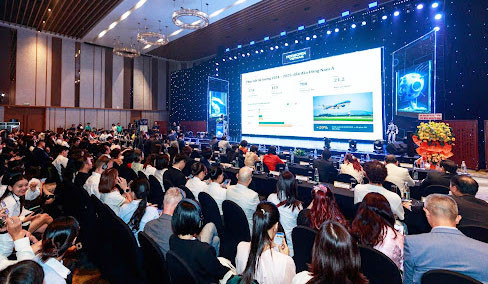
For instance, Horecfex Vietnam 2026 provided a platform to connect tourism businesses, technology providers, experts, investors and future workers, helping professionals identify the skills they need to develop.
Most recently, at a seminar titled “Smart Tourism and Hospitality: The Role of IoT and Digital Technology in Sustainable Tourism Transformation - Perspectives from the SOHO Project” hosted by the University of Da Nang, tourism businesses and students majoring in international tourism and hospitality management were updated on industry trends and new professional requirements.
Developing the tourism workforce is therefore not merely a solution to meet immediate recruitment needs, but also a strategic priority to enhance the quality of visitor experiences, thereby strengthening competitiveness and promoting sustainable tourism development in Da Nang in the new period.