

.jpg "Yeongam, Da Nang eye stronger cultural, tourism ties")
Gửi bình luận
DNO - Central Vietnam is entering a new phase of tourism development, with cultural identity, quality experiences and creative products becoming increasingly important to the region’s competitiveness.
Central Vietnam’s natural landscapes and rich cultural heritage provide a strong foundation for this transition.
Da Nang, Khanh Hoa and Hue are all seeking to develop tourism products with greater depth and added value, in line with the direction set out in Politburo Resolution No. 26-NQ/TW on developing tourism into a spearhead economic sector.
The resolution calls for a shift from quantity-driven growth towards quality, sustainability, innovation, and higher economic value. It identifies Da Nang, Ha Noi and Ho Chi Minh City as the country’s three tourism growth poles by 2030.
For Da Nang, the new direction builds on an already expanding tourism ecosystem. The city has maintained strong growth in recent years and continues to broaden its international connectivity.
According to the Da Nang Department of Culture, Sports and Tourism, the city has 20 international and seven domestic air routes, with four additional routes under development.
Average daily flight frequency is estimated at 148 services, higher than in 2025. The city also has a substantial tourism services network, including 716 travel companies, more than 6,900 tour guides and over 2,400 accommodation establishments with more than 66,700 rooms.
Of these, 163 properties meet four- or five-star standards, accounting for 30,816 rooms. The next step is to make the destination more valuable, rather than simply larger.
Da Nang is developing high-end and luxury tourism products built around its beaches, mountains, local culture, shopping, and experiential services.
New projects and products are expected to further shift the tourism model towards visitors seeking higher-quality experiences and greater spending.
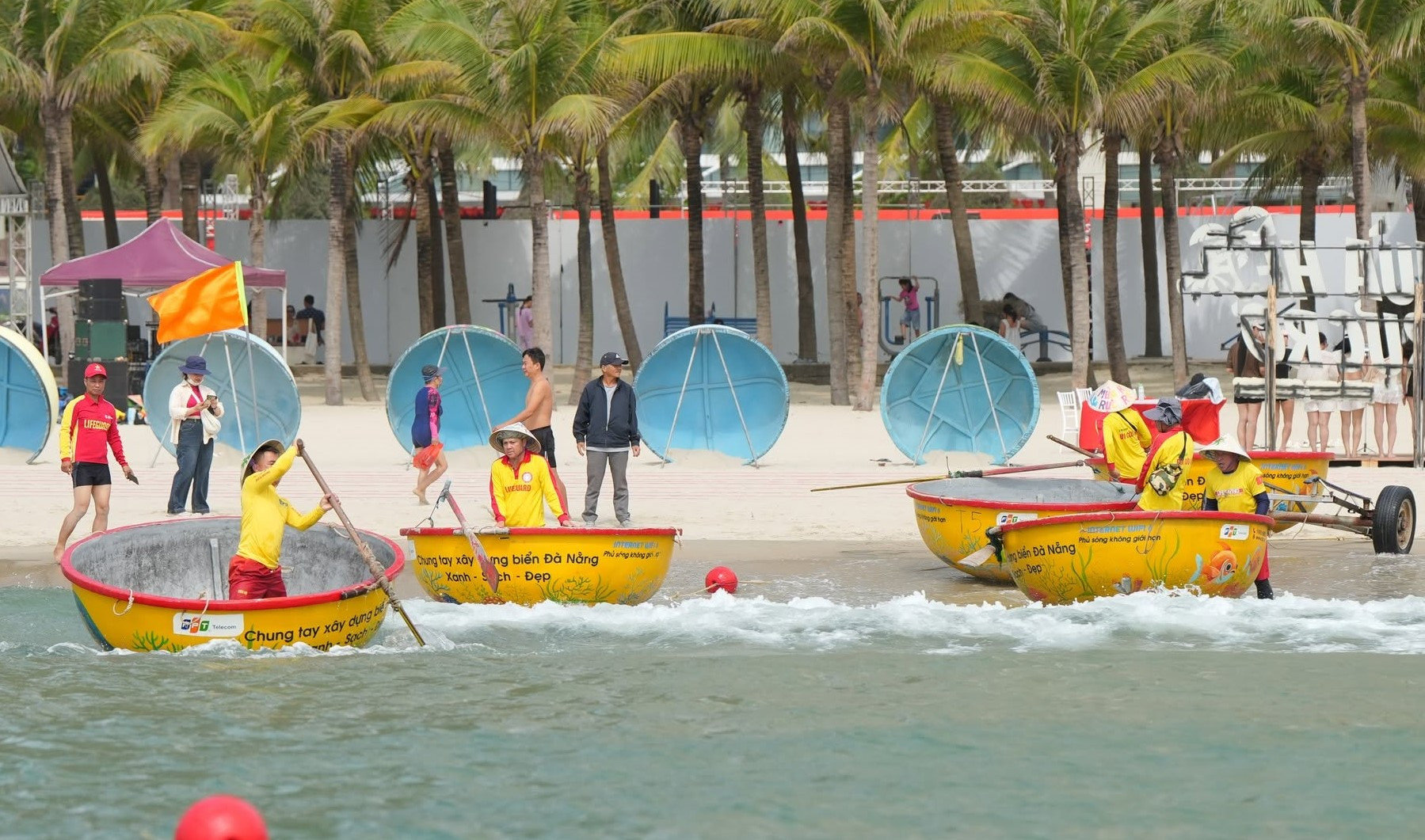
Khanh Hoa demonstrates another dimension of this transformation. With an extensive coastline, more than 200 islands and archipelagos, and major bays including Van Phong, Nha Trang, Cam Ranh and Vinh Hy, the province has strong potential for premium beach and cruise tourism.
Its Cham heritage adds another layer. Historic towers, festivals and indigenous cultural traditions provide material for distinctive tourism products aimed at higher-value segments.
Meanwhile, Hue takes an even more heritage-centred approach. Its dense system of monuments, architecture and natural landscapes provides a foundation for cultural products with greater depth.
Mr Hoang Viet Trung, Director of the Hue Monuments Conservation Centre, describes heritage and culture as the foundation, quality experiences, creativity and technology as the means, and cooperation among government, businesses, and communities as the driving force.
That approach is increasingly visible in Hue through cultural programmes, heritage experiences, night-time activities within the Imperial City and digital tools for presenting historic sites. Technology is being used to help visitors understand heritage more deeply rather than simply adding visual effects.
Partnerships with businesses, artists, creators, and local communities are also bringing heritage into music, film, performing arts, fashion, digital technology, and the night-time economy.
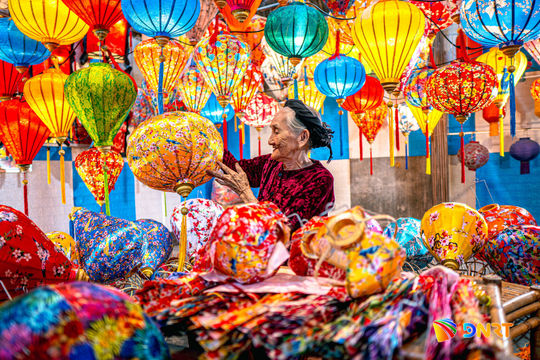
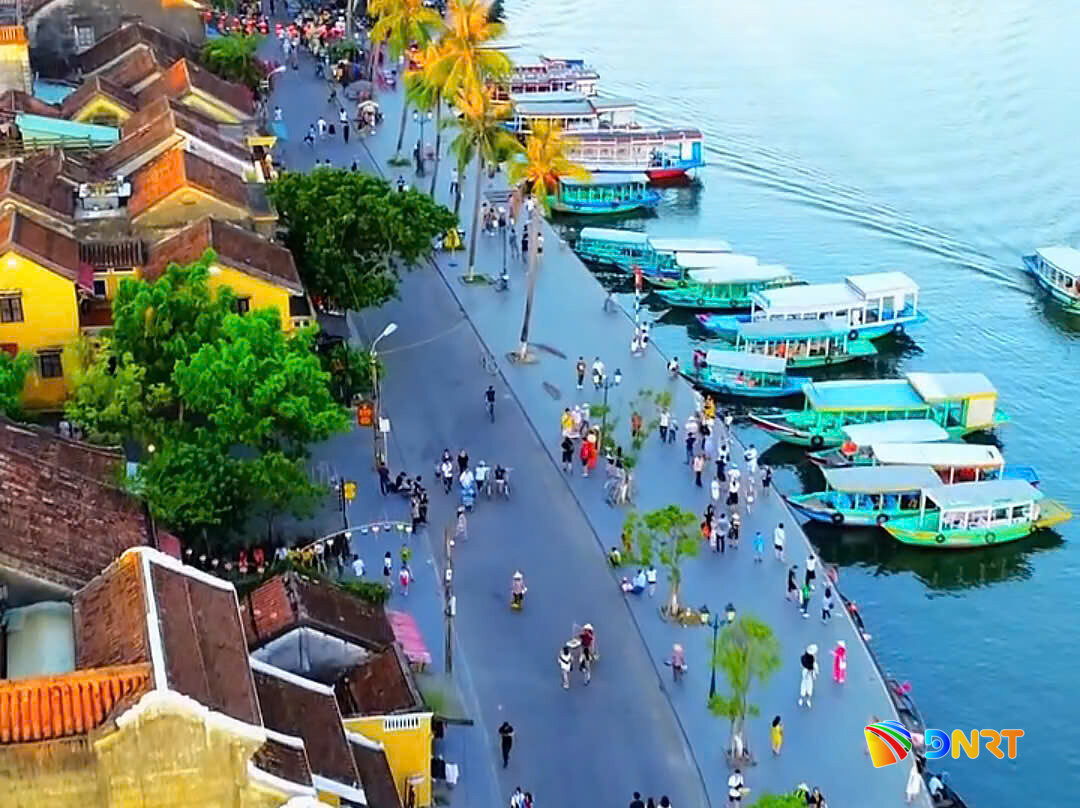
The same principle can be seen in Hoi An, where traditional culture has been combined with new experiences. As a UNESCO Creative City, the ancient town has developed a diverse tourism ecosystem around heritage sites, local communities, crafts, agriculture, beaches, and creative activities.
The Hoi An Memories show has become one of Vietnam’s prominent cultural tourism products after eight years of operation. Its continued appeal reflects an approach that combines cultural storytelling, professional production, and an integrated visitor experience.
Than Thi Thu Huyen, Executive Director of Hoi An Memories Island, attributes the show’s appeal to three elements: creative approaches to culture, continuous innovation, international-standard investment and a tourism model built around a broader experience ecosystem.
Stories about Hoi An are transformed into multisensory experiences and continuously refreshed through modern stage technology. Culture therefore becomes something visitors can experience rather than simply observe. This direction is closely aligned with the national tourism strategy.
Vietnam welcomed nearly 15.9 million international visitors in the first eight months of 2026, up 14.4% year on year. The challenge now is to translate this growth into stronger products, longer stays, higher spending and greater value for local communities.
For Da Nang, the opportunity is particularly significant. Its connectivity, accommodation capacity, natural assets and expanding premium tourism sector provide a strong base. Its cultural links with Hoi An, My Son and the wider Central Vietnamese heritage landscape add another layer of differentiation.
Resolution No. 26-NQ/TW is opening up a new strategic vision for Vietnam’s tourism sector while setting higher expectations for local authorities and tourism businesses to adopt new approaches, generate greater added value and make tourism a stronger driver of economic growth.