
.jpg "Hoi An’s Thanh Ha Pottery Village among best community tourism spots in Vietnam")

Gửi bình luận
DNO - Clean, organic farming associated with traceability is an inevitable trend to increase agricultural product value and strengthen consumer confidence.
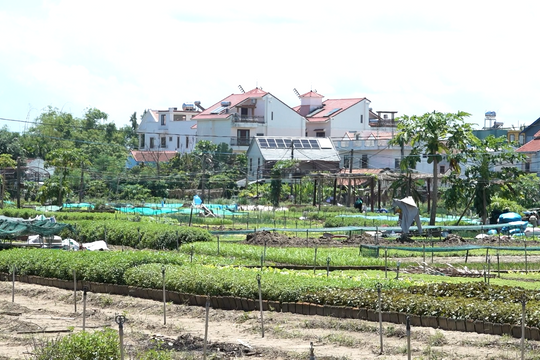
At the An Farm Hoi An, an organic farming model founded by Master’s holder Le Pham Thien Hang majoring in Food Technology, is drawing much attention from both domestic and international tourists and consumers.
On an area of 3,000 m², various vegetables, herbs and medicinal plants such as dandelion, lemongrass, ginger, yellow and black turmeric are grown using eco-friendly methods without using chemicals, industrial fertilizers or preservatives. Cow dung, duckweed and earthworms are the main sources of nutrients to help plants grow naturally and safely.
What sets the An Farm Hoi An apart is its commitment to traceability. Each product from herbal tea and turmeric powder to ginger powder has a QR code on its packaging. Consumers can scan the code to access detailed information about the entire processing and packaging process. This transparency not only builds consumer confidence but also creates a competitive edge in an increasingly demanding agricultural market.
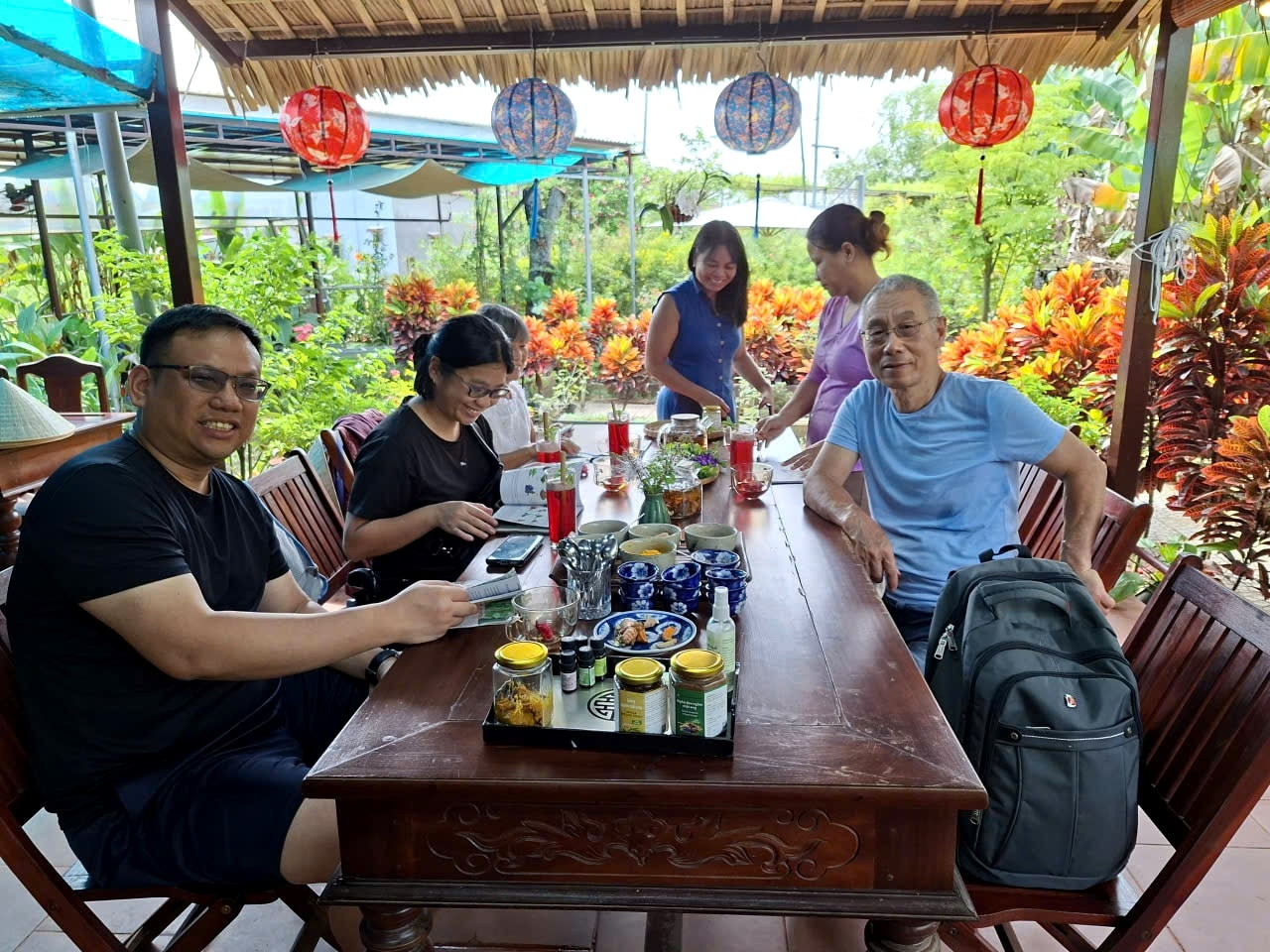
In addition to production, the An Farm Hoi An has developed an experiential tourism model, welcoming tourists to visit, harvest and take part in product-making experiences.
Many international tourists shared that the “one-day farmer” experience brought a feeling of closeness, authenticity and memorability - something that is hard to find in other tourist destinations.
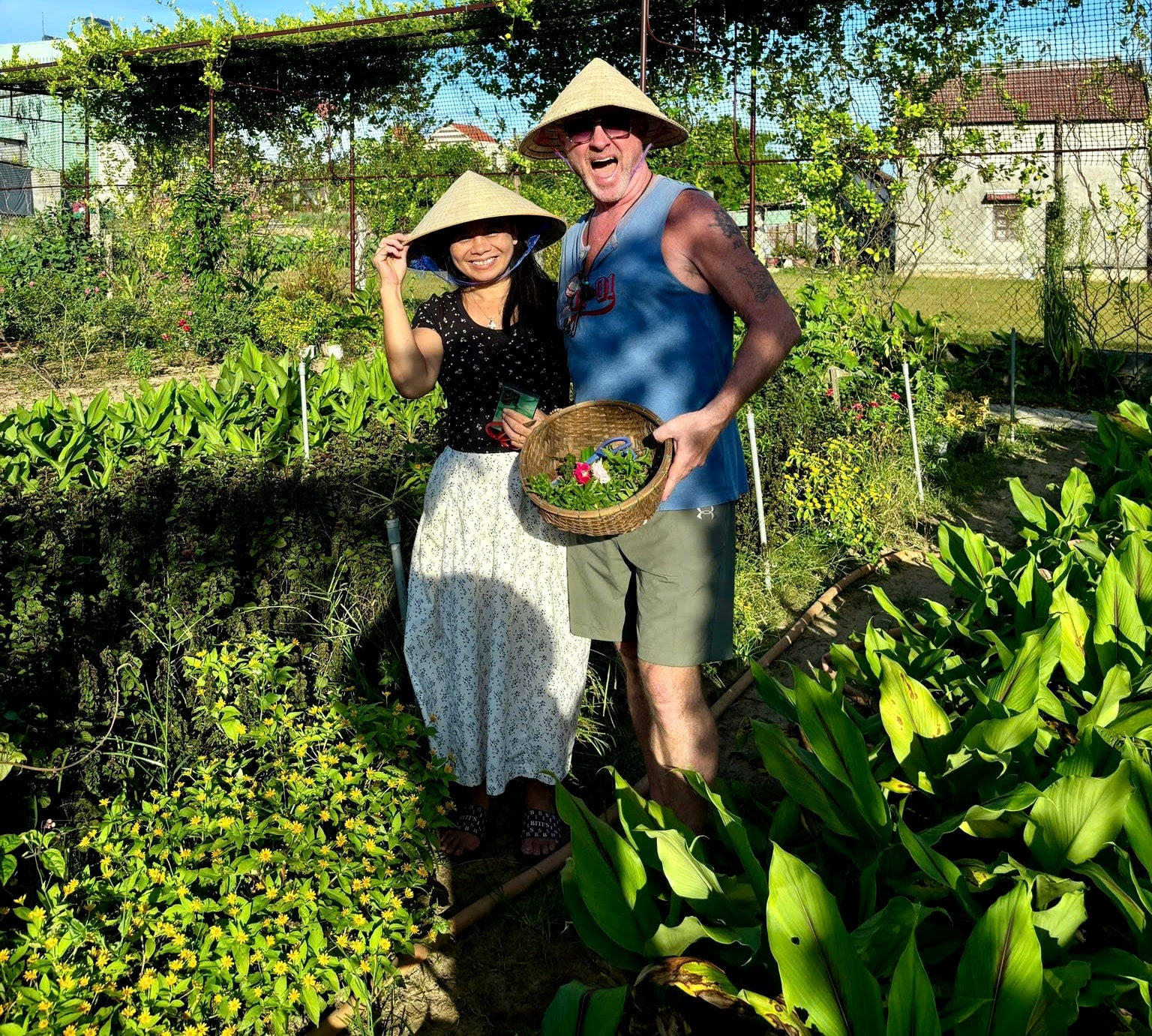
“I have had the chance to experience rural and agricultural tourism in many countries around the world, but nowhere has brought me as much enjoyment as the An Farm Hoi An”, said Mrs. Madolline Gourley, a visitor from Australia.
She added that she planned to incorporate herbs and medicinal plants into cooking, tea, cosmetics, spices, and essential oils to improve the health and well-being of herself and her family.
Mr. Nguyen Xuan Vu, Deputy Director of the Da Nang Department of Agriculture and Rural Development said “When the origin of products is transparent, consumers feel more secure, and businesses have the opportunity to enhance value, expand the market and increase competitiveness”.
However, the implementation of the traceability system still faces many challenges from technological infrastructure and the awareness of producers and consumers to the connection between production, processing and consumption.
A synchronized effort from all levels, sectors, and enterprises is essential to build a transparent and sustainable agricultural value chain.