
Gửi bình luận
DNO - For travelers seeking experiences that connect culture with wellbeing, Da Nang offers a compelling story waiting to be explored.
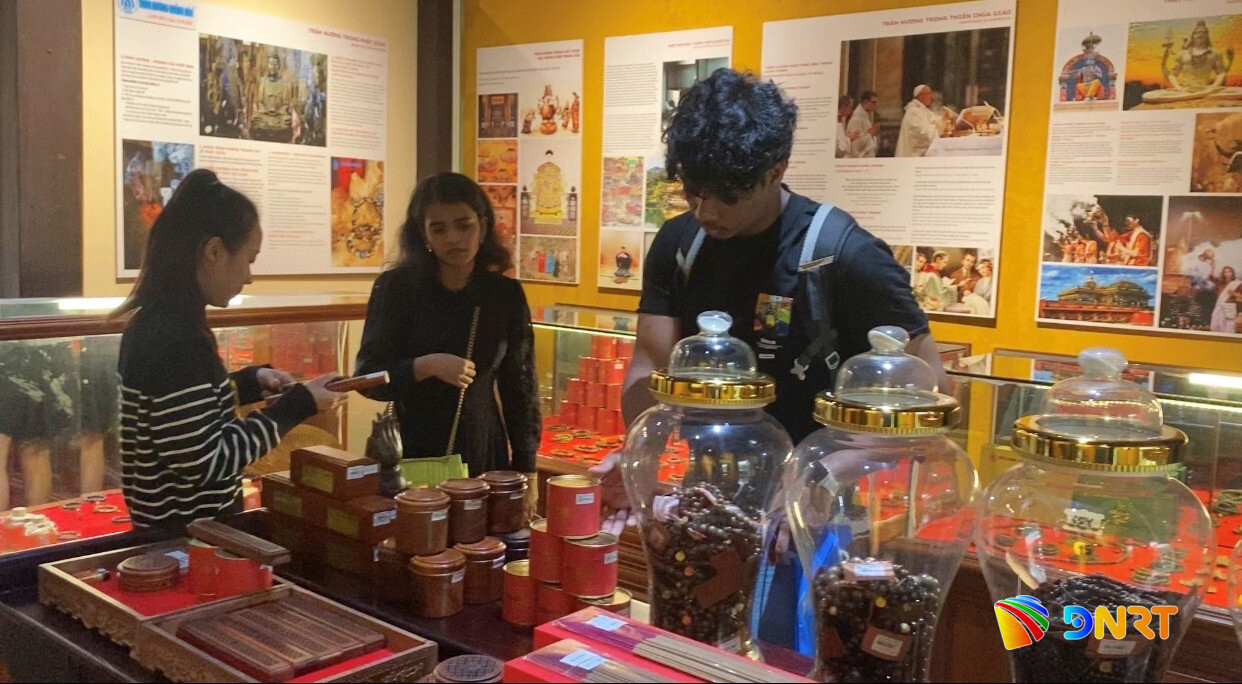
Along with its celebrated beaches and heritage sites, the city is home to generations of traditional medical knowledge, historic herbal pharmacies and rich natural resources that could inspire a unique form of wellness tourism.
In Hoi An Ancient Town, this journey begins with the heritage of traditional medicine. The Hoi An Traditional Medicine Museum, located at 46 Nguyen Thai Hoc Street, opened in March 2019.
Set within a traditional wooden house, it displays more than 200 artefacts and documents, recreating the atmosphere of an old herbal pharmacy.
Visitors can discover how practitioners once examined patients, diagnosed illnesses, prepared prescriptions and dried or stored medicinal herbs.
The exhibits also introduce traditional medical knowledge, offering insight into a profession closely woven into the everyday life of the historic trading port. Yet this heritage has the potential to become more than a museum experience.
Lê Quoc Viet, General Director of Hoteljob.vn and Vice Chairman of the Da Nang Tourism Association, has proposed developing a traditional medicine tourism model known as “Hoi An Nam Y Pho” (Hoi An Traditional Wellness Quarter).
The concept could bring together professional consultations and therapies within permitted medical practice, herbal products, traditional medicine demonstrations, medicinal plant discovery and wellness-oriented cuisine.
Potential locations include Phan Boi Chau and Phan Chu Trinh streets, the area around Hai Thuong Lan Ong Street and the vicinity of Hoi An Hospital.
Hoi An’s history provides a rich foundation for such an experience. Once a thriving international trading port, the town was connected to the trade of medicinal products such as Tra My cinnamon, agarwood and bird’s nest from Cu Lao Cham (Cham Islands).
Traces of this heritage remain in historic houses, including Diep Dong Nguyen and Duc An, offering visitors glimpses of the town’s traditional medical culture. The journey could then continue from the ancient town into Da Nang’s western mountains, where nature holds another treasure.
The city is home to more than 1,200 medicinal plant species, including 36 listed in Vietnam’s Red Data Book, creating opportunities to connect local herbal knowledge with nature-based experiences.
Proposed activities include visiting medicinal gardens, learning about herbs, preparing traditional herbal products, making fragrant sachets, and discovering local ingredients through food and drink.
QR codes could provide information on the origin, cultivation, and production of herbal products, while a digital map could connect pharmacies, gardens, and experiential destinations.
Travel companies and resorts could incorporate these experiences into their itineraries, with mountainous cooperatives supplying locally sourced ingredients.
Partnerships with medical and pharmaceutical universities could help strengthen professional expertise and service quality. The Ministry of Health’s draft medical tourism development plan for 2026 - 2030 has proposed Da Nang as one of eight key destinations.
In 2026 - 2027, the city could explore pilot initiatives and connect traditional medicine tourism with the Da Nang International Ngoc Linh Ginseng and Medicinal Herbs Festival.
By bringing together the healing wisdom of the past, the richness of local landscapes and the warmth of community life, Da Nang has the potential to offer travelers a more meaningful way to experience the destination.
Visitors can discover its cultural heritage and natural beauty while exploring the traditions of wellbeing that have shaped local life for generations.