
Gửi bình luận
DNO - Da Nang museums are implementing digitalization initiatives to introduce their destinations and preserve artifacts. These efforts include integrating artificial intelligence (AI) into heritage education and leveraging social and digitizing artifacts using 2D and 3D technologies. This contributes to the preservation of heritage while making it closer to the public.
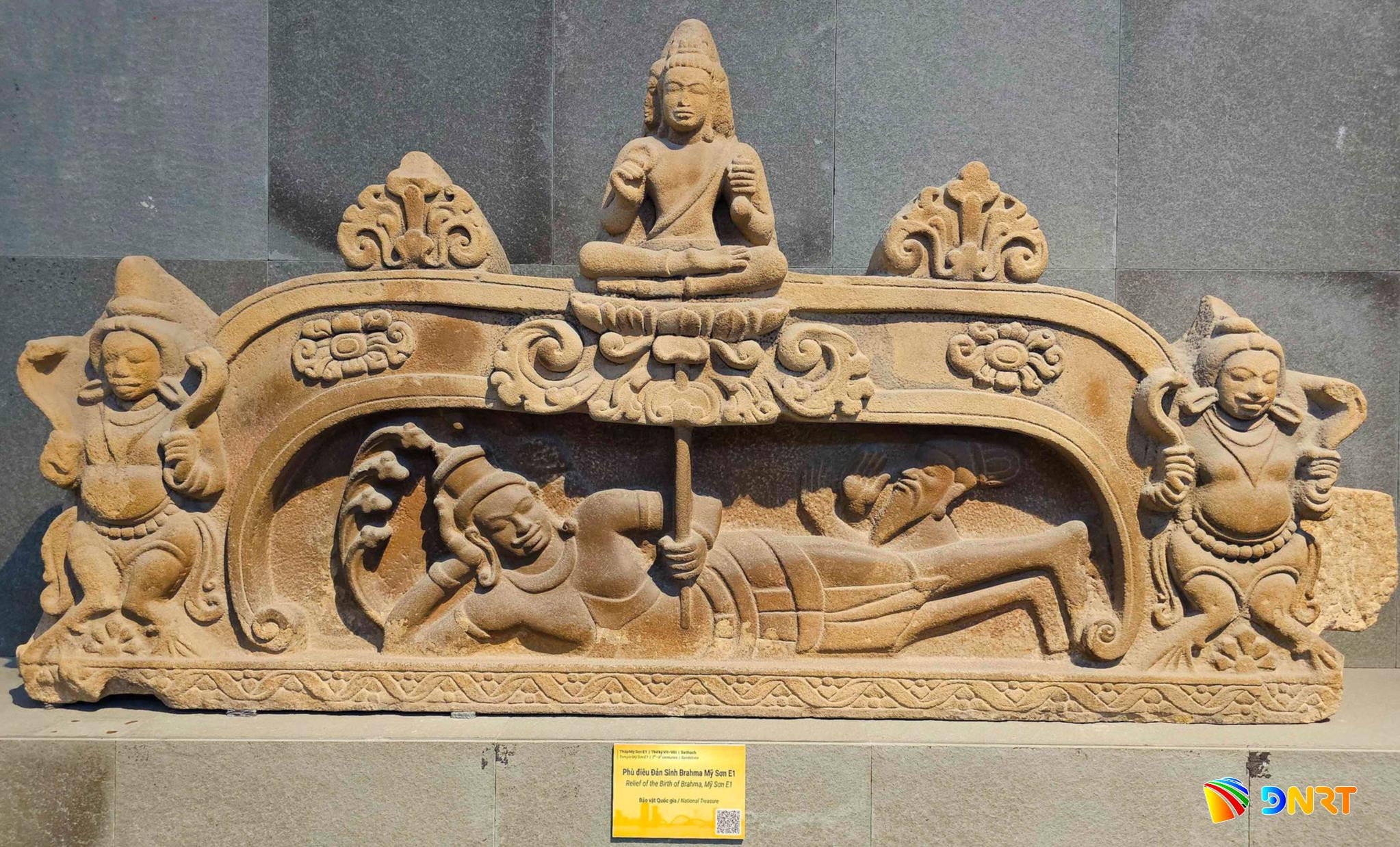
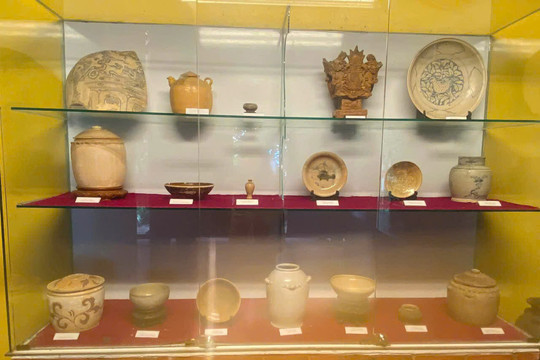
The Da Nang Museum of Cham Sculpture, nestled along the banks of the Han River, houses and displays a large-scale and unique collection of the ancient Champa Kingdom’s sculptures. The museum currently holds nearly 2,000 artifacts, with nearly 500 representative pieces on permanent display.
Most of the artifacts are crafted from sandstone, alongside some in bronze and terracotta, dating back between the 7th and the 15th centuries. At present, the museum preserves, exhibits, and showcases 12 Vietnamese national treasures.
They included the Tra Kieu altar, the Tra Kieu Apsara relief, the My Son E1 altar, the statue of Ganesha, the My Son E1 Birth of Brahma relief, the My Son C1 statue of Shiva, the Dong Duong altar, the statue of Bodhisattva Tara, the statue of Gajasimha, the Thap Mam dragon statue, the Phong Le relief of Shiva dancing, and the Chanh Lo relief of Uma.
Every touch, simple tap or click in the museum’s digital space does more than just information search; it opens a gateway to a unique and comprehensive exploration of Cham culture.
Applying technology in cultural and heritage exploration, including 3D tours, multilingual audio guides, QR codes, and the integration of AI, paves the way for visitors to discover and gain a deeper understanding of the distinctive values of the Champa civilization.
Currently, the museum keeps and provides over 80 digitalized contents for displays, available in Vietnamese, English, and French.
Notably, the Da Nang Museum of Cham Sculpture became the first museum in Vietnam to be featured on the Google Arts & Culture platform in 2011, helping to bring its collections and Cham cultural heritage to a wider international audience.
To date, the museum has fully digitized the data records for 2,569 artifacts into the national digital resource platform for the cultural sector.
Furthermore, the museum has collaborated with the Management Board of the My Son World Cultural Heritage Site to create 3D digital models of 32 artifacts. Among them are four Vietnamese national treasures: the My Son E1 Altar, the statue of Ganesha, the statue of Shiva from My Son C1, and the relief depicting the Birth of Brahma.
Recently, the museum has focused on digitization and the development of a multi-platform communication, encompassing its website and social media channels such as Facebook, TikTok, and YouTube, via short-form videos to bring the stories behind these artifacts and the Champa culture closer to the public.
The Da Nang Museum of Cham Sculpture is preparing an investment proposal for a project titled “AI-Integrated System for Inventory, Preservation, and Restoration of Artifacts.”
This initiative aims to enhance the application of technology in the management and preservation of its artifacts by utilizing smart devices for environmental monitoring, such as temperature, humidity, and lighting, which are connected to centralized management software. This contributes to enchancing effective long-term conservation.
Alongside, RFID technology will be implemented to assist in inventory management and the tracking of the movement history of artifacts.
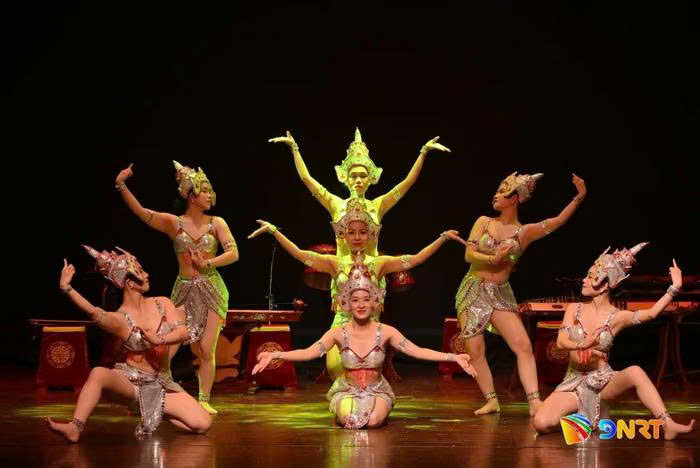
Director of the Da Nang Museum of Cham Sculpture Le Thi Thu Trang stated that beyond digitization, the department is developing a “smart museum” model. At first, the museum is focusing on the 2D and 3D digitization of its artifacts, including its 12 as Vietnamese national treasures.
The museum plans to create digital exhibition and cultural experience spaces on an online platform, allowing the public to access and explore heritage in a fresh, vivid, and engaging manner.
Museums in Da Nang in general are also innovating their exhibition spaces to increase interactivity, personalize the visitor experience, and cater to the diverse needs of both domestic and international guests.
Alongside digitizing artifacts and sites, Da Nang museums are leveraging technology for intelligent data storage. This enables them to better understand visitor’s requirements and to convey heritage in a lively and compelling way, ultimately attracting a larger number of visitors, particularly from abroad.
Digital transformation is more than just the application of technology; it is a journey toward innovating how heritage is preserved, how its value is promoted, and how it is connected with the community.
The Da Nang museums plan to create digital exhibition and cultural experience spaces on an online platform, allowing the public to access and explore heritage in a fresh, vivid, and engaging manner.
Museums in Da Nang are also innovating their exhibition spaces to increase interactivity, personalize the visitor experience, and cater to the diverse needs of both domestic and international guests.