
.jpg "Hoi An’s feather paintings turn simple materials into cultural art")

.png "Various festivals and cultural events to enliven Da Nang during Reunification Day and International Workers' Day holiday")
.jpg "Da Nang launches “Ao dai” Festival 2026 along Han River")
Gửi bình luận
DNO - No longer a communication method exclusive to the deaf community, sign language is increasingly finding its way into everyday interactions, helping bridge communication gaps and promote the social inclusion of people with disabilities.
From the first signs…
In recent years, many businesses have actively worked to build inclusive workplaces. The purpose is to not only create job opportunities but also ensure that employees with disabilities can enjoy meaningful professional experiences.
At The Hangart Da Nang, this model is being brought to life through a supportive working environment for young people with hearing and visual impairments.
Staff at the café have taken the initiative to learn sign language to better communicate and collaborate with their hearing-impaired colleagues.
Ms. Truong Thi Khanh Hoa, an employee at The Hangart Da Nang, said “Learning sign language helps us communicate and coordinate better with our hearing-impaired colleagues. Beyond work, it is also a way to show care and prevent them from feeling isolated”.
Simple hand signs such as “hot”, “ice”, “less sugar” and “thank you” are printed on small boards placed at the counter, serving as a unique bridge between staff and customers.
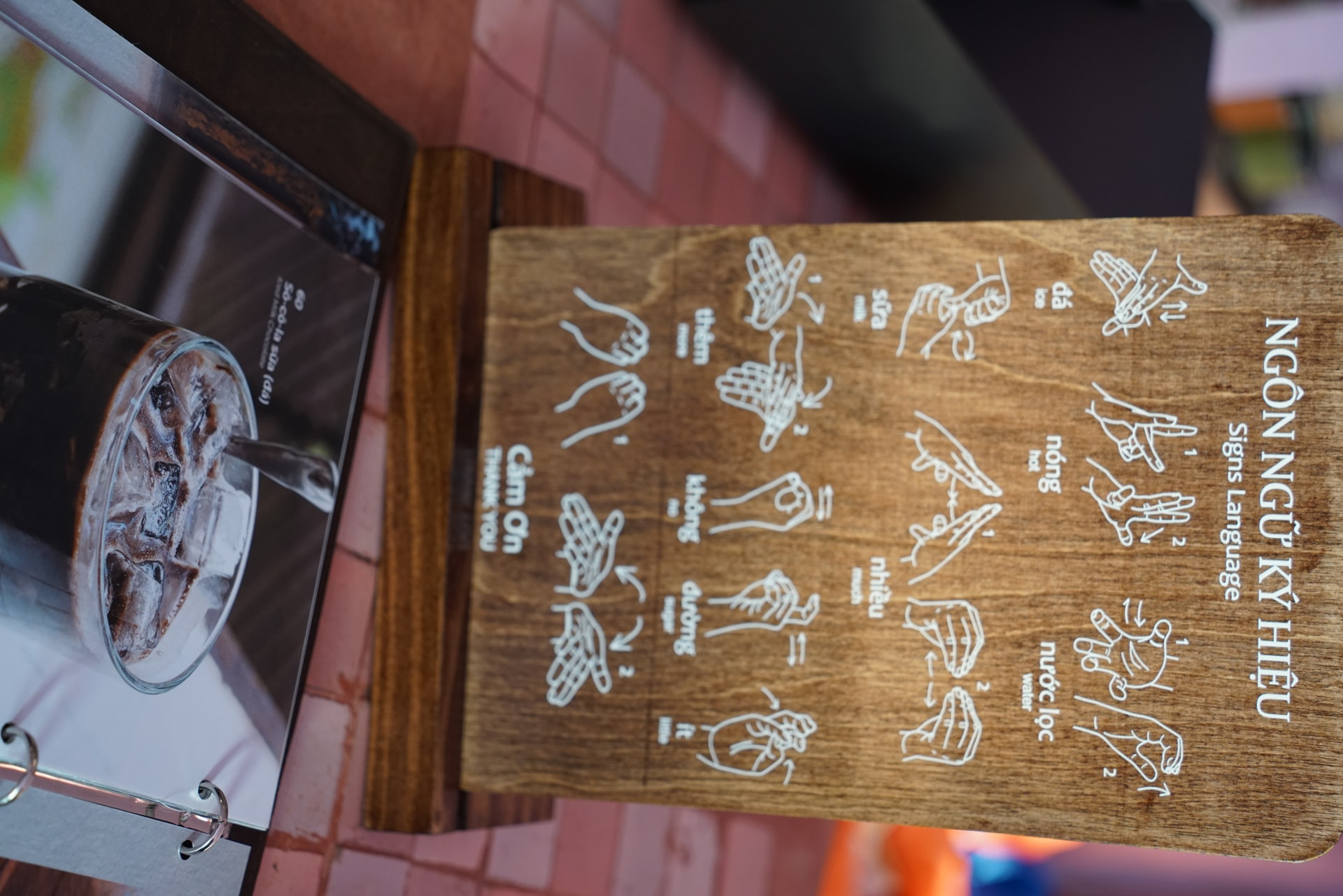
At first, many customers feel unsure and awkward trying them out, but they quickly become engaged as they receive understanding and warm smiles in return.
These seemingly small interactions mark the beginning of deeper connections between the broader community and people with hearing impairments.
...to “special” class
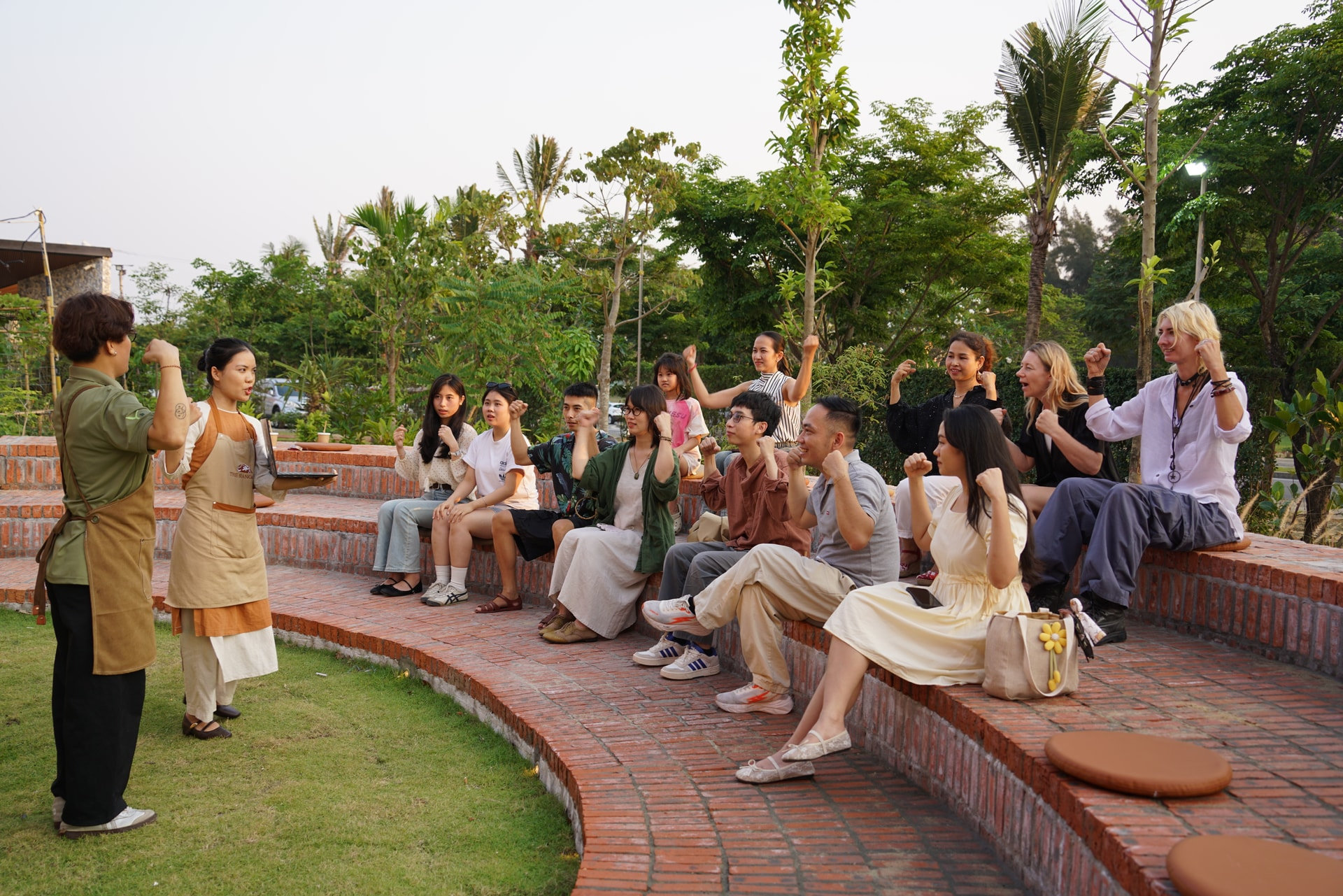
In response to growing demand, The Hangart Da Nang has opened sign language classes right at the café.
Held regularly on Saturday and Sunday afternoons, the classes attract participants from various backgrounds, especially young people.
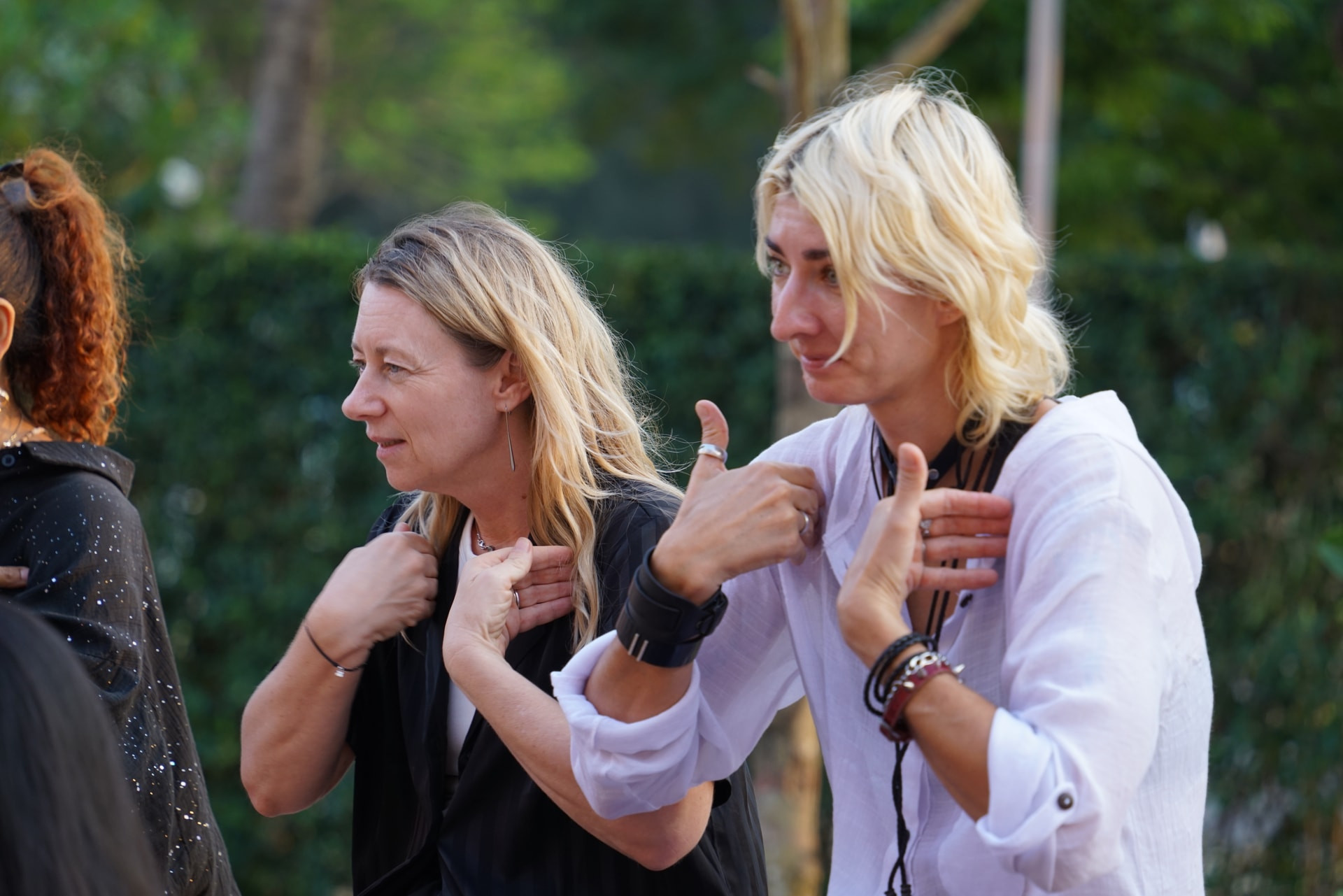
In these classes, participants are guided through basic skills such as greetings, expressing emotions, and self-introduction.
For many, it is not only an opportunity to learn a new "language" but also a way to proactively connect with the deaf community, something they previously found challenging due to communication barriers.
In addition, many families bring their children to experience the classes or seek a structured learning environment to better support hearing-impaired relatives.
As the instructor, Ms. Nguyen Thi Lan Anh, a hearing-impaired staff member at The Hangart Da Nang, expressed her joy at seeing the increasing number of people proactively learning and practicing sign language.
According to her, as more people become familiar with sign language, those with hearing impairments gain greater confidence in communication, opening up more opportunities to integrate and assert themselves in society.
It is clear that as sign language becomes more widely learned and used, communication barriers are gradually being removed, paving the way for greater participation and inclusion of people with hearing impairments in social life.