.jpg "60 Myanmar travel agencies survey Da Nang’s tourism products")
Gửi bình luận
DNO - Foreign visitors are beginning to discover peaceful gardens, traditional food and the warm hospitality of rural communities in Da Nang.
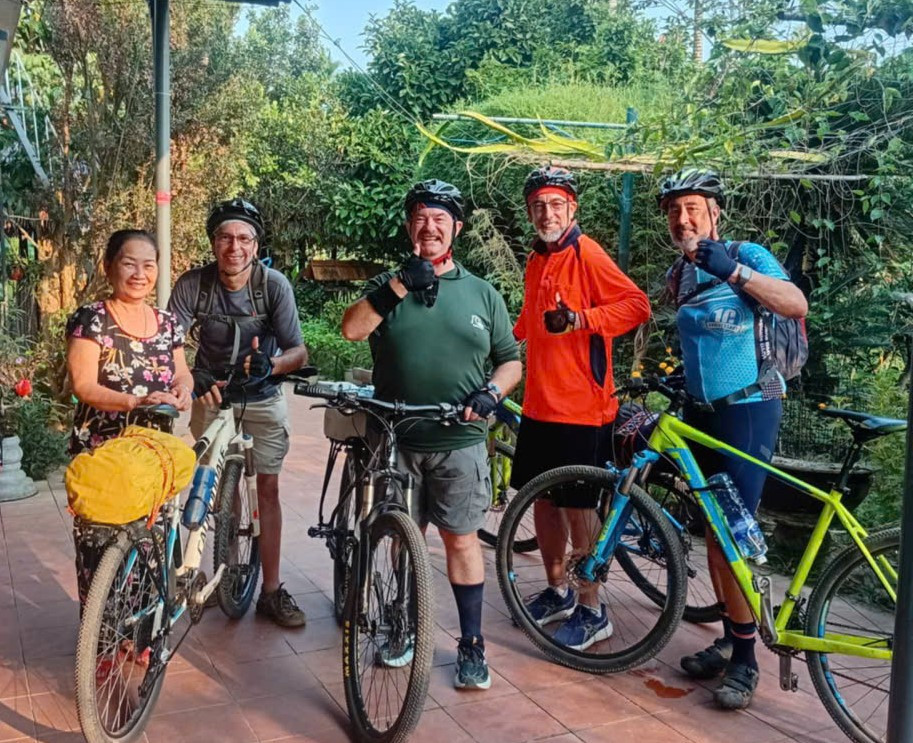
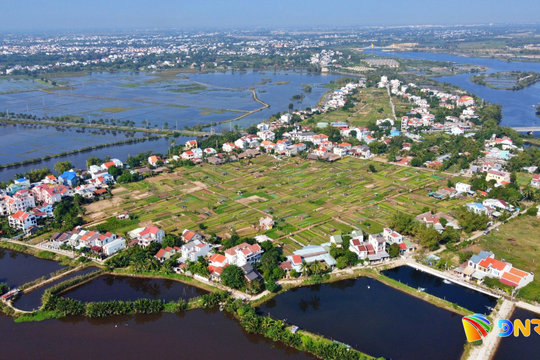
One of the emerging destinations is Thai Chan Son Village in Thuong Duc Commune, Da Nang, nestled along the fertile Kon River.
The village has long been known for its agricultural products, but 2026 marks a new chapter as it welcomes its first groups of domestic and international visitors, including tourists from Russia.
For these visitors, the attraction is not a conventional sightseeing landmark. It is the opportunity to experience a living countryside by walking through fruit gardens, observing local farming practices and discovering how agricultural products are connected to the daily lives of residents.
Thai Chan Son benefits from fertile alluvial soil and favourable conditions for growing fruit. Around 70 households cultivate orchards, many covering more than 1,000 square meters. The local community is now looking to turn this agricultural strength into a new tourism product.
During the 2026 - 2030 period, the commune plans to develop experiential garden models, including medicinal herb gardens, pick-your-own fruit gardens, agroforestry sites combined with camping and trekking.
Local products such as pineapple, mushrooms, essential oils and dried fruit could also become part of the visitor experience. Further downstream, Dai Binh Village offers a more established example of orchard-based tourism.
Located beside the Thu Bon River, the village is known for its lush landscape and diverse tropical fruits, including pomelos, mandarins, mangosteens, durians, jackfruit, guava and longan.
Since 2017, Dai Binh has attracted increasing numbers of visitors through organized tours. Its appeal lies in the simple pleasures of rural life.
Travellers can walk beneath trees heavy with fruit, pick fresh produce directly from the gardens and enjoy traditional local dishes prepared by residents.
The experience can continue after sunset. Several garden households and homestays welcome visitors overnight, allowing them to enjoy a slower pace of travel.
At the nearly 7,000-square-meter garden of farmer Nguyen Quang Soan, visitors can explore the orchard, relax in hammocks, camp among the trees, cycle around the village and taste homemade food.
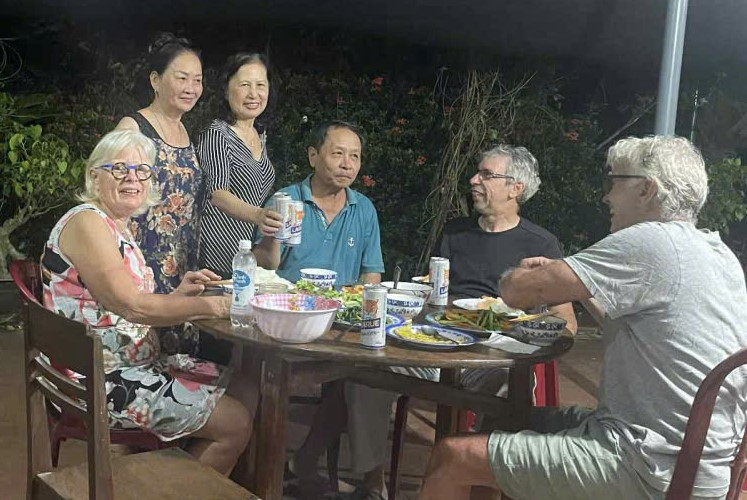
Other homestays can accommodate overnight visitors, creating opportunities for closer interaction between travelers and local families.
Mr. Ngo Phi Hoa’s garden covers more than 1,200 sq. m, while the “Chi Hy” homestay, run by Phan Thi Hy and Tran Kim Hung, can accommodate 10-15 overnight guests.
Mr. Ngo Phi Hoa’s garden covers more than 1,200 sq. m, while the “Chi Hy” homestay, run by Phan Thi Hy and Tran Kim Hung, can accommodate 10-15 overnight guests.
Dai Binh is also being positioned as a hub connecting visitors with nearby attractions, including Tay Vien hot springs.
This network gives travellers more reasons to stay longer and explore the countryside at a relaxed pace.
The growing presence of international visitors reflects a broader shift in travel preferences. Increasingly, travellers are looking for meaningful experiences rather than simply checking destinations off a list.
They want to meet local people, taste regional food, understand traditional livelihoods and spend time in natural surroundings.
For Quang, its orchard villages offer precisely that opportunity.
Green tourism here is about turning existing landscapes, agricultural knowledge and community life into experiences visitors can genuinely connect with.
As more international travelers discover Thai Chan Son and Dai Binh, these quiet riverside villages are gradually becoming new destinations on the map of Central Vietnam.
These are places where a journey can be measured not by how many attractions are visited, but by how deeply travellers experience the land, the people and the rhythm of rural life.