
.jpg "Vietnam tourism gains ground in digital space")
Gửi bình luận
DNO - The operation of a national digital cultural data repository by 2027 has been proposed, accompanied by efforts to standardize, connect, and build cultural infrastructure at the local level.
The Vietnamese Ministry of Culture, Sports and Tourism, in September 2026, announced the implementation plan for Government Decree No. 277/2026/NĐ-CP regarding digital cultural infrastructure for the 2026–2027 period.
Accordingly, an initial version of the National Digital Cultural Data Repository will be established and put into operation in 2027, while the API testing portal to connect this repository with the national integration platform, national data exchange platform, and national data portal will be developed.
Digital data from heritage
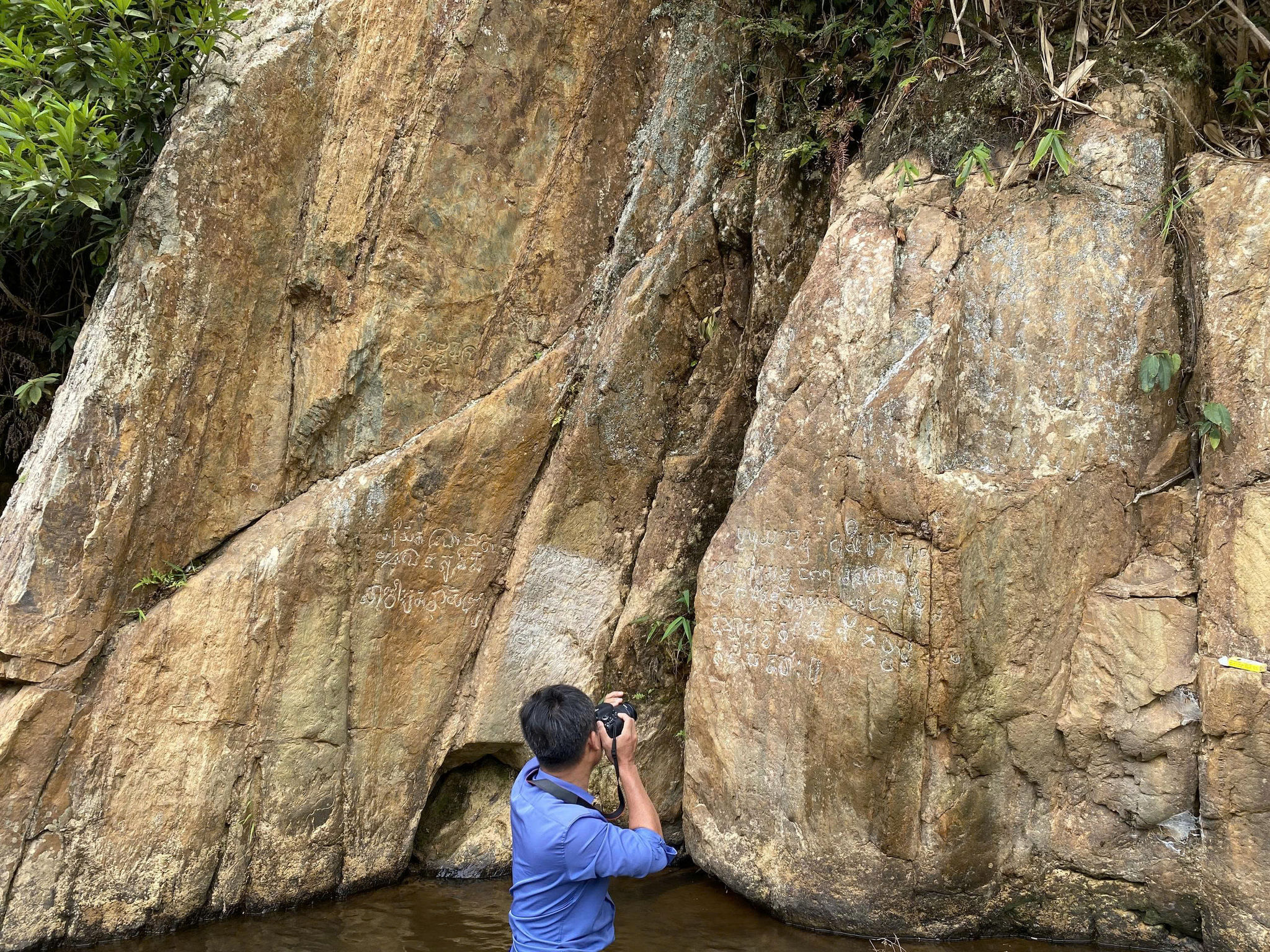
At the My Son Sanctuary (Da Nang City), digital technology is increasingly demanding high precision from conservationists. Through methods ranging from 3D laser scanning, flycam, and LiDAR to photogrammetry, various data layers are creating an increasingly comprehensive "digital twin" of the heritage site.
Until now, most of the temple-tower structures with approximately 200 key artefacts at My Son have been digitised and 3D-scanned. Particularly, experts from the University of Warsaw (Poland) collaborated with the My Son World Cultural Heritage Management Board using LiDAR technology to survey the site in April 2024. This helped identify archaeological traces and ruins covered by forest vegetation, as well as changes in the terrain.
Director of the My Son Cultural Heritage Management Board, Nguyen Cong Khiet, noted that digital data enables conservationists to monitor architectural deformation, identify component structures, and simulate intervention plans; furthermore, this data can serve as a scientific basis for reconstruction as its structures are damaged by natural disasters or time.
Meanwhile, Hoi An is home to over 1,360 heritage sites and landscapes, with its Ancient Town alone including about 1,155 relic structures. The Hoi An Center for Cultural Heritage Conservation announced that it has digitized records for 1,345 heritage sites and houses within the Ancient Town.
This digitization plays a significant role in building an electronic database to support local heritage conservation and management while paving the way for data connectivity and sharing.
Da Nang’s museums also began their digitization and digital technology several years ago, bringing heritage into the digital space. By using QR codes, automated audio guides, and online platforms to expand access to artifacts, these museums have successfully attracted more visitors. In particular, the Da Nang Museum of Cham Sculpture became the first of its kind in Vietnam to be introduced on Google Arts & Culture in 2021.
Da Nang's Hai Van Ward launched VR360 technology for cultural and historical sites in mid-May 2026. Earlier, Ban Thach Ward introduced VR360 technology to showcase and manage sites such as the Van Thanh Confucius Temple, Ky Anh Tunnels…
Connecting to the national data repository
Under the Ministry of Culture, Sports, and Tourism's plan, the national data repository is built with a hybrid model: centralization and distribution. It aims to integrate data into various fields of culture, family, sports, and tourism.
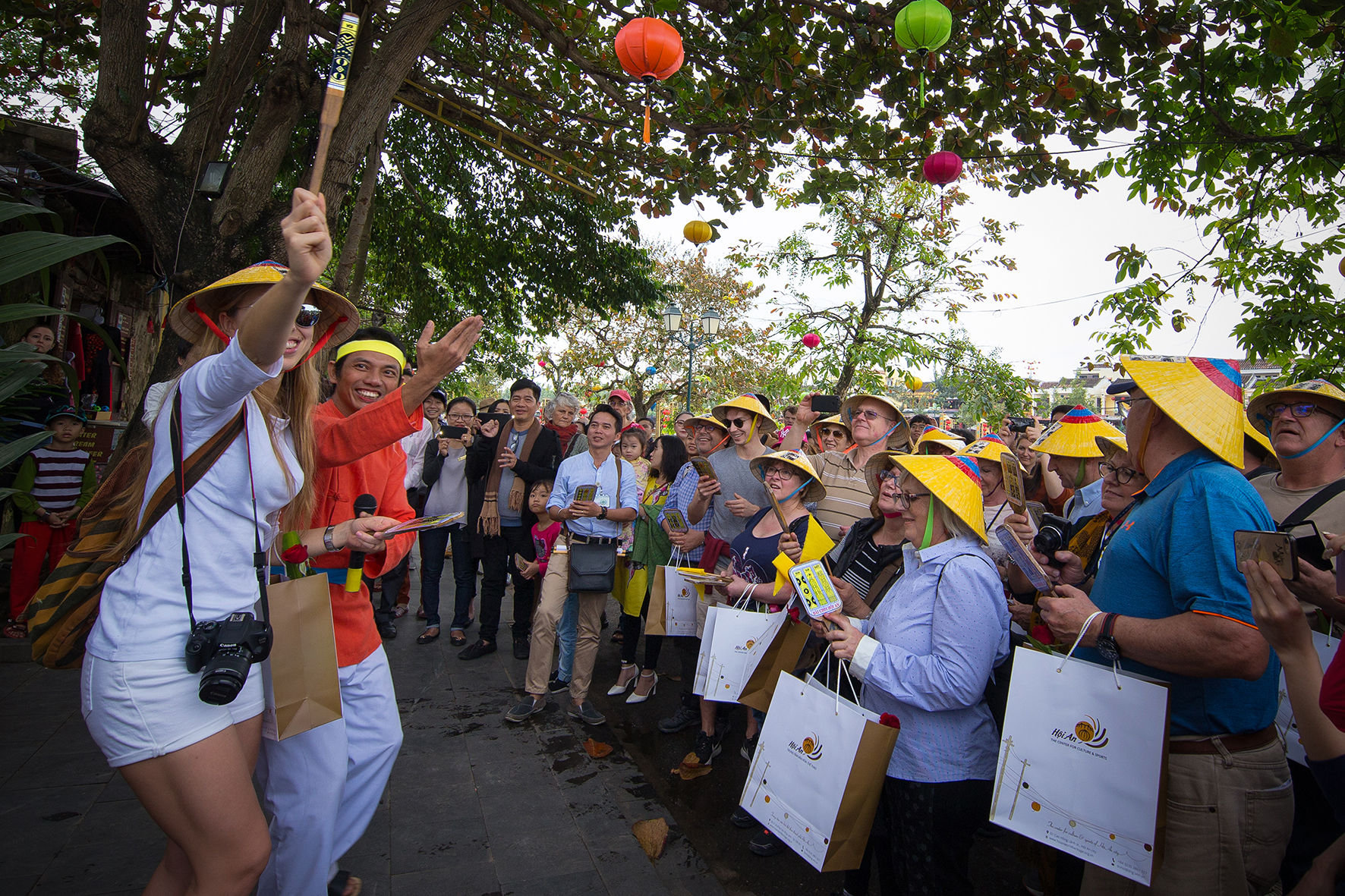
While shared platforms are used for digital libraries, museums, heritage, art performance, and online arts training, big data is used in forecasting, policymaking, and state management.
Following the recent administrative merger with former Quang Nam Province, Da Nang City is now home to 565 relics, including 6 special national relics, 84 national relics, and 475 municipal relics.
Da Nang aims to fully digitize all national- and special national-level cultural heritage sites by 2026. The city also targets developing digital cultural infrastructure by establishing a big data platform covering heritage sites, artisans, and the artistic community.
Currently, the city plans to digitize data for all cultural heritage records while creating 2D digital imagery for 415 relic sites, developing 37 VR360 virtual tours, and producing 3D digital models for six selected national relic sites.