Gửi bình luận
DNO - Tra My cinnamon is renowned for its exceptional quality, yet its export volume remains limited. As international markets tighten traceability requirements, digital transformation is emerging as a crucial solution to improve competitiveness, meet global standards, and unlock new export opportunities.
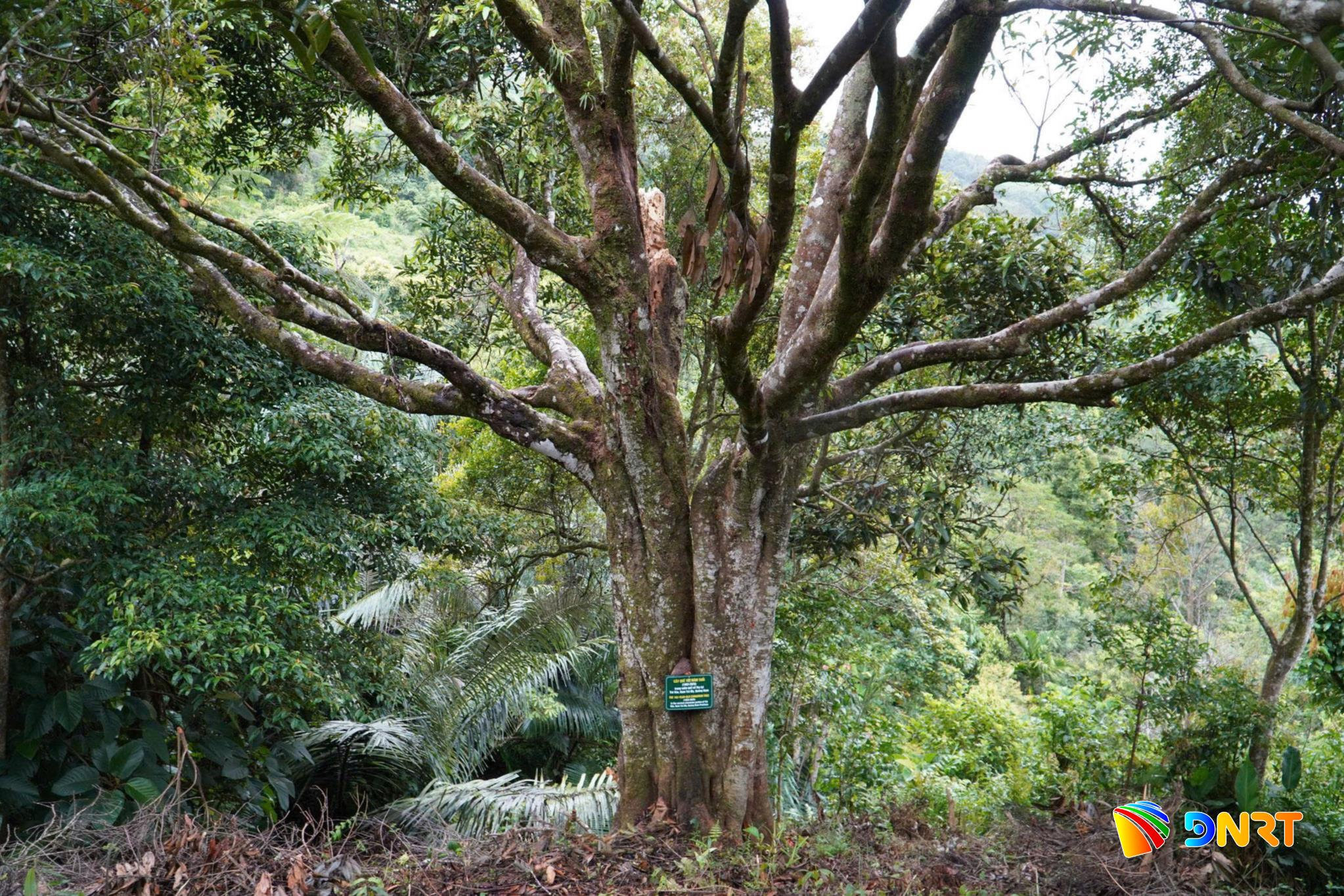
Tra My cinnamon is regarded as a treasure of western part of Da Nang where nature and generations of local growers have nurtured one of Vietnam’s most valuable medicinal plants.
Its reputation lies in outstanding quality: an essential oil content of 4 - 6%, cinnamaldehyde accounting for 85 - 90% which is responsible for its distinctive spicy aroma, and medicinal properties superior to most other cinnamon varieties on the market.
In 2011, “Tra My” was granted Geographical Indication status for its cinnamon bark, a prestigious certification that few growing regions possess. This recognition affirms Tra My position as one of Vietnam’s sources of cinnamon raw material.
According to Mr. Tran Viet Hung, General Director of Tra My Cinnamon JSC, Vietnam exported more than 120,295 tons of cinnamon in 2025, generating over US$300.2 million and maintaining its position as the world’s leading exporter.
However, Tra My cinnamon accounted for only a small share of that figure, with annual production reaching just 150 - 250 tons of dried bark from the region’s 3,760 hectares of cinnamon forests.
“Outstanding quality is only a necessary condition. To enter major export markets, sufficient conditions include transparency, traceability, and digital management capabilities” Mr. Hung said.
For the cinnamon industry in particular, and agriculture in general, digital transformation is no longer a trend, it has become an essential requirement for survival and competitiveness, he noted.
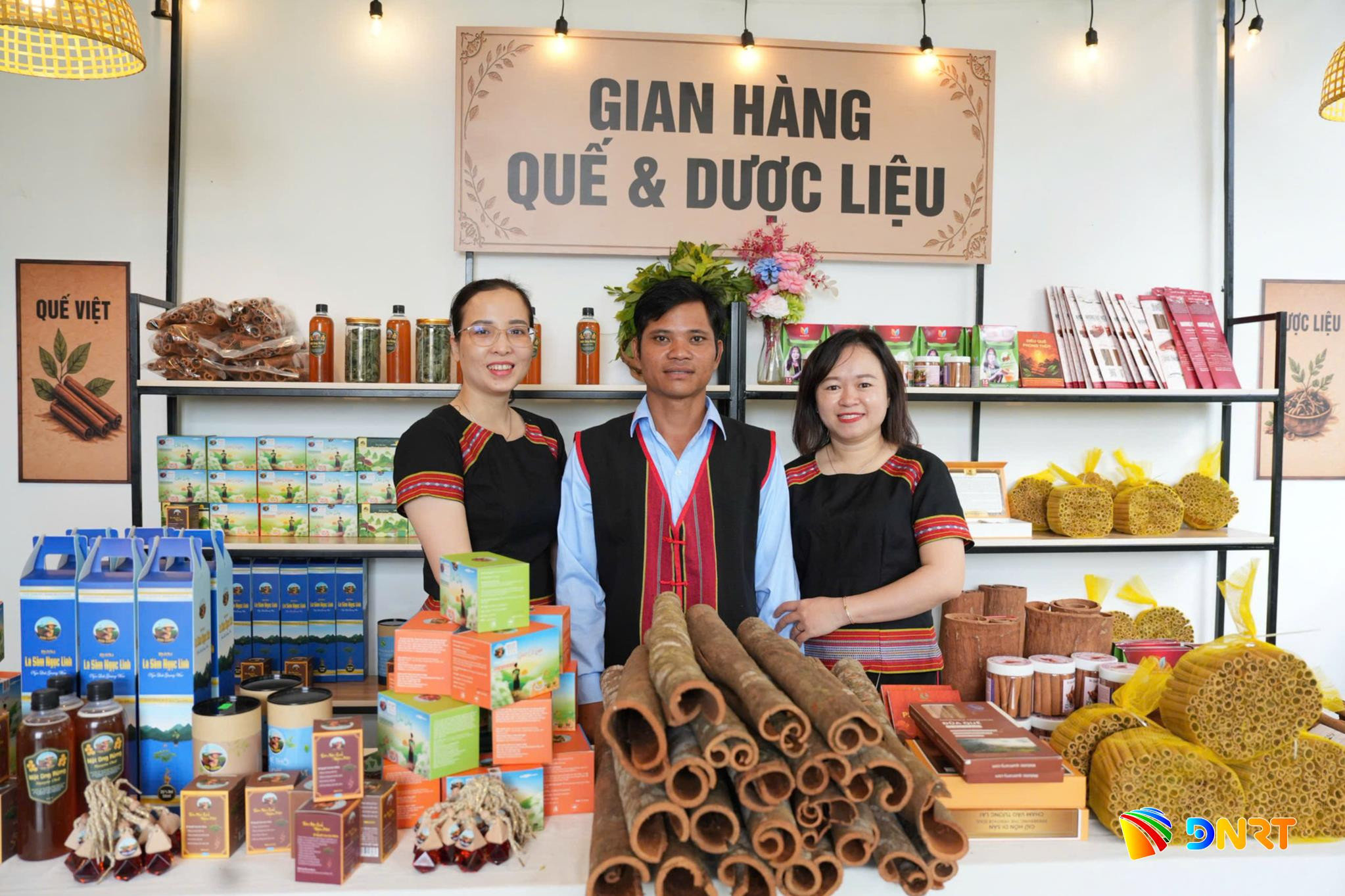
Sharing the same view, Mr. Vuong Huu Vinh, Deputy General Director of CinnamonGo Vietnam, said that digital transformation could begin with specialized software for the cinnamon industry, and the application of QR codes and blockchain technology to ensure transparency in cultivation records.
The platform could integrate artificial intelligence to analyze satellite imagery, provide early warnings of forest fires and deforestation directly to farmers’ smartphones, and forecast yields for each cultivation area.
He emphasized that every cinnamon tree could become a digital asset with its own unique story, allowing customers anywhere in the world to “adopt” a tree or purchase products directly from farmers' plantations.
Mr. Tran Viet Hung said, with digital transformation serving as the driving force, by 2035 communities in western part of the city could realistically achieve annual export revenue of US$30 million, equivalent to around 10,000 tons of cinnamon bark, along with an additional US$10 million generated from cinnamon by-products.