


Gửi bình luận
DNO - Da Nang is promoting an integrated approach to urban safety and disaster resilience, shifting from disaster prevention towards adaptation and recovery, at the 15th Asian-Pacific City Summit (APCS 15) in Fukuoka, Japan.
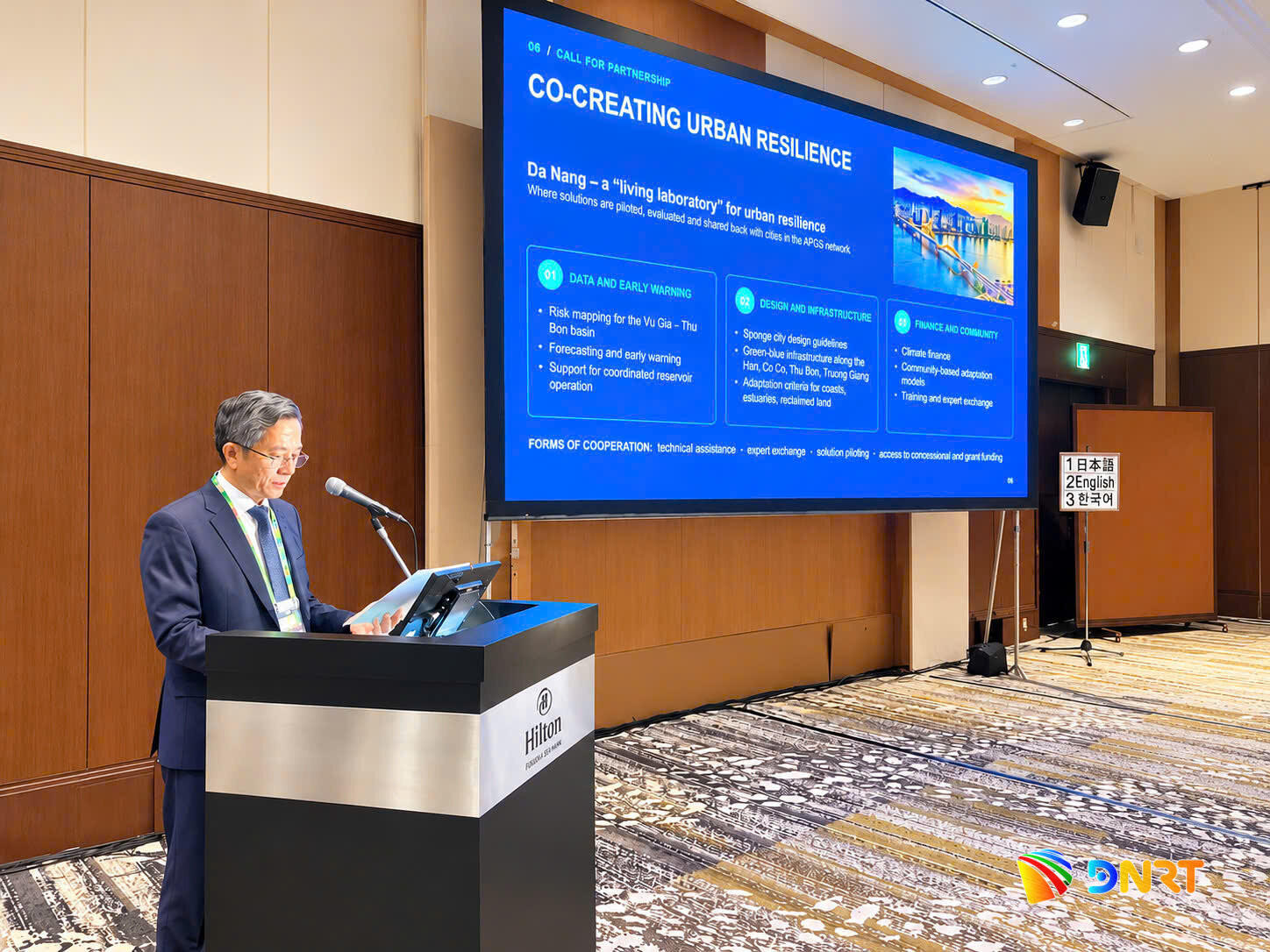
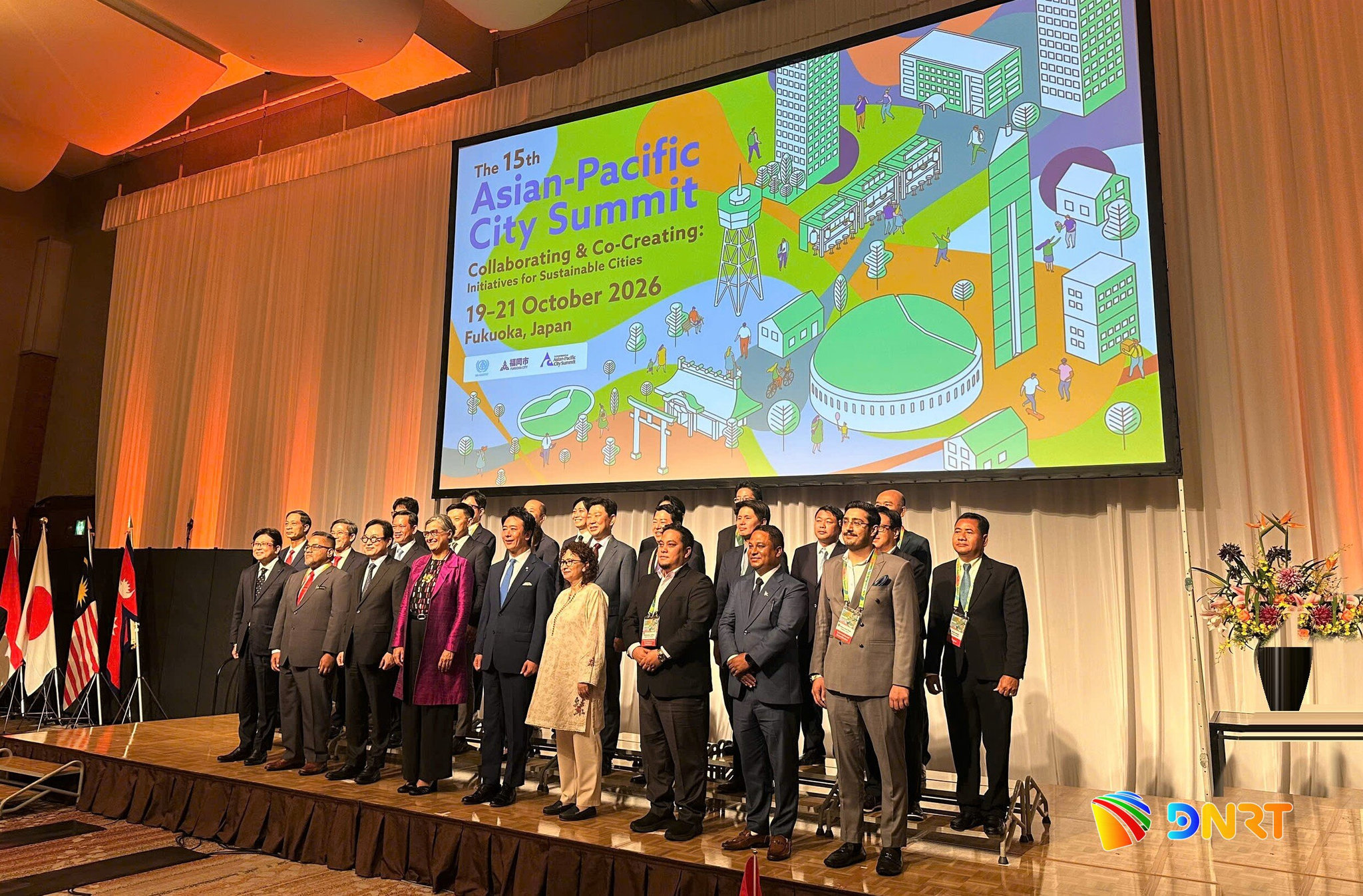
On October 20, Vice Chairman of the Da Nang People’s Committee Tran Nam Hung presented the city’s innovative approach to co-creating urban resilience at the summit.
APCS 15 runs from October 19 to 21 under the theme “Collaborating & Co-Creating: Initiatives for Sustainable Cities”. The Da Nang delegation is led by Vice Chairman Tran Nam Hung and includes representatives from relevant departments.
Speaking at a thematic session on co-creating safe, disaster-resilient cities through infrastructure and non-infrastructure solutions, Vice Chairman Tran Nam Hung outlined Da Nang’s approach of bringing together natural systems, infrastructure, data and communities to strengthen resilience.
Da Nang now covers approximately 11,870 square kilometers and has a population of more than 3.2 million.
The city now encompasses most of the Vu Gia - Thu Bon river basin under a single administration. This has enabled it to adopt a “one city, one river basin” approach to disaster risk management.
Da Nang is pursuing three groups of solutions. The first is to make room for water through urban planning. The city’s general plan to 2050, with a vision to 2075, which is awaiting government approval, prioritizes water-management space before allocating land for development.
It also seeks to limit urbanization in areas where flood depths exceed 1.5 meter and strictly protect flood conveyance corridors and flood-retention zones.
The second is to combine three layers of infrastructure. Grey infrastructure includes regulating lakes, drainage pipes and canals under recently adjusted plans for ground elevations and drainage. Green-blue infrastructure follows the sponge-city model, while digital infrastructure uses spatial data and real-time warnings for flooding and high tides.
The third involves non-structural measures, including coordinated operation of upstream reservoirs linked to early warnings for downstream communities, implementation of the “four on-the-spot” disaster response principle at commune and ward levels, and public participation in planning, with residents involved as partners in designing and implementing solutions.
Emphasizing that no local government can build resilience alone, Vice Chairman Tran Nam Hung called for cooperation with cities and international organizations in several areas: data sharing, risk mapping and early-warning systems for the Vu Gia - Thu Bon river basin; sponge-city development and green-blue infrastructure; climate finance; and community-based adaptation.
Da Nang has prepared a list of specific projects and is seeking technical assistance in hydraulic modeling and coordinated reservoir operations. The city is also ready to pilot, evaluate and share its solutions with the APCS network.
“Safe cities are not necessarily those with the most infrastructure. They are cities that develop in the right places, make room for water, use technology to forecast risks and mobilize communities to adapt and recover” , Vice Chairman Tran Nam Hung emphasized.
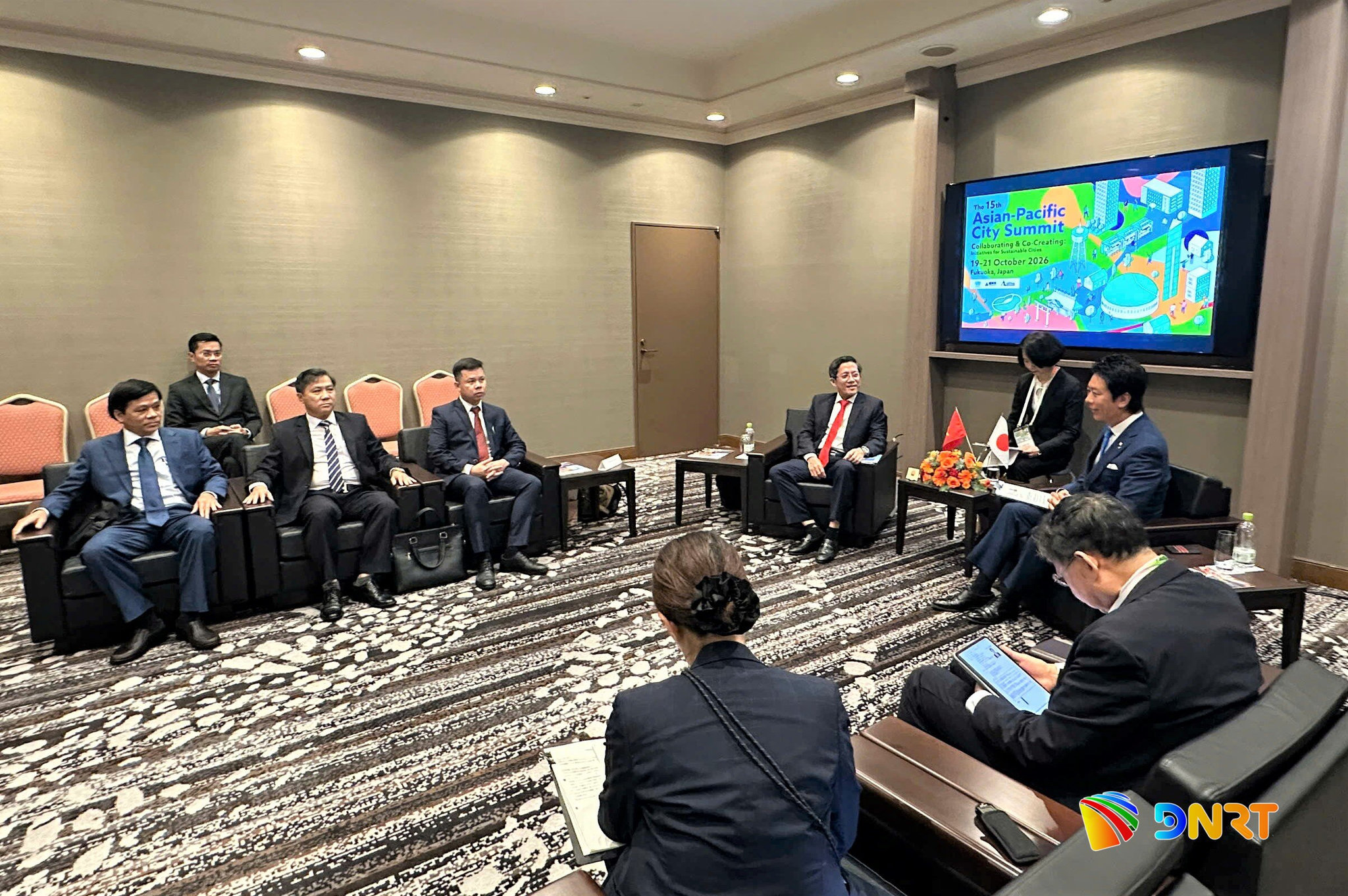
On October 19, Fukuoka Mayor Soichiro Takashima warmly received the Da Nang delegation. As the largest city in the Kyushu region, Fukuoka has a long history of trade with Asia and serves as a gateway connecting Japan with the region. It launched the APCS initiative in 1994.
As of August 2024, the APCS network comprised 34 member cities from 15 countries and territories.
Congratulating Fukuoka on hosting APCS 2026, Vice Chairman Tran Nam Hung praised the city’s role in initiating and sustaining the forum and reaffirmed Da Nang’s commitment to contributing to its programs and initiatives.
He also expressed interest in expanding cooperation between Da Nang and Fukuoka in urban planning and sustainable development, startup and innovation ecosystems, technology applications, digital transformation and smart-city development.
Both sides agreed to continue promoting cooperation, particularly in sustainable urban development and innovation.
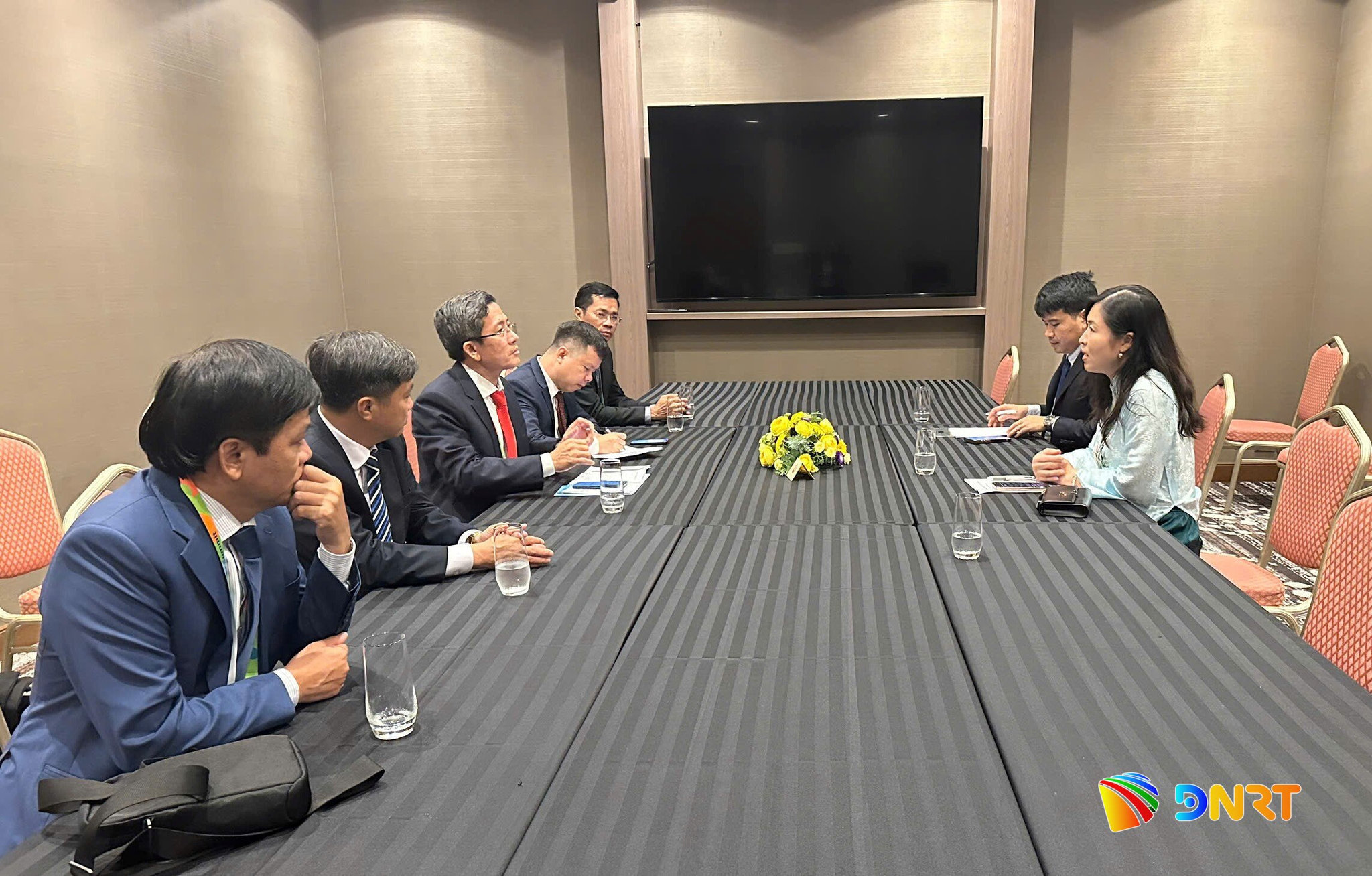
On the sidelines of APCS 15, Vice Chairman Tran Nam Hung held a bilateral meeting with Park Sung-hyeon, Mayor of Gwangyang, the Republic of Korea, and met with Trinh Thi Mai Phuong, Consul General of Vietnam in Fukuoka.
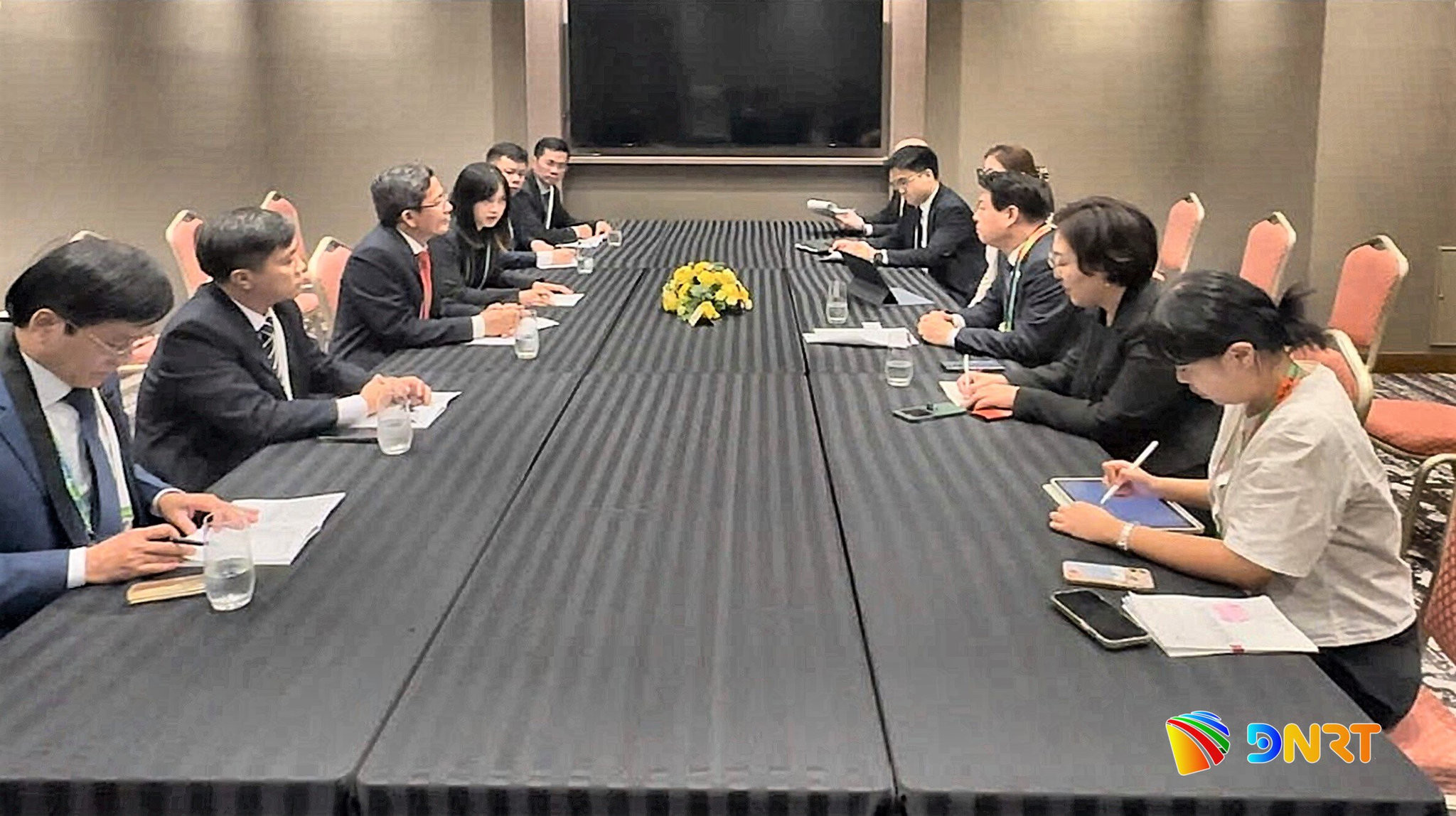
Gwangyang is an industrial port city that hosts POSCO’s Gwangyang steelworks. Its friendship with the former Quang Nam Province was established in 2017.
On August 7, 2026, the Da Nang People’s Committee and Gwangyang authorities renewed their friendship cooperation agreement to carry forward the relationship.
At the meeting, Vice Chairman Tran Nam Hung expressed Da Nang’s interest in attracting more Korean investment, particularly from Gwangyang.
Mayor Park Sung-hyeon highlighted potential investment opportunities for Gwangyang businesses, including a plant to recycle electric vehicle batteries and recover valuable metals such as lithium, cobalt, nickel and manganese.
Both sides agreed to continue exchanging delegations and facilitating business connections.
On October 21, the Da Nang delegation is scheduled to join field visits arranged by the APCS 15 organizers to a waste treatment facility, a wastewater treatment facility and the Seibu Waste Recycling Centre in Fukuoka.
These visits will provide opportunities to learn from local practices in waste management and environmental infrastructure.