
.jpg "UK seeks partnership with Da Nang on green port and urban railway")

Gửi bình luận
DNO - For 125 years, the Da Nang Port has grown alongside Vietnam’s maritime economy, evolving from a modest waterfront facility into a modern national general port and a key logistics gateway in Central Vietnam.
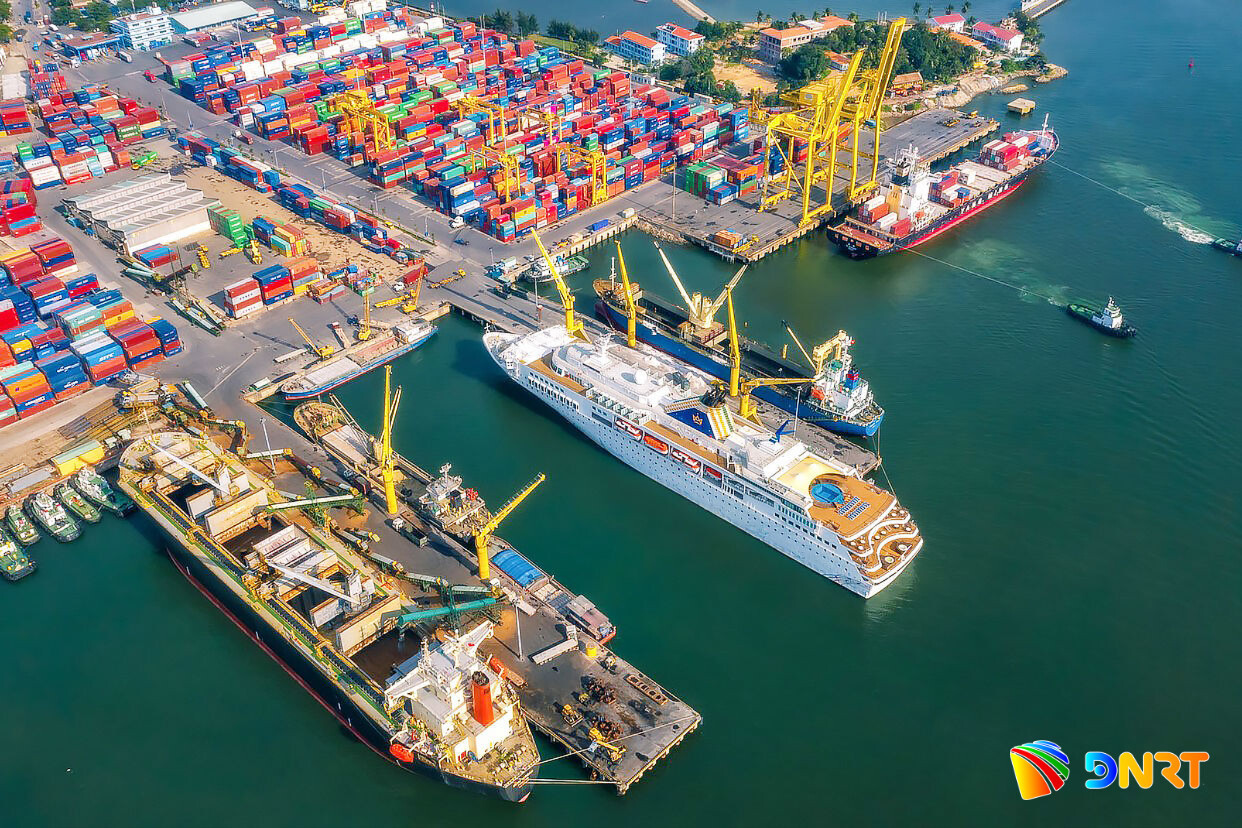
Established on September 1, 1901, the port has witnessed the transformation of Da Nang from a coastal trading city into an increasingly connected economic hub.
Its journey, from workers once hauling cargo by hand on sandy shores to automated container gates and data-driven operations - mirrors the city’s own drive to reach beyond its coastline and connect with the wider world.
Today, Da Nang Port operates nearly 1,700 metres of berths, capable of handling general cargo vessels of up to 70,000 DWT, container ships of up to 4,000 TEUs and cruise ships of up to 170,000 GRT. Its strategic advantage extends well beyond its waterfront.
The port serves as an important gateway to the East-West Economic Corridor (EWEC), a 1,450-km transport route linking Myanmar, Thailand, Laos and Vietnam before reaching the Pacific through Da Nang.
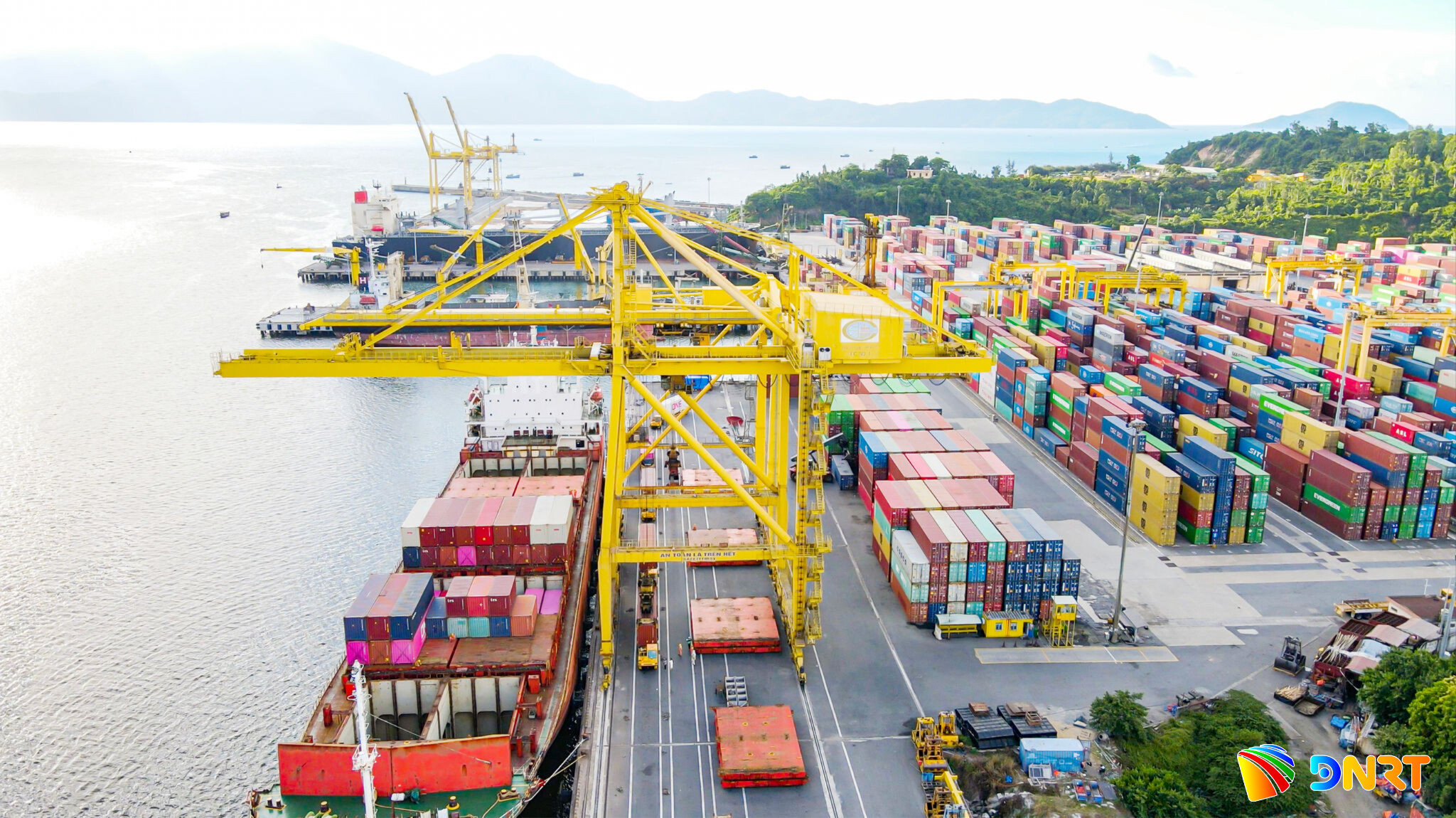
Over the past decade, Da Nang Port has speeded up investment in infrastructure, equipment and logistics services. The second phase of the Tien Sa Port expansion has strengthened the port’s capacity to handle growing volumes of cargo and containers.
New facilities and equipment have since been added, including storage yards, ERTG cranes, a CFS warehouse, upgraded Tien Sa berth No. 2, mobile cranes, quay cranes, specialised tractors and a dedicated logistics service centre.
The next step is taking shape inland. Da Nang Port is planning a 20-hectare logistics centre in Hoa Vang, designed to function as an inland container depot and gradually develop into a regional logistics and cargo-coordination hub for Central Vietnam and the Central Highlands.
The strategy reflects a broader shift: a modern port is no longer just a place where ships load and unload cargo, but a vital link connecting factories, warehouses, roads and global shipping routes.
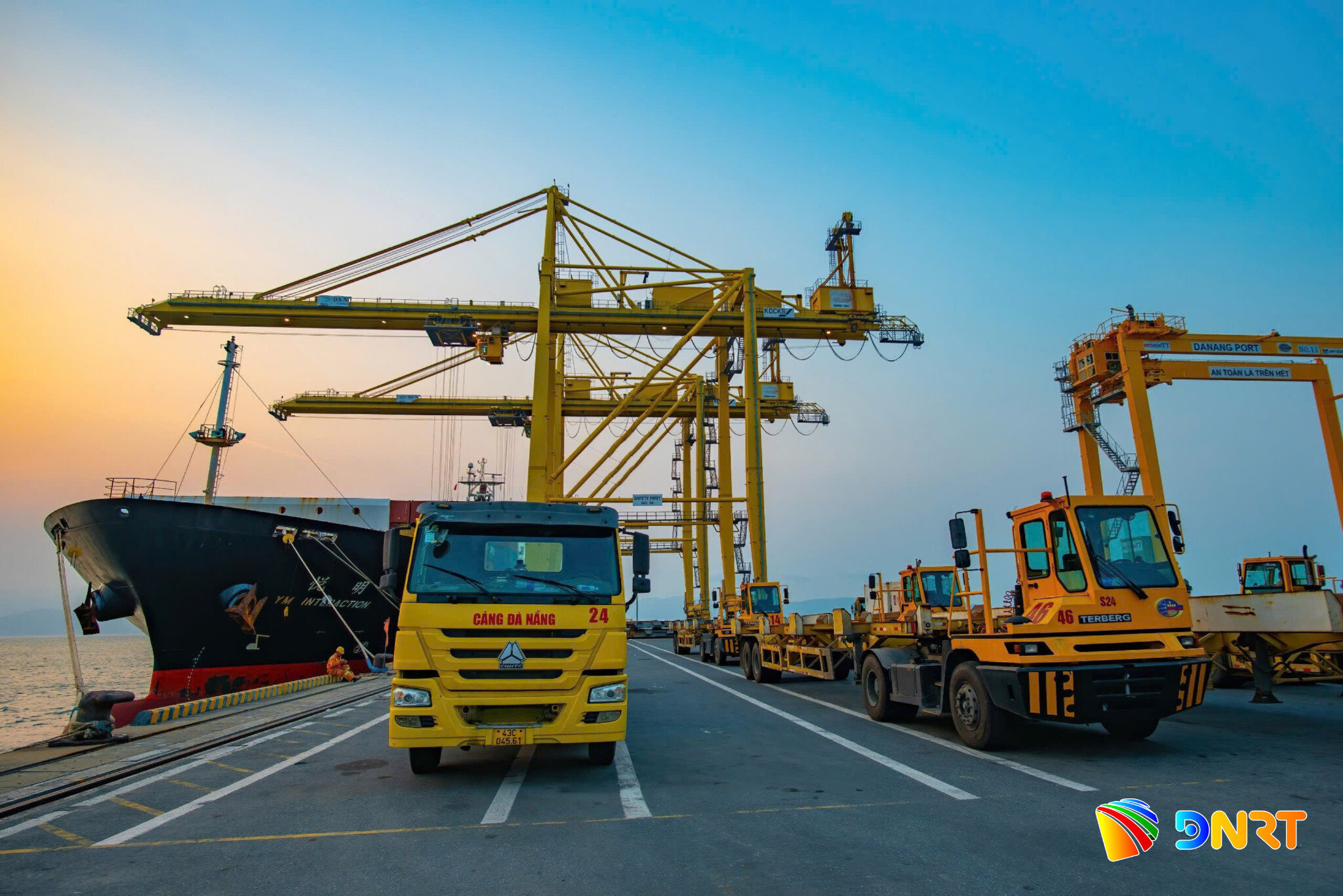
Perhaps the most striking chapter of Da Nang Port’s recent development has been its digital transformation. Since 2020, its ePort ecosystem and smart container gate, AutoGate, have reshaped the way cargo is received and delivered.
Nearly 100% of container services are now conducted online, reducing paperwork, shortening processing times and streamlining interactions between customers and the port.
Artificial intelligence is also being deployed in automated gate operations, including container-number recognition and condition monitoring through camera systems.
The technology provides a foundation for greater automation and data-driven management across the port. These innovations have earned national and local recognition, including awards for the ePort system, Smart Container Gate, AutoGate and the eCPS automated vehicle-positioning system.
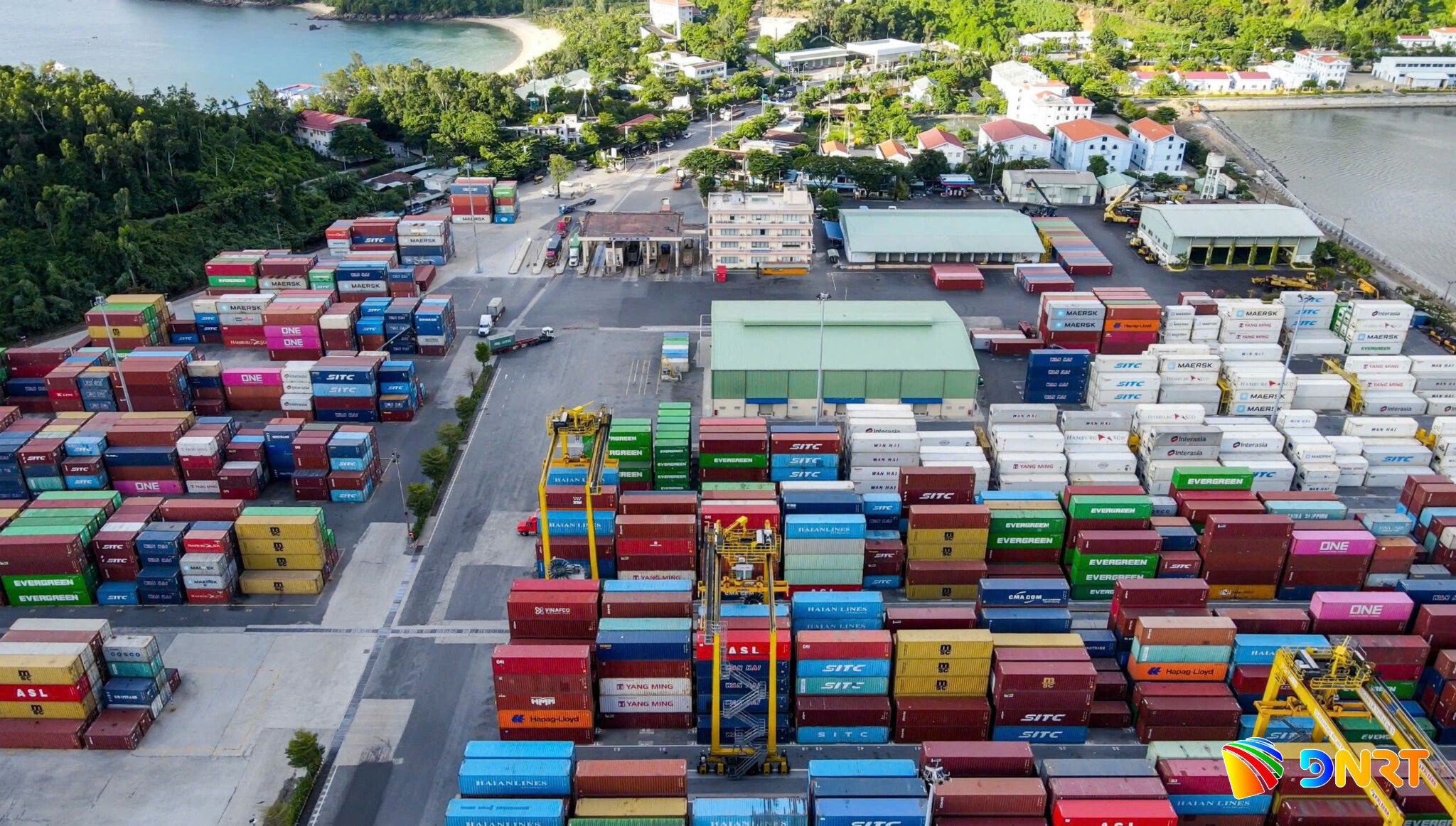
The transformation is reflected in business performance. In 2025, cargo throughput increased by 10.29% year on year, while container volumes rose 11.13%.
Revenue has also reached new milestones, rising from VND1 trillion in 2021, with a profit of VND296 billion, to VND1.5 trillion in 2024 and a profit of VND375 billion. Revenue in 2026 is projected to exceed VND2 trillion, with profit topping VND500 billion.
Major international shipping lines, including Maersk Line, TS Line, ZIM, COSCO, Samudera, SITC, Evergreen, Wan Hai and YCKY, have added services at the port, strengthening Da Nang’s position on regional maritime routes.
The port’s recent years have also seen hundreds of initiatives aimed at improving operations and innovation, alongside growing attention to green-port development and social responsibility.
After 125 years, Da Nang Port is entering a new chapter. Its future is being shaped not only by cranes, berths and ships, but by technology, logistics connectivity and a clear ambition to become a smarter, greener gateway to the sea.
From footprints in the sand in 1901 to digital signals moving through a smart port in 2026, Da Nang Port’s 125-year voyage is ultimately a story of continuous reinvention, and of a city steadily strengthening its connection with the world.