
![[Infographic] What’s on in Hoi An for Tet 2026](https://bqn.1cdn.vn/thumbs/540x360/2026/02/01/1.jpg "[Infographic] What’s on in Hoi An for Tet 2026")
.jpg "New way to travel: Immersive craft village experiences in Hoi An")

.jpg "Hoi An’s Thanh Ha Pottery Village among best community tourism spots in Vietnam")
Gửi bình luận
DNO - More than a trip, the journey into traditional pottery in central Vietnam, undertaken by Cécile de Francquen, a Belgian anthropologist and archaeologist, is a "reverse journey" through space and time, where the memories of earth and fire are revived through the hands of artisans.
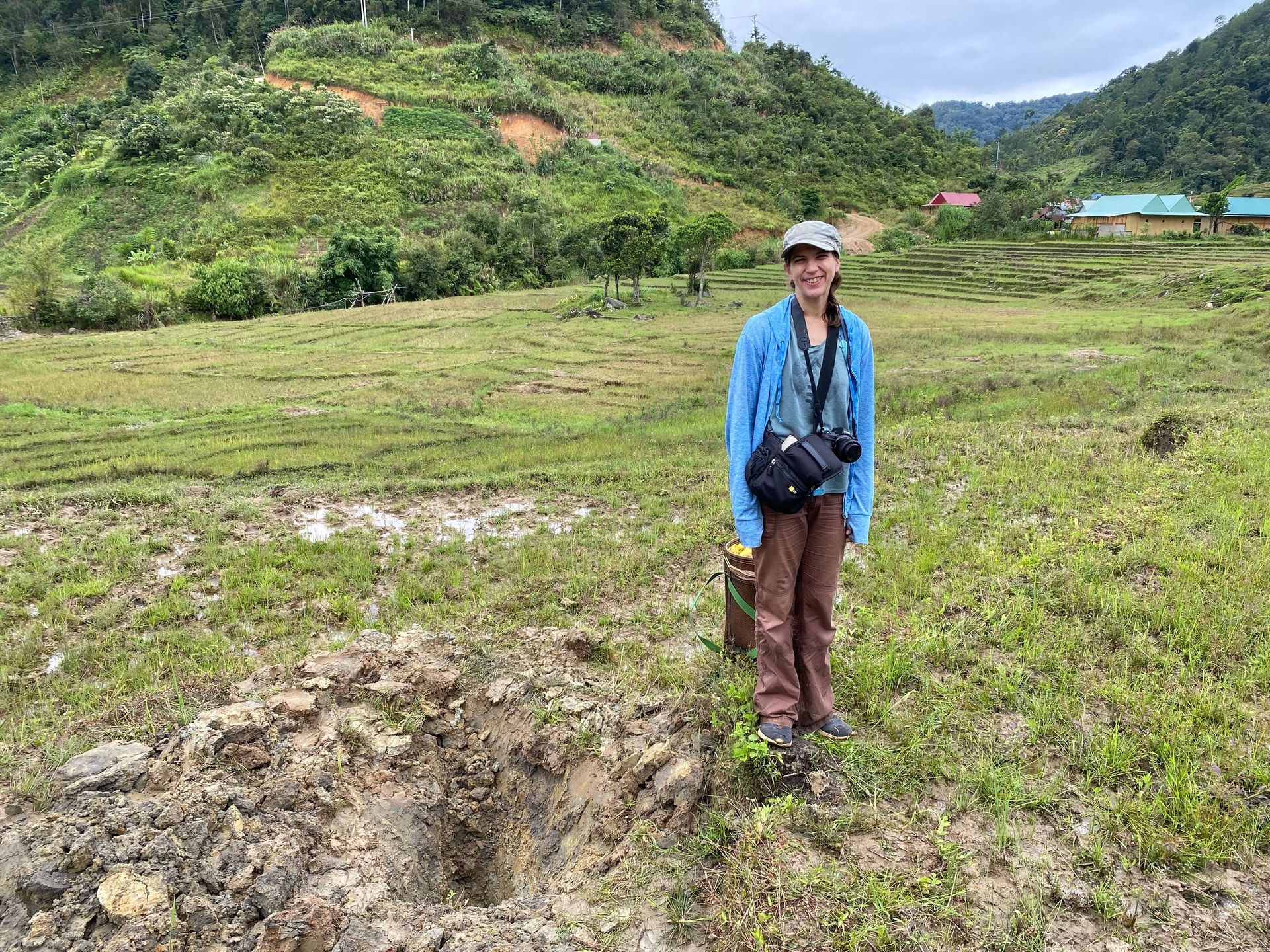
By late 2025, the British Museum launched the digital project “Documenting the Knowledge of Vietnam’s Traditional Potters”, recounting the long-standing story of Vietnam’s pottery tradition. Among the four pottery villages selected for the screening, three in central Vietnam captivated Cécile the most.
This is not Cécile’s first visit to Vietnam. Several years ago, she spent months immersing herself in pottery villages along the Red River.
However, on her recent journey to pottery villages in central Vietnam, Cécile chose to document knowledge from the villages that have gradually faded from memory, as well as the stories of the revival of pottery villages for tourism.
She noted that three pottery villages in Central Vietnam, namely Ki’Nonh, Thanh Ha and Que An, captivated her the most, with their pottery-making techniques and the way people converse with earth and fire.
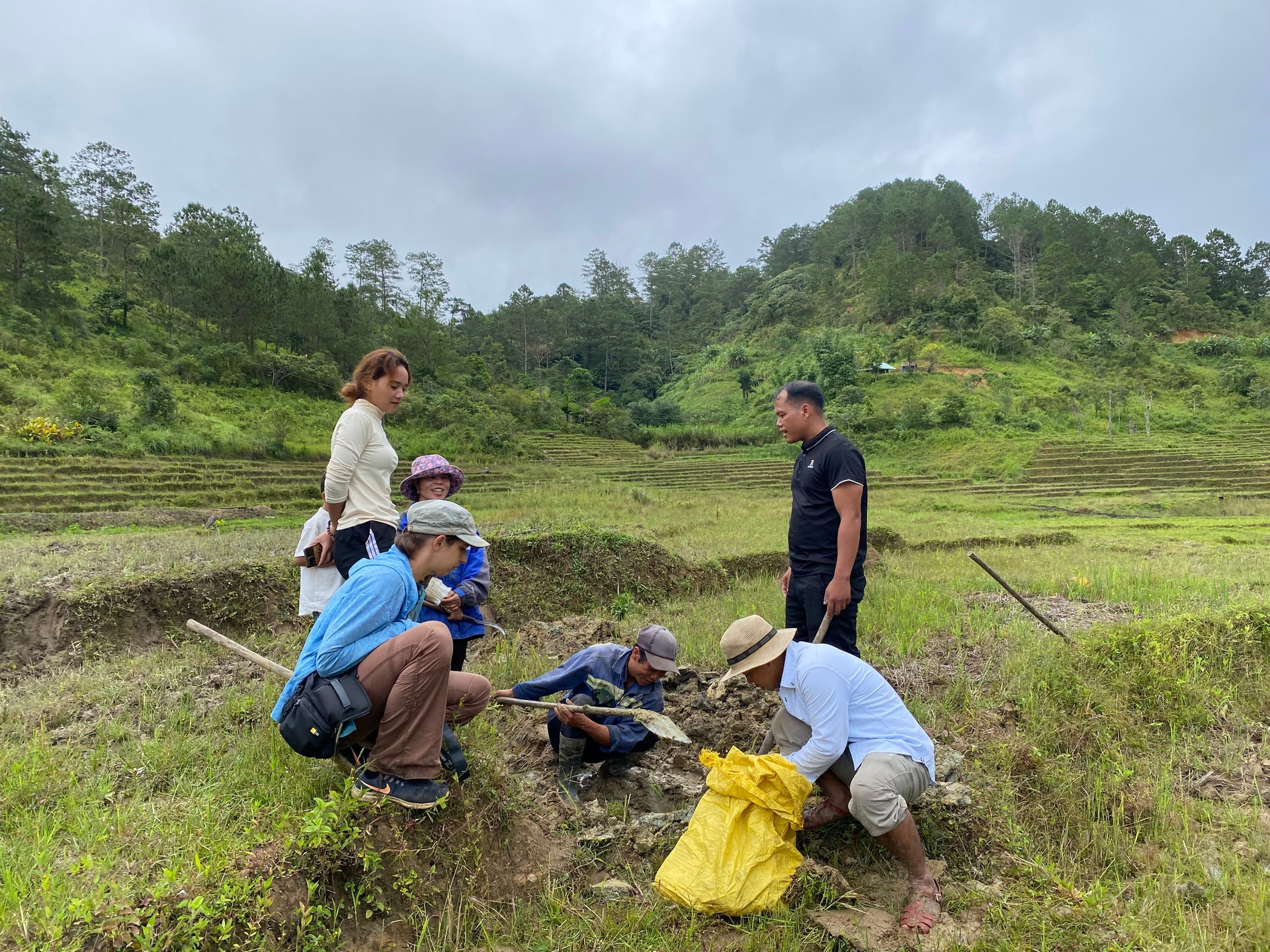
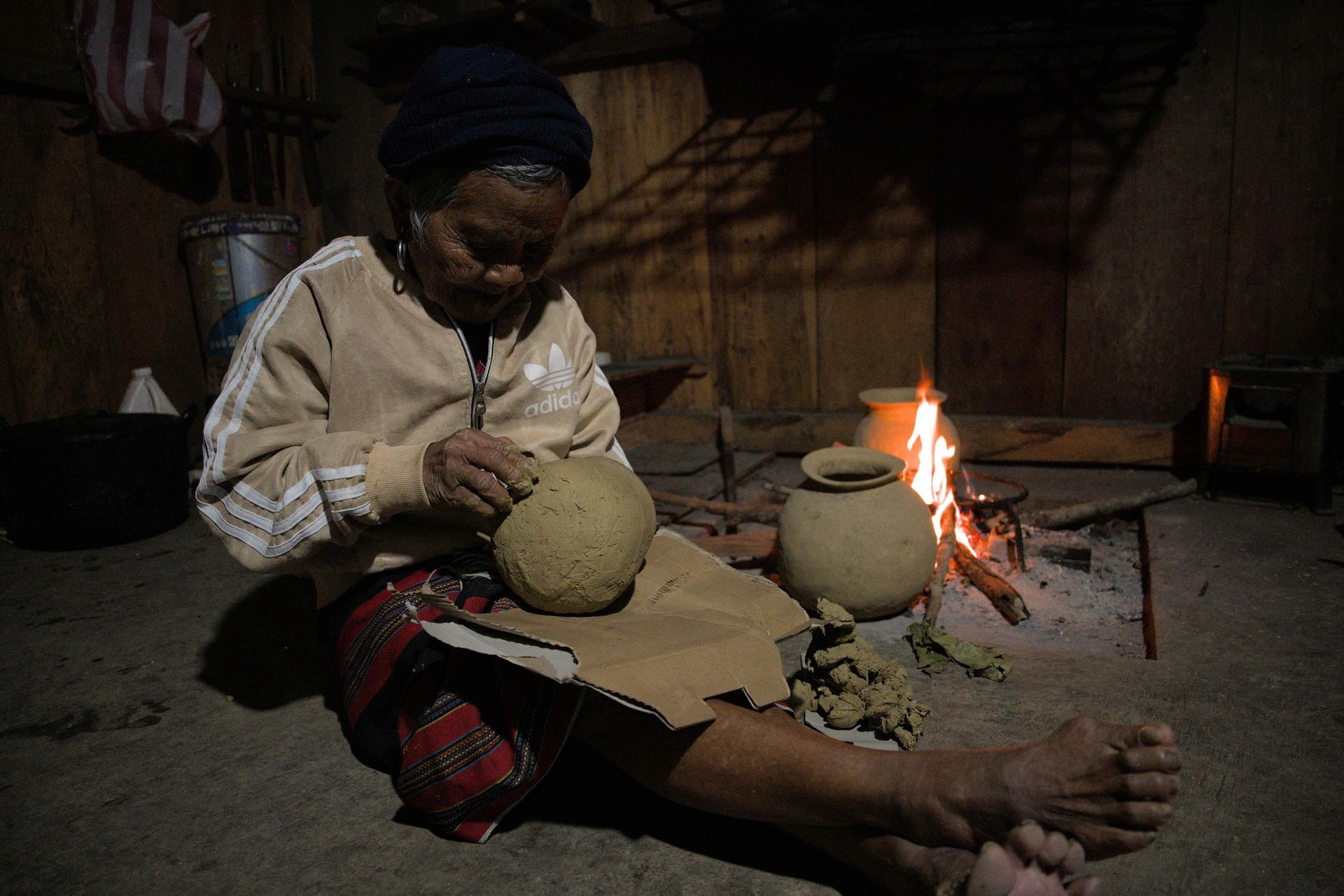
At Ki’Nonh, an ancient pottery village of the Co Tu ethnic group in Hung Son Commune, Da Nang, Cécile was captivated by a technique that does not rely on a modern potter’s wheel. Instead of placing clay on a rotating wheel, artisans keep the clay mass stationary and move around it, using their footsteps as a rhythmic guide to shape the vessel. This act of “walking around the clay” as Cécile described it, is a powerful symbol of labor.
Beyond simply documenting the technique, Cécile paid special attention to the unique clay of Ki’Nonh: yellow clay mixed with brown sand and quartz crystals that prevents cracking when fired at high temperatures as well as the meticulous preparation process, from soaking to thorough pounding.
Leaving Ki’Nonh behind, Cécile continued to the Que An Pottery Village, where the craft now faces the risk of extinction. Although potter’s wheels remain in use, the number of practicing artisans has steadily diminished.
For her, documenting each movement and each intergenerational story is a way of capturing the “gaps” between modern living demands and traditional techniques that are gradually fading.
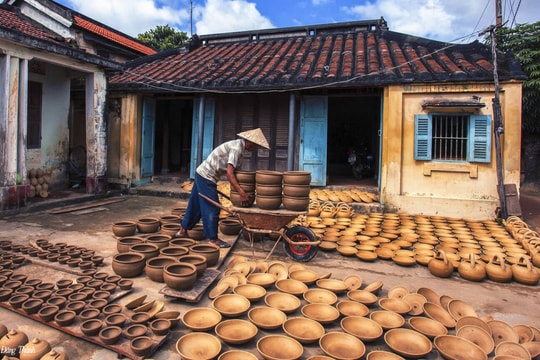
Finally, in Thanh Ha, a pottery area associated with the ancient Hoi An trading port, Cécile observed how pottery has evolved from everyday household ware into decorative objects and souvenirs within the tourism economy.
Under the hands of the skilled artisans, these small, beautiful products bear the mark of the intersection between local culture and the modern market.
Cécile’s journey is not merely about filming pottery-making techniques. It is a journey of listening, collecting and reconnecting cultural memories. For her, bringing the images, techniques and stories of Vietnamese pottery to the world is a way to affirm its value, awaken community pride, and hopefully find new directions for Vietnamese pottery to thrive in contemporary life.