Gửi bình luận
DNO - According to the "Top 100 Asian Foods" ranking released by Taste Atlas on November 18, Vietnam has seven dishes featured on the list. Among them, 'banh mi thit heo quay' (roasted pork belly banh mi) scored 4.5 out of 5, ranking 9th overall and standing as the only Vietnamese representative in the top 20.
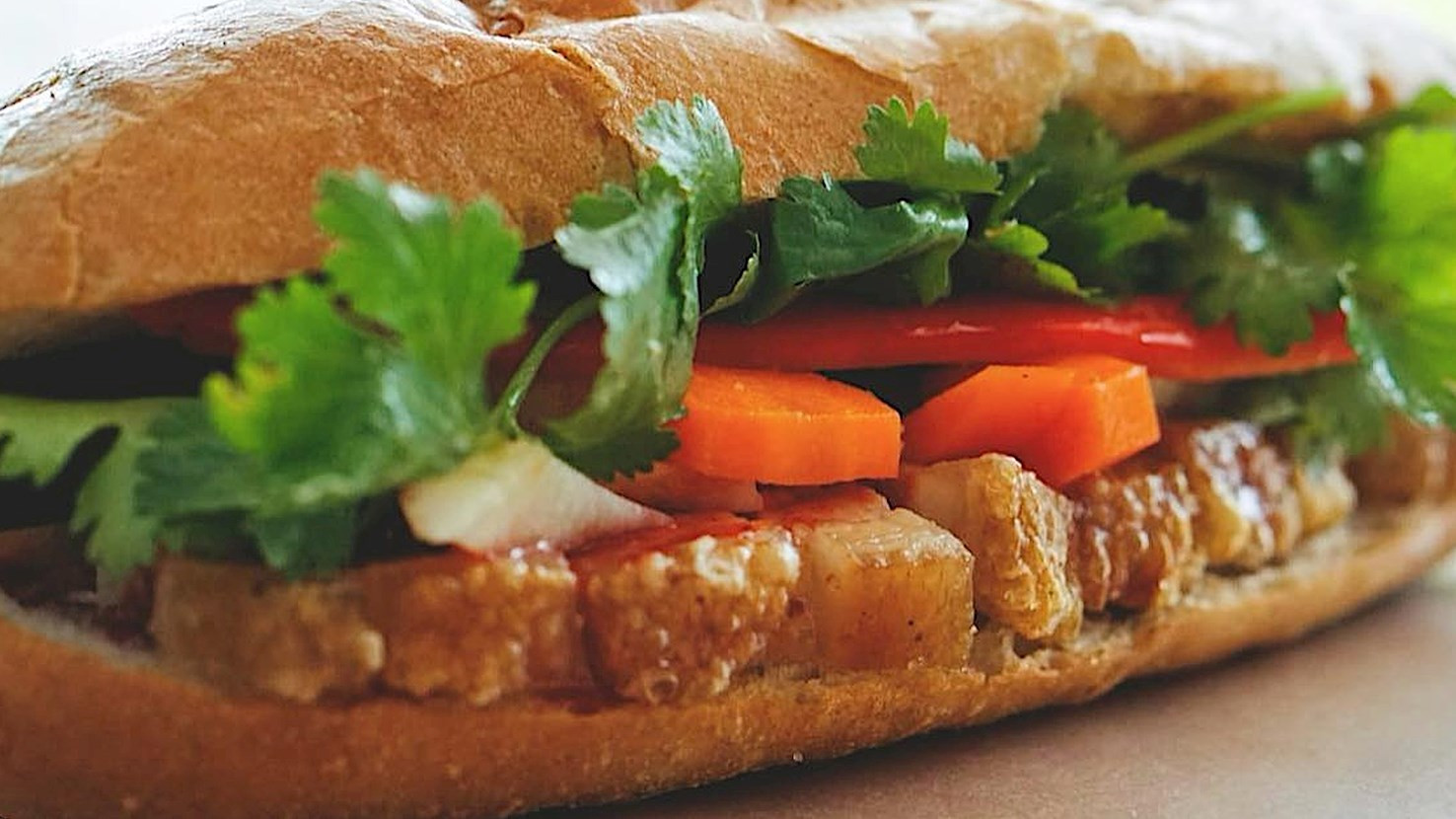
Taste Atlas described, 'banh mi heo quay' is a traditional banh mi sandwich variation made with roasted pork belly as the main ingredient.
The pork is roasted with a thick layer of salt and spices. It is sliced and served on a freshly baked banh mi roll. The sandwich is then dressed with a combination of mayonnaise, pickled carrots and daikon, cucumbers, cilantro, and chives.
If desired, sliced chili peppers can be added to the sandwich as a topping, making it very spicy. One side of 'banh mi heo quay' can also be spread with chicken liver pate before the sliced pork belly is added to the sandwich. This type of banh mi can be bought at street food stalls and it’s one of the most popular types of banh mi in the country.
The other Vietnamese dishes featured on the list include 'pho bo' (beef pho) ranked 37th, 'bun bo Nam Bo' (Southern Vietnamese beef noodle salad) 43rd, 'Mi Quang' (Quang noodles) 65th, 'nuoc cham' (Vietnamese fish sauce) 78th, 'bun cha' (grilled pork meatballs with vermicelli noodles) 84th, and 'bo kho' (Vietnamese beef stew) 100th.
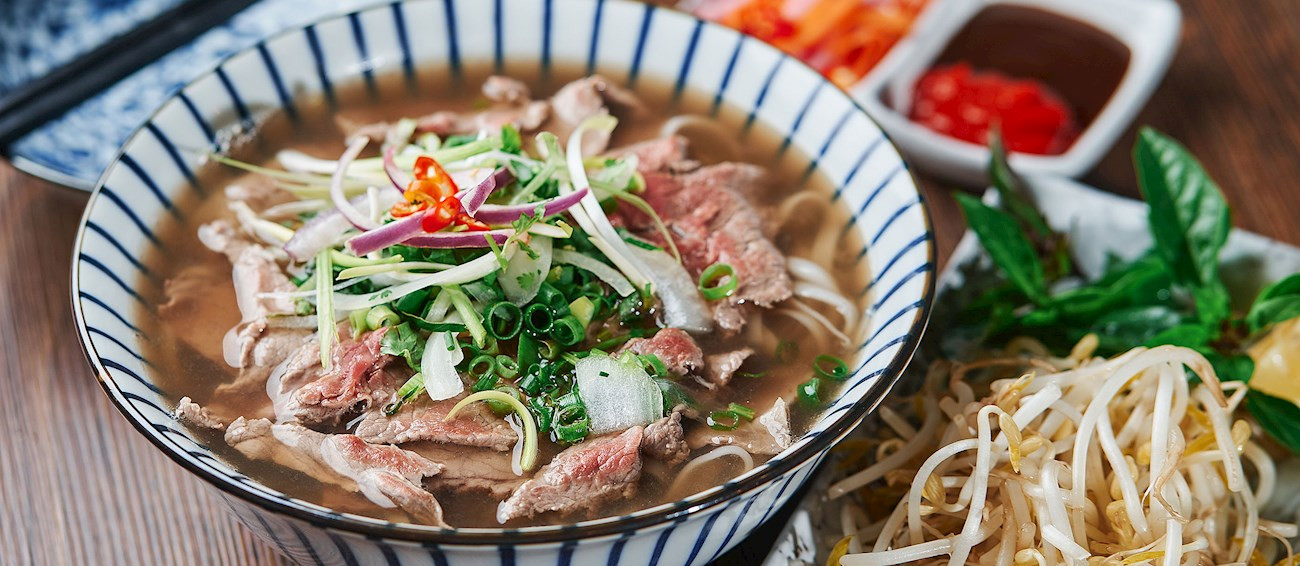
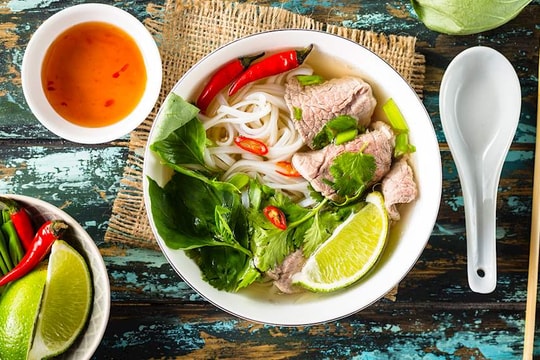
Taste Atlas remarked, the beef-based version of pho is prepared with assorted cuts and parts of beef. The stock is made from beef bones, shank, ox tail, and neck, while the toppings include thinly sliced fatty brisket, flank, eye-round steak, tripe, cooked and raw beef, tendon, or beef balls, but the latter version is not that popular in Vietnam.
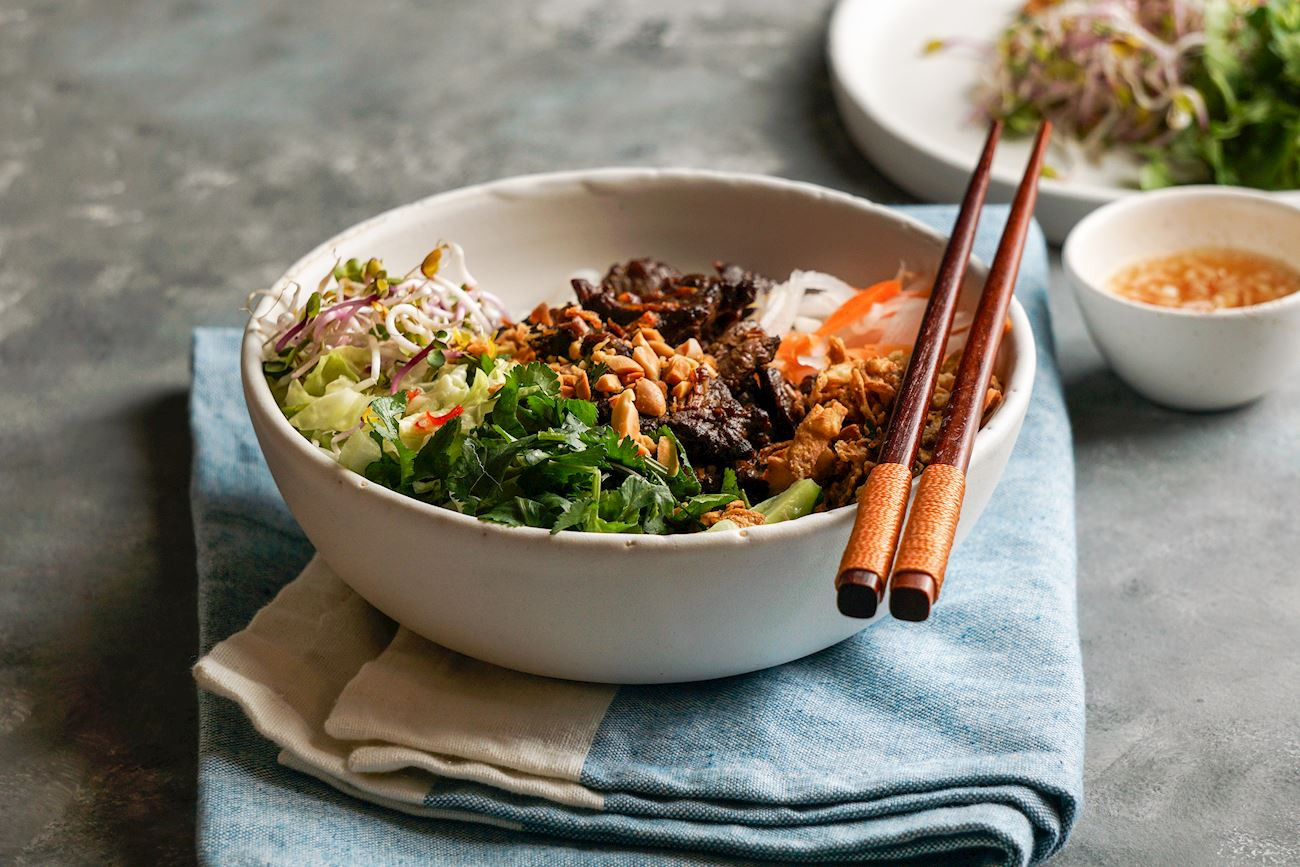
Meanwhile, 'bun bo Nam Bo' is a traditional dish. The name holds a key to its basic ingredients and the location. 'Bun' means noodle, 'bo' is for beef, and 'Nam Bo' refers to the South of the country.
The main ingredients include beef, rice vermicelli noodles, garlic, fresh herbs (cilantro, mint), and vegetables (carrots, cucumbers, lettuce, bean sprouts), while roasted peanuts and fried shallots are entirely optional.
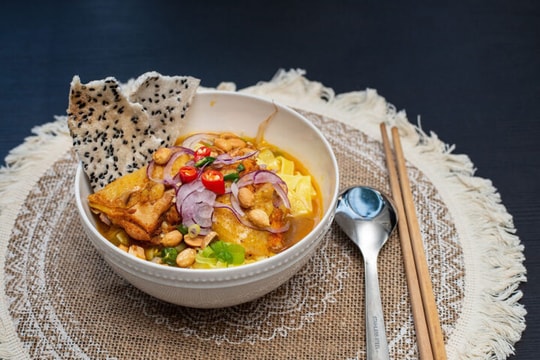
'Mi Quang' (Quang-style noodles) consists of a combination of flat rice noodles and yellow egg noodles that are served with a small amount of flavorful meat broth and crispy fresh vegetables and herbs such as banana blossoms, lettuce, cilantro, scallions, and Vietnamese coriander.
The dish is incredibly versatile and usually comes topped with pork belly, chicken, shrimps, fish, boiled eggs, roasted peanuts, and fish crackers.
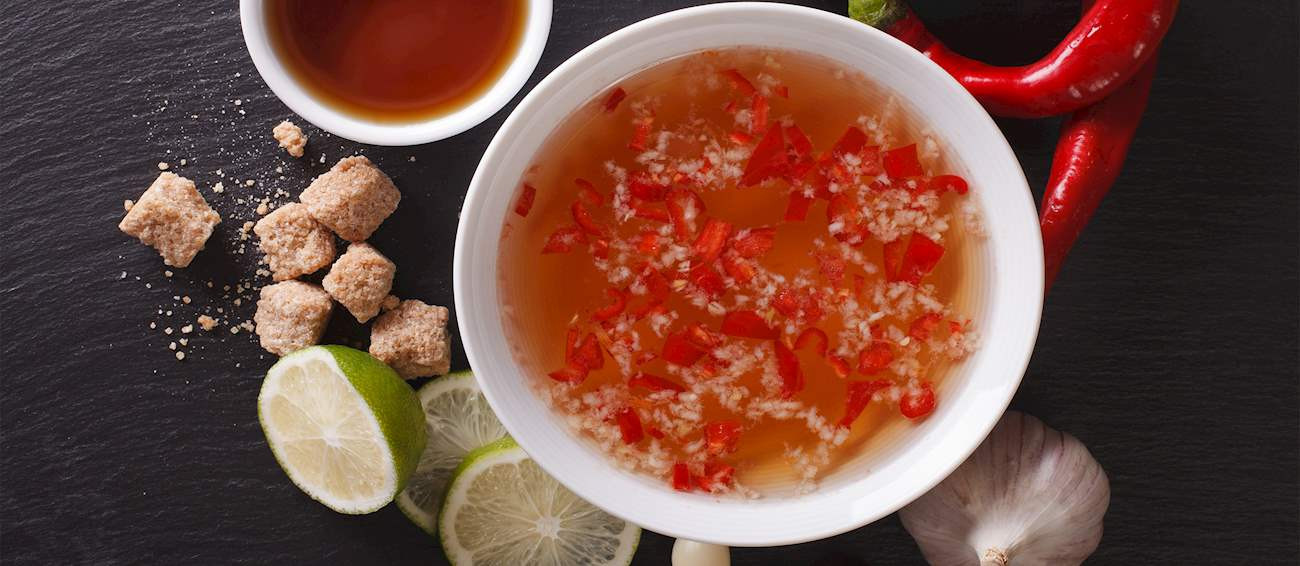
Regarding 'nuoc cham' (Vietnamese fish sauce), in its basic form, this ubiquitous Vietnamese sauce is prepared with a sour base of lime juice, or optionally vinegar, sugar, water, and fish sauce. Common additions include finely sliced chili peppers, garlic, shallots, spring onions, ginger, or fresh herbs.
'Nuoc cham' is usually served as a dipping sauce alongside 'cha gio' (spring rolls), 'banh xeo' (crispy pancakes), and various meat or seafood dishes, as well as noodles and soups.
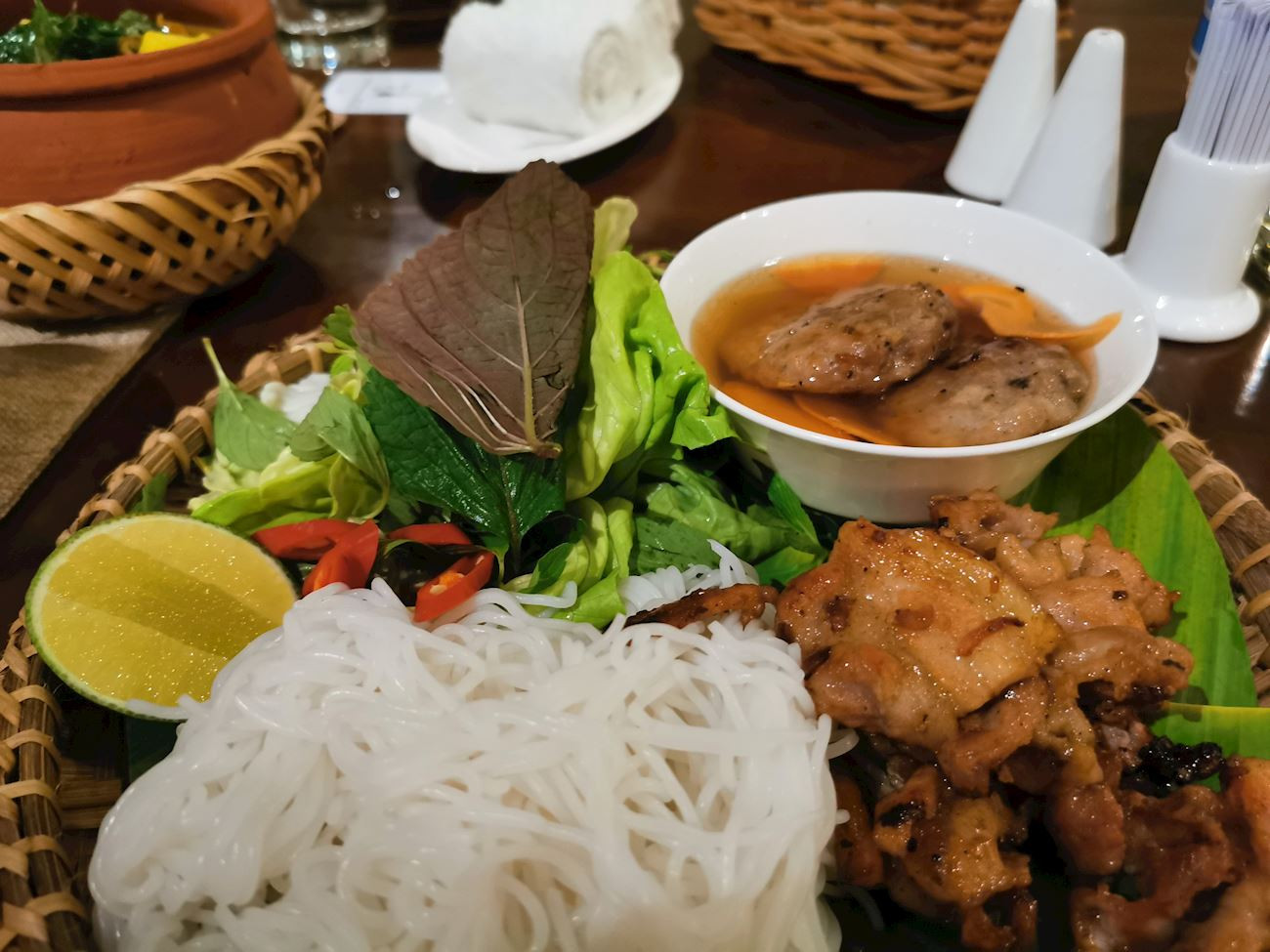
'Bun cha' (grilled pork meatballs with vermicelli noodles) is a pork and noodle dish that is intricately connected to Ha Noi, where it is believed to have originated.
The dish combines three elements: a bowl of grilled pork meatballs served in a cold broth, a plate of rice noodles, and a combination of various fresh greens such as perilla leaves, lettuce, coriander, and morning glory.
'Bun cha' became internationally recognized in 2016 when it was featured on the show Parts Unknown – in which the host Anthony Bourdain enjoyed 'bun cha' together with the former president Barack Obama.
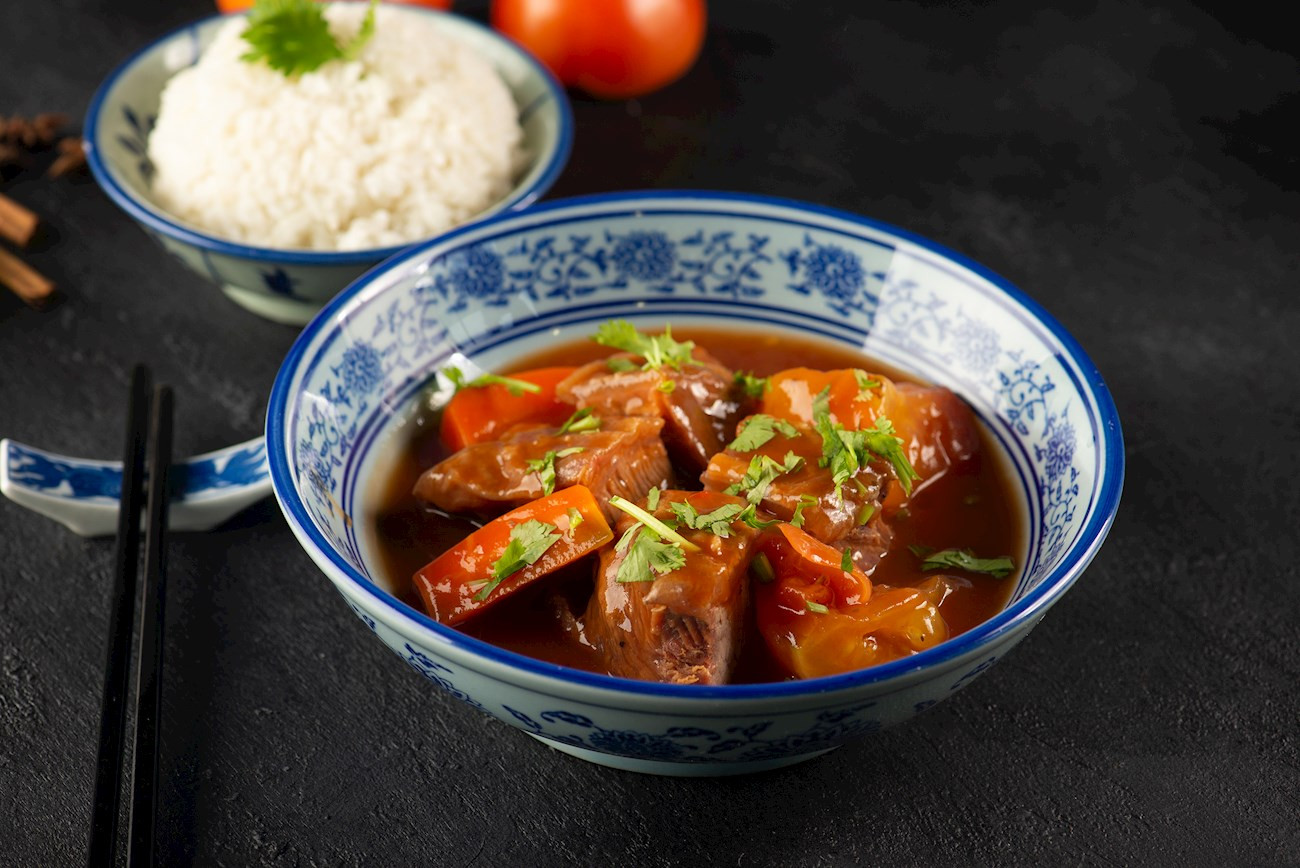
'Bo kho' is a popular Vietnamese beef stew that can be consumed on its own or accompanied by banh mi on the side. It can also be served over noodles, and it is customary to serve a variety fresh herbs on the side.
The dish includes ingredients such as diced beef, carrots, lemongrass, cinnamon, chili, pepper, garlic, and shallots, all of them simmered in a spicy and aromatic broth.
