Gửi bình luận
DNO - For an increasing number of travellers in Viet Nam, money spent on local food, crafts, farm visits and cultural experiences is also helping communities protect traditional livelihoods.
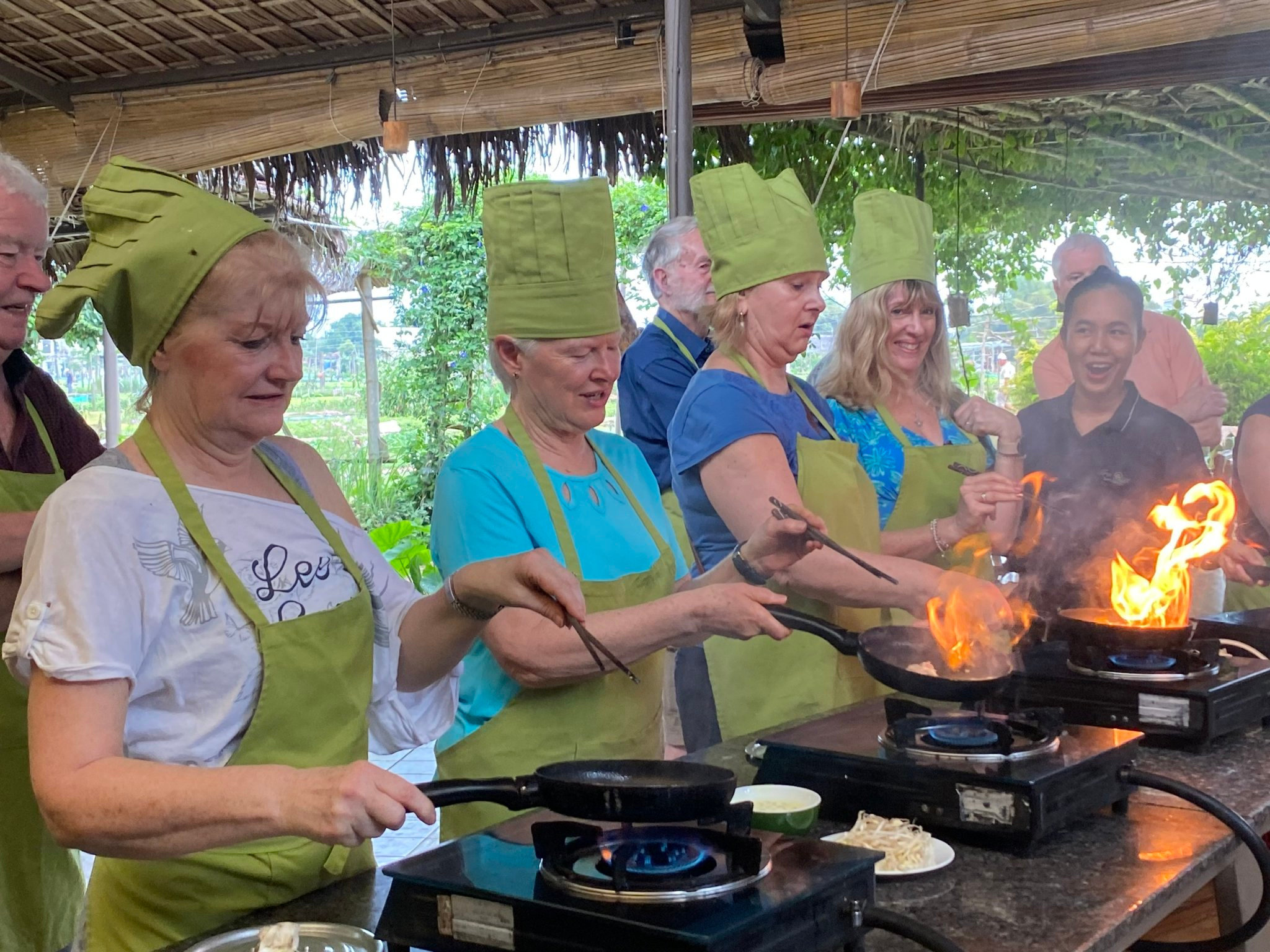
Their choices are giving new value to old skills and creating fresh opportunities for villages built around craft, farming and heritage.
Meaningful spending becomes an important part of how Vietnamese travellers choose destinations and experiences.
According to Booking.com’s latest Sustainable Travel Report, 78% of Vietnamese travellers want the money they spend on a trip to remain in the local community.
Some 85% actively seek authentic experiences rooted in local culture. Another 28% have taken part in tours or activities focused on local traditions and community life.
These figures point to a changing role for travellers. They are not simply visitors taking pictures and moving on. Their spending can become a direct source of income for artisans, farmers and local families.
That income can help communities maintain traditional crafts, restore old buildings, revive festivals and pass skills to younger generations. It can also encourage villages to develop tourism products that respect local identity.
The Lung Tam Village in Tuyen Quang Province offers a striking example. Linen weaving is deeply connected with the cultural and spiritual life of the local H’Mong community.
Each product passes through 41 painstaking stages, from weaving and indigo dyeing to beeswax decoration. Tourism has brought new demand for these handmade products.
The Lung Tam Linen Weaving Cooperative has grown from 10 members to more than 100 local workers, most of them women. For many families, tourism income provides a practical reason to keep the craft alive.
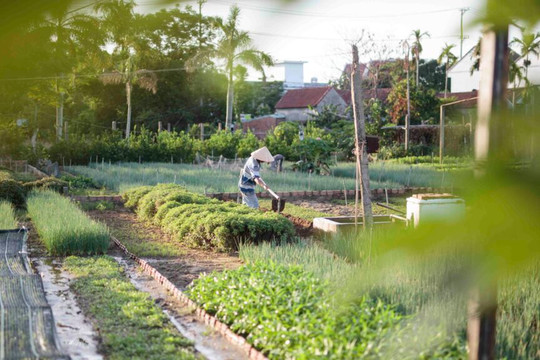
At the Tra Que Vegetable Village in Da Nang, tourism has found its place within an agricultural way of life that dates back centuries.
The 18-hectare farming community is home to more than 300 farmers from around 200 households. They grow about 20 types of organic vegetables and herbs.
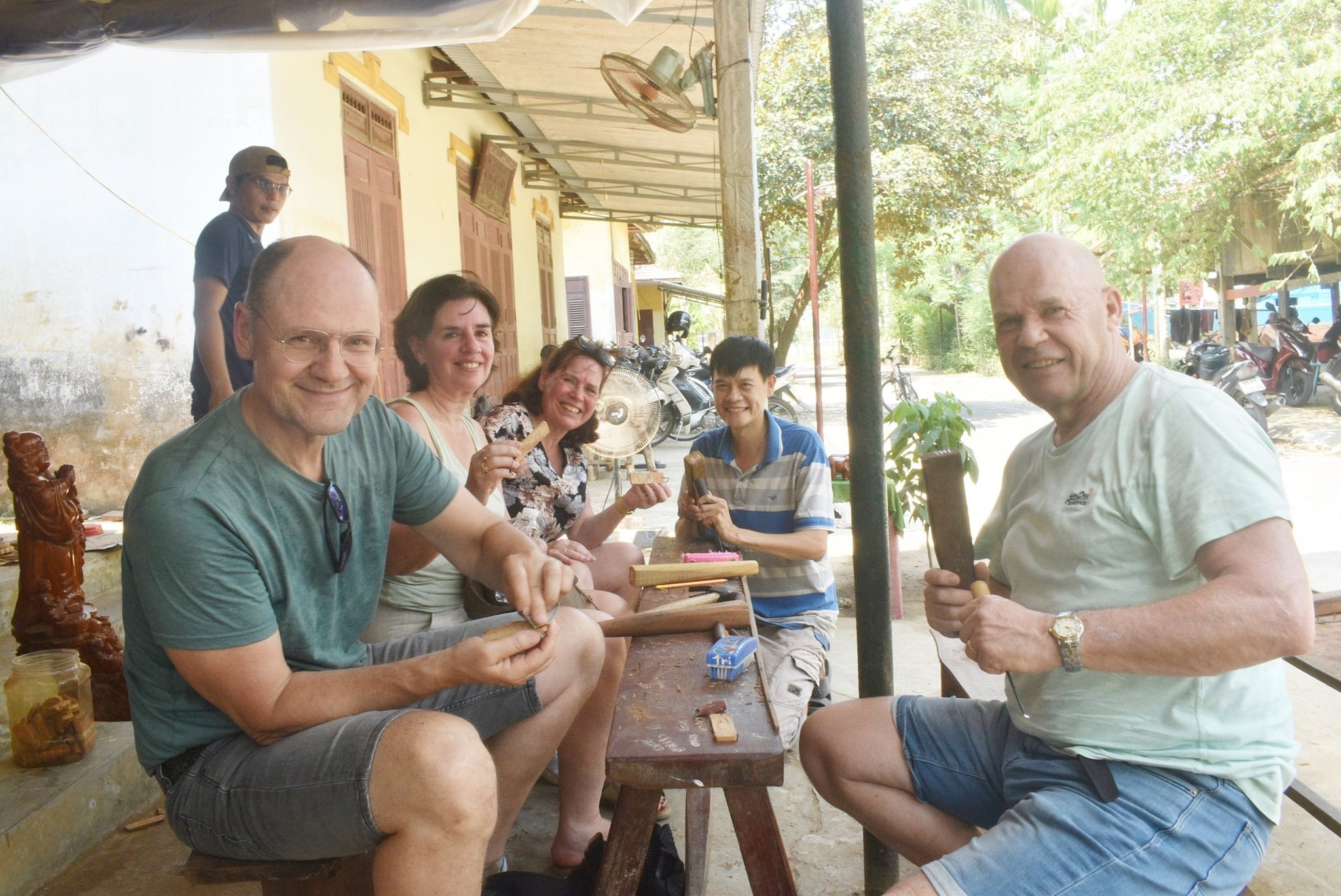
Visitors can work alongside farmers, learn traditional cultivation techniques and experience everyday life in the fields. The experience gives farmers an additional source of income. It also allows them to share knowledge that has been passed down through generations.
In a similar vein, Sa Dec in Dong Thap offers another distinctive model. The flower-growing tradition in Tan Quy Dong has shaped the local landscape for more than a century.
Today, the 85-hectare flower village is home to more than 2,000 varieties of flowers and ornamental plants. Its raised growing system, developed to cope with seasonal flooding in the Mekong Delta, has become part of the destination’s identity.
Visitors come to see and buy flowers, yet they also discover the agricultural culture of the river region. Community-based tourism is creating similar opportunities in Thai Hai, a traditional Tay community in Thai Nguyen Province.
Recognised by UN Tourism as one of the Best Tourism Villages in 2022, Thai Hai preserves more than 30 traditional stilt houses and a communal way of life shared by several generations.
Tourism revenue supports a common fund for heritage preservation, including traditional Then singing, stilt houses and Tay traditional medicine.
The Lo Lo Chai Village in Tuyen Quang Province shows how tourism can also help protect historic architecture. Named one of UN Tourism’s Best Tourism Villages in 2025, the village has turned traditional homes into family-run homestays.
More than 50 of its 120 households now participate in community tourism. Visitors stay in centuries-old houses, experience local hospitality and discover Lo Lo culture. Their spending helps families maintain traditional buildings and create livelihoods at home.
These above-mentioned villages tell a powerful story. When travellers choose authentic experiences and spend directly with local people, tourism can help keep traditions alive, strengthen livelihoods and give heritage a future.