



Gửi bình luận
DNO - Technology has currently appeared in most of the travelers' "digital journey", from searching for destinations, planning itineraries, booking services and making payments to the post-trip experience and sharing.
Enriching tourism experiences
In his message for the World Tourism Day 2026 (27 September) which is under the theme “Digital Agenda and Artificial Intelligence to Redesign Tourism,” UN Secretary-General António Guterres said artificial intelligence (AI) is changing how travellers choose destinations, how the industry operates, and how travel experiences are designed.
Besides, he confirmed that technology can strengthen small businesses, improve services and create new opportunities. Yet left unchecked, it can funnel tourists to the same few places and platforms, leaving many worthwhile destinations behind. Technology must serve humanity, bring benefits to workers and communities, and destinations.
The Vietnam National Authority of Tourism recently cited data from Amadeus indicating that 18% of travelers have used AI for their trip planning, while 36% have used it for new destination discovery.
This signifies a shift in competition among destinations, from "appearing in search results" to “being recognised, recommended, and connected within data and AI ecosystems”.
The Vietnam National Authority of Tourism has announced that this agency is developing a tourism data ecosystem based on the "1+34+N" model.
This features a national data platform that connects data from 34 provinces and cities, as well as from ministries, sectors, and businesses.
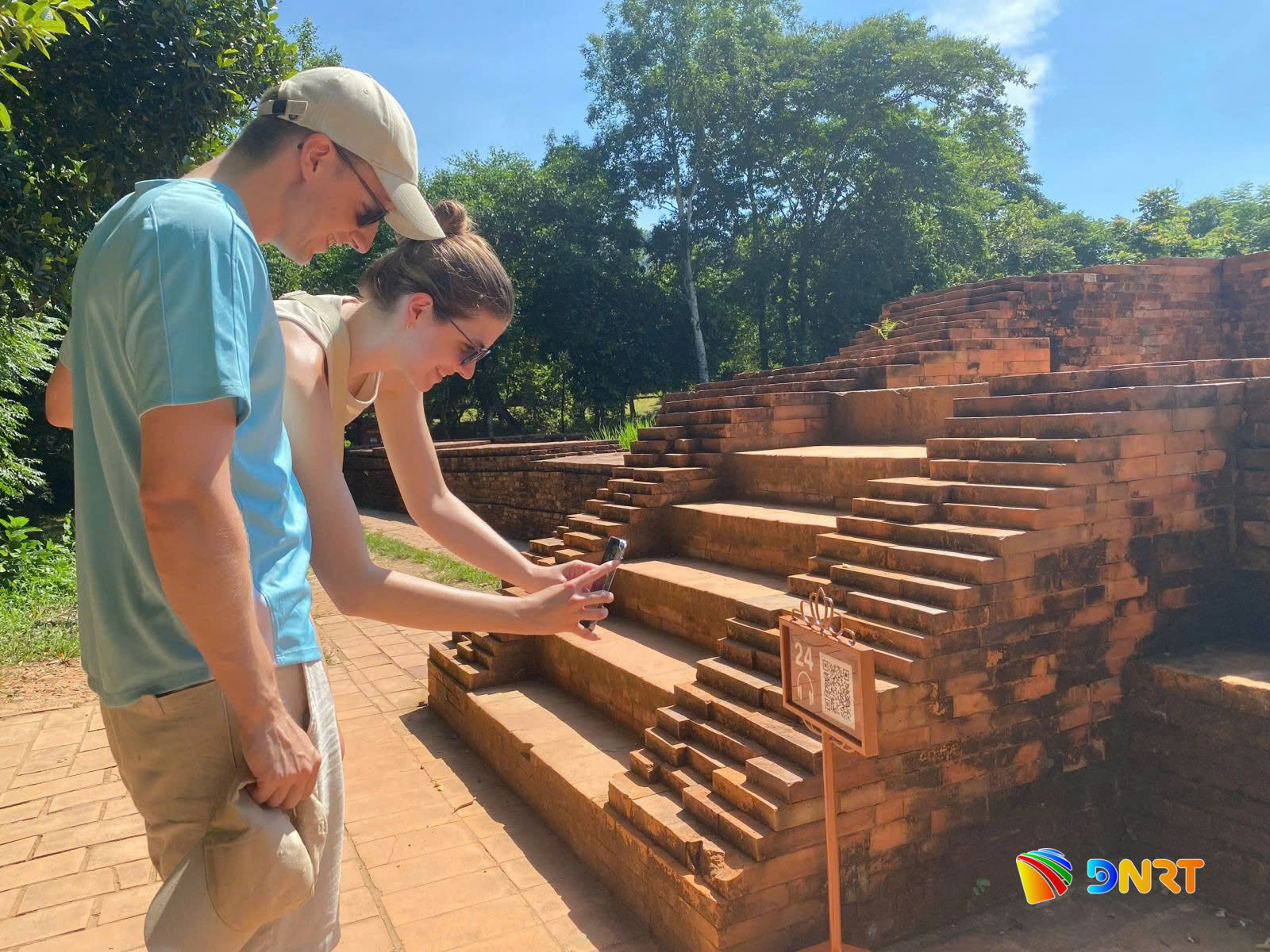
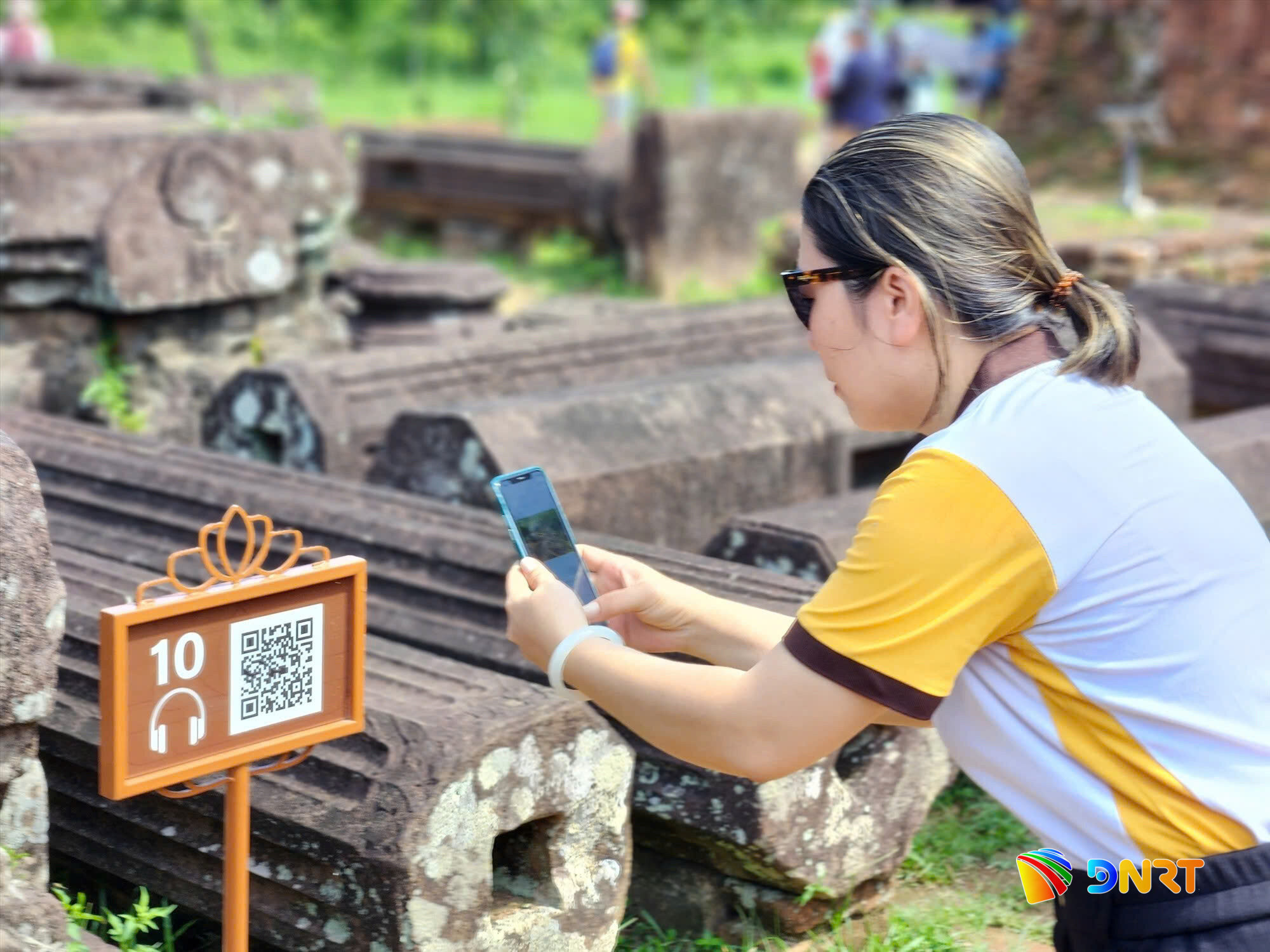
The shared digital ecosystem includes the "Vietnam Travel" application, a tourism database, an operational dashboard, a tourism management and trade platform, the smart travel card, e-tickets, and a multimedia messaging/audio-visual guide system.
Building a "digital journey" for tourists
At the destination level, Da Nang has gradually transformed from isolated applications to the creation of a technology ecosystem that supports tourism management and promotion and the visitor experience.
The VR360 AI smart digital tourism map is one such example. This system integrates GIS, VR360 and 3D spaces, an AI assistant, and a virtual host, with a focus on over 25 distinct features.
Thereby, tourists can search for destinations, view virtual reality spaces, navigate directions, receive itinerary suggestions, interact with an AI chatbot, and listen to narration delivered by a multilingual virtual host.
Alongside, Da Nang tourism is deploying a Customer Data Platform, the "Danang FantastiCity" AI chatbot, and an AI-integrated "Auto Guide" for Da Nang cyclo tours.
Besides, the city is piloting a series of smart tourism applications, including the "PayD smart tourism finance application" developed by PAYD Joint Stock Company and TORA, an intermediary solution for converting USDT to VND and vice versa.
According to a representative from a Da Nang-based travel company, technology facilitates tour sales while reshaping product design.
Data on market trends, search behavior, and customer needs allows businesses to identify what travelers pay attention to, their length of stay, spending habits, and preferred types of experiences.
While AI can assist with initial consultations, itinerary planning, and customer support, the human element remains essential for experiences rooted in local culture, interaction, and situational problem-solving.
Da Nang's tourism digital transformation aims to build a data ecosystem connecting management agencies, businesses, and tourists. The city will leverage this data to enhance market forecasting capabilities, personalize information, and manage destination quality.
In the first eight months of 2026, accommodation establishments in Da Nang served approximately 14.247 million visitors, an increase of 24.9% compared to the same period last year. Of this figure, international visitor arrivals accounted for 6.884 million, up 26.3%. Revenue from accommodation and food services reached approximately VND 46.932 trillion, a rise of 25.1%.