Gửi bình luận
DNO - Following the administrative restructuring, Hai Van Ward possesses significant potential for tourism development in the northwest of Da Nang.

Convergence of river, mountain, and sea
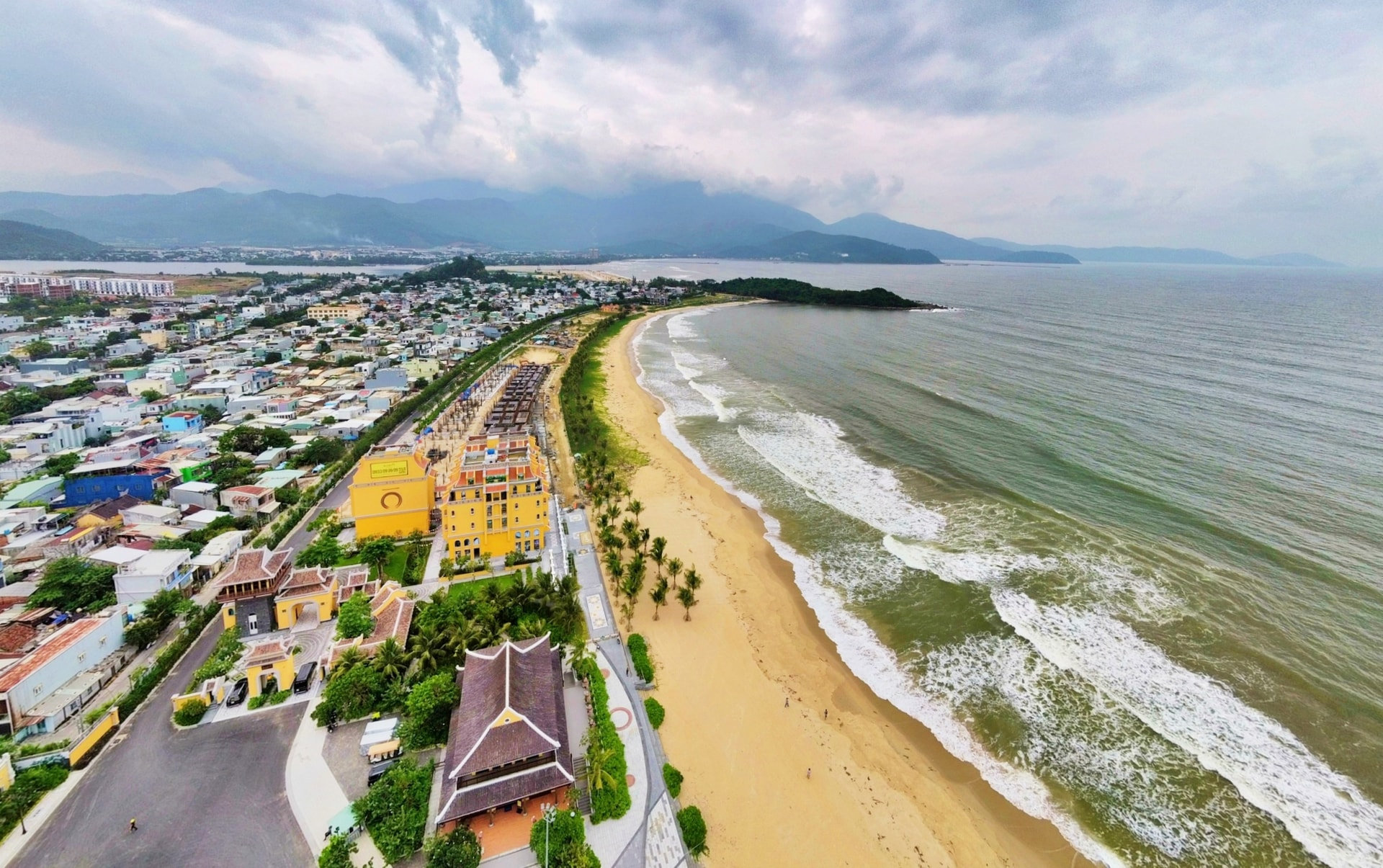
Hai Van Ward boasts a unique combination of rivers, forests, mountains, and sea, along with abundant local produce, enjoying rare advantages for developing diverse tourism products.
In particular, along the Cu De River, the largely untouched natural scenery, combined with rural landscapes and a rich ecosystem, creates favorable conditions for eco-tourism and experiential travel.
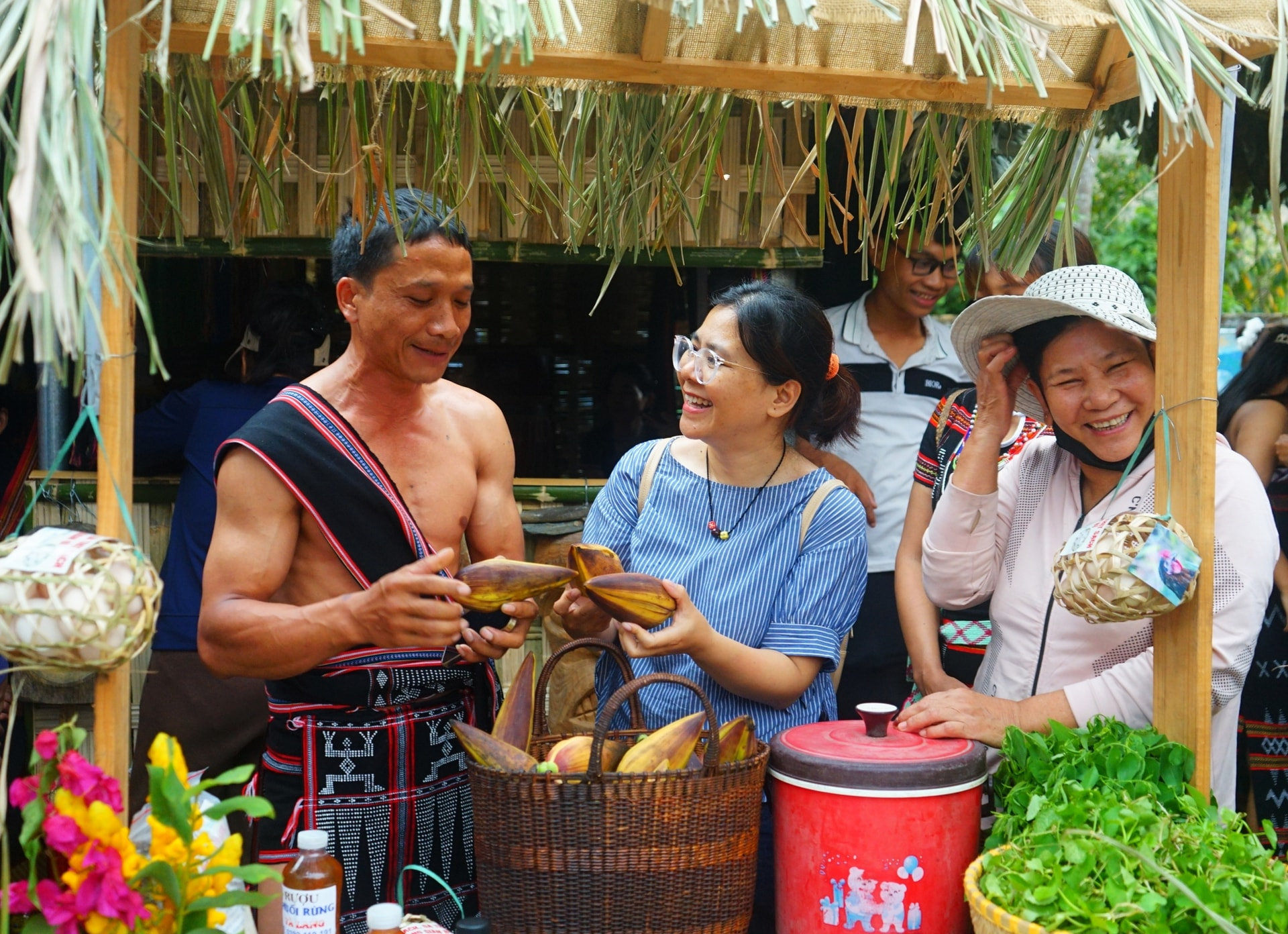
For years, the Co Tu community in Ta Lang and Gian Bi residential groups in the ward has gradually embraced tourism development.
Through flexible approaches, local residents have step by step preserved and promoted their traditional cultural values, building tourism rooted in pride in their ethnic identity.
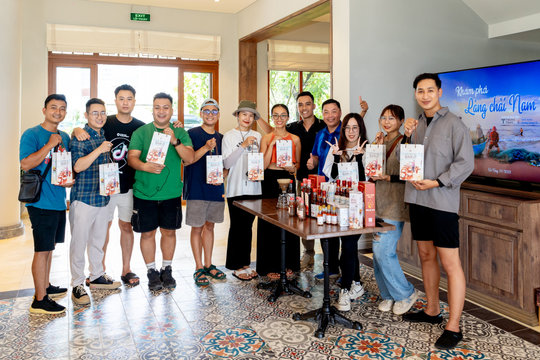
The ward is also closely associated with the long-standing heritage of Nam O Village, known for its traditional fish sauce making craft and a system of cultural relics, including the Hai Van gate. This blend of natural resources and deep-rooted cultural values is shaping a distinctive tourism identity aligned with current travel trends favoring authentic experiences.
Mr. Bui Van Xuan, Director of Leaf Village & Farm, stated that “The authenticity and simplicity of the Co Tu people create a distinct appeal. Combined with fertile soil suitable for agriculture and the poetic scenery of the Cu De River, these advantages form a strong foundation for sustainable tourism development”.
Tourism development rooted in preservation of original values
Under its 2025 - 2030 development strategy, Hai Van Ward has identified tourism as a key economic sector, with a focus on sustainable growth linked to preservation.
The locality plans to create attractive tourism products that capitalize on the area’s sea, mountain, and river landscapes, while preserving the cultural identity of the Co Tu community, fishing village traditions, craft villages, and local heritage sites.
The locality is also accelerating key tourism projects, including those along the Hai Van Pass route, Chim Hill tourism area, Suoi Luong community-based tourism site, Lang Van integrated resort, and Nam O eco-tourism area.
In addition, the ward prioritizes the development of marine sports and water-based recreational activities along Nguyen Tat Thanh coastal route. It also plans to manage and utilize tourism at Sung Co Beach and Mui Da tourist sites as well as develop Hon Son Cha Con into a high-end eco-resort island associated with environmental and landscape conservation.
Simultaneously, efforts are underway to establish display venues for tourism products and to encourage local households to develop high-quality agricultural and traditional craft products such as Nam O fish sauce, bamboo weaving, brocade weaving, and wood carving to serve tourism.
The ward also aims to organize annual tourism events to attract visitors, including Co Tu traditional festivals (new rice celebration and oath-taking ceremonies), traditional boat races on the Cu De River, and the Nam O Cau Ngu (Whale Worshipping) Festival.
According to Mr. Bui Van Xuan, Director of Leaf Village & Farm, building on existing foundations, the locality should effectively utilize its spatial advantages to develop tourism products tied to Co Tu culture such as traditional dances, musical instruments, and cuisine, thereby creating experiential destinations for students and visitors while preserving and spreading indigenous cultural values.