

Gửi bình luận
DNO - With convenient air links, a wider range of tourism products and strong regional demand, Da Nang is seeking to attract more visitors from Southeast Asia and reduce seasonal fluctuations in arrivals.

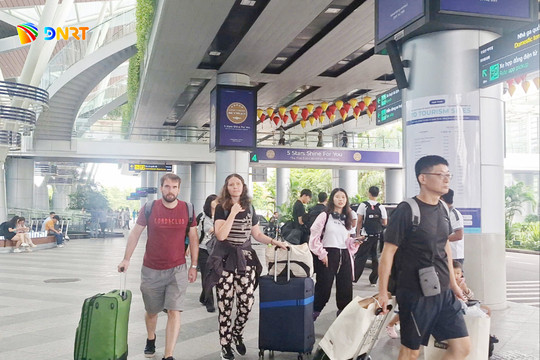
In the first months of 2026, Southeast Asian markets contributed nearly 600,000 international visitor arrivals to the central Vietnamese city, with Thailand and the Philippines emerging as its two largest markets in the region.
Thailand topped the list with 225,062 visitors, up approximately 23% year on year, followed by the Philippines with 208,279, highlighting the importance of regional travelers to Da Nang’s international tourism growth.
Air connectivity is helping strengthen the Thai market. Da Nang and Bangkok are currently linked by 48 round-trip flights a week. From December 2026, Thai Airways is expected to launch a Bangkok - Da Nang service operating twice daily, potentially creating more opportunities for tourism exchanges and business cooperation between the two destinations.
Ms. Nguyen Thi Hoai An, Deputy Director of the Da Nang Department of Culture, Sports and Tourism, said the city’s expanded administrative boundaries had brought a richer range of tourism resources, including distinctive cultural and heritage attractions.
Alongside beach holidays, Da Nang offers cultural tourism, golf, meetings, incentives, conferences, and exhibitions (MICE), cuisine, wedding tourism and wellness experiences.
A year-round calendar of festivals and international events further broadens its appeal. These strengths provide opportunities to develop products tailored to Thai travelers rather than relying solely on conventional sightseeing packages.
Thailand also sees Vietnam as a strategic source market. A representative from the Tourism Authority of Thailand (TAT), said Vietnam had considerable growth potential, supported by economic development, a growing middle class, and improvements in tourism infrastructure.
The Philippines is another important market for Da Nang. The city’s beaches, resorts, family-friendly activities, food, and entertainment offerings align well with the preferences of Filipino travelers.
However, arrivals from the Philippines peaked in April before declining slightly over the following three months, reflecting seasonal fluctuations after the April - June high season.
This trend highlights the need for Da Nang to complement air connectivity with targeted promotional campaigns during quieter periods and tourism products that encourage year-round visits.
While Thailand and the Philippines lead in visitor numbers, other Southeast Asian markets, including Indonesia, Laos, Myanmar, Cambodia, Brunei, and Timor-Leste, have distinct characteristics that call for more targeted tourism strategies, according to the Da Nang Department of Culture, Sports and Tourism.
Visitor arrivals from Indonesia peaked in March before declining and stabilizing at around 5,000 - 6,600 a month. Myanmar, meanwhile, is considered a market with considerable potential, thanks to its geographical proximity, visa-free access for visitors and direct air links with Da Nang.
Ms Mai Thi Thanh Hai, Deputy Director of the Da Nang Tourism Promotion Centre, said the Yangon - Da Nang route had increased its frequency from two to four flights a week, facilitating visitor exchanges and tourism cooperation.
According to May Thet Lin, Vice President of the Myanmar Tourism Federation, Myanmar travelers were particularly interested in beach holidays, resort stays and spicy cuisine. Tourism businesses should therefore design itineraries that allow visitors more time to relax and enjoy their destinations.
As assessed by Nguyen Son Thuy, Director of Visit Indochina, a tour operator active in Southeast Asian markets, Da Nang had significantly diversified its international visitor base, attracting growing numbers of travelers from across the region.
However, each market differs in travel preferences, seasonality, spending power, behavior, and air connectivity. Tourism promotion should therefore move away from a one-size-fits-all approach towards strategies tailored to individual markets.
For visitors from Muslim-majority countries, particularly Malaysia and Indonesia, meeting specific needs related to food, religious practices, communication, and prayer facilities is essential.
Respect for cultural differences also plays an important role in shaping the visitor experience. This requires more specialized training for tourism workers, covering not only foreign languages and professional skills but also Islamic culture, Halal standards, cross-cultural communication, and appropriate ways to handle intercultural situations.
By combining improved connectivity with market-specific products, culturally informed services and more targeted promotion, Da Nang can strengthen its appeal across Southeast Asia and build more resilient international tourism markets.