

Gửi bình luận
DNO - The green transition in tourism extends beyond conserving resources, reducing waste, or reshaping operational practices at business establishments. By leveraging indigenous assets, such as agricultural products, traditional crafts, local culture, and tourism service chain, Da Nang aims to become a sustainable and green destination.
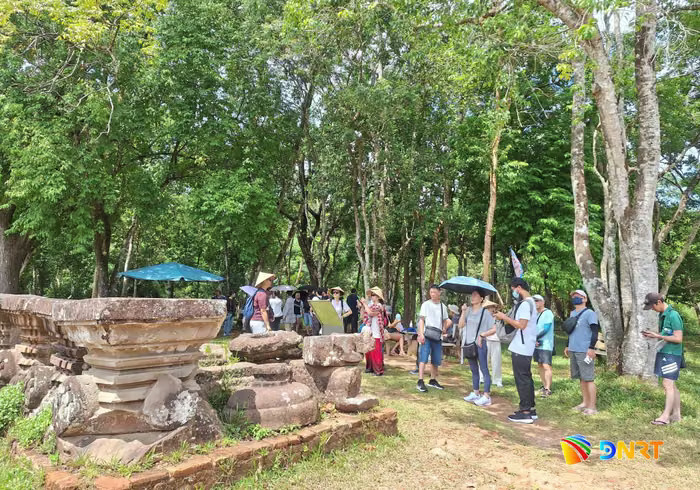
Da Nang boasts a diverse space for tourism development, ranging from urban areas, coastal zones, cultural heritage sites, craft villages to mountainous ecosystems.
These advantages create opportunities to develop products that align with unique characteristics of each locality. This allows visitors to gain a deeper understanding of local life rather than visiting familiar destinations.
According to the Da Nang Department of Culture, Sports and Tourism, the city’s tourism sector aims to strengthen connections among accommodation providers, travel agencies, transport operators, restaurants, eco-tourism sites, craft villages, and local communities for local green tourism development.
Alongside, OCOP (One Commune, One Product) items, local agricultural produce, and authentic cultural experiences should be present in programs for serving tourists.
Mr. Nguyen Son Thuy, Director of Visit Indochina, affirmed that when the local hotels and resorts proactively apply Da Nang Green Stay, the impact goes beyond individual establishments; it contributes to making the entire destination greener.
Alongside, local travel agencies can prioritize featuring businesses with strong green practices in their product list, catalogs, tour itineraries, and international promotional activities.
Furthermore, stakeholders can collaborate to design packages that combine green accommodation with community-based experiences, local cuisine, and environmental conservation initiatives.

At La Siesta Hoi An Resort & Spa, single-use plastic water bottles in guest rooms are replaced with glass bottles, while plastic bin liners are swapped for newspaper.
In addition, toothbrushes and combs are made from eco-friendly materials, and shampoo and body wash are provided in ceramic jars, replacing single-use plastic bottles.
Additionally, woven straw bags are made available for guests to use during beach visits and can be reused.
According to Deputy Director of the Da Nang Department of Culture, Sports, and Tourism Nguyen Thi Hoai An, the development of tourism products must parallel the conservation of landscapes and ecosystems, the preservation of cultural identity, and the empowerment of local residents as the primary stakeholders.