
Gửi bình luận
DNO - Many organizations, localities and communities across Da Nang are currently seeking funding and connecting resources to mobilize support for sustainable development projects, including a number of green tourism initiatives.
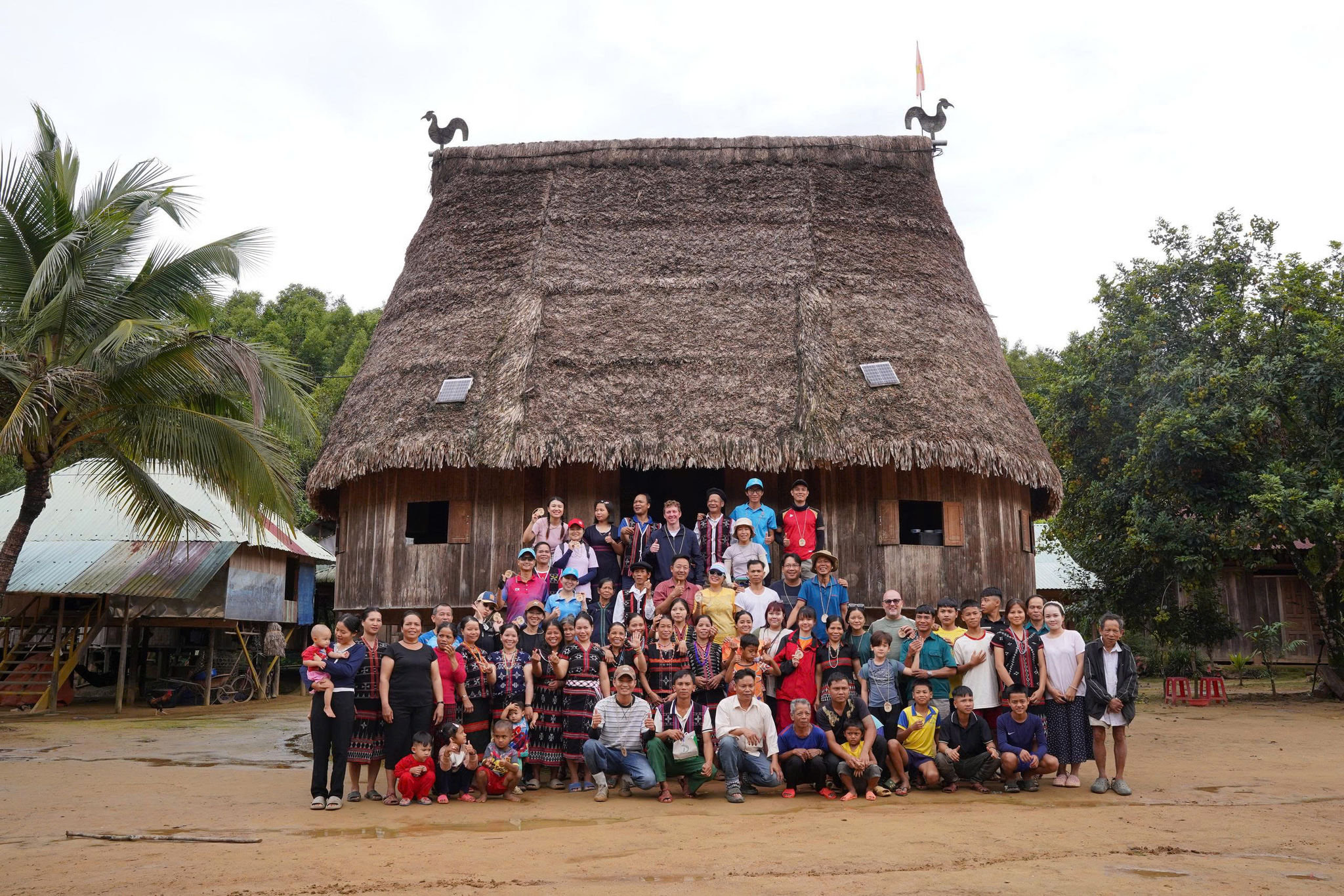
A project on improving sustainable livelihoods for the Co Tu community in Au’r Village, Avuong Commune promotes indigenous cultural tourism combined with nature-friendly agricultural and forestry production.
It is one of three projects recently selected for funding by the Da Nang Union of Science and Technology Associations, the Center for Adaptive Capacity Building (CAB) and the Friedrich-Ebert-Stiftung (FES) Vietnam.
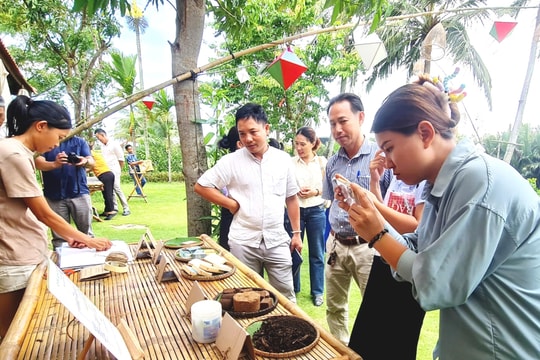
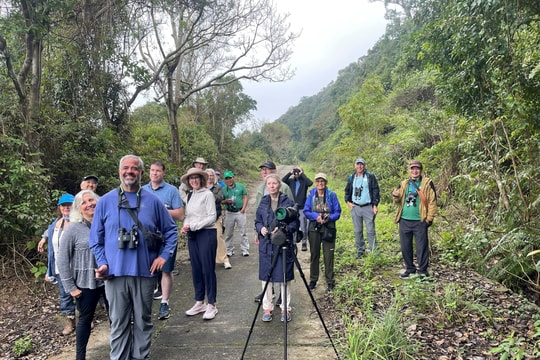
As part of the project, more than a month ago, the Truong Son Co Tu Cultural Tourism and Agricultural Cooperative successfully organized a pilot experiential tour in Au’r Village.
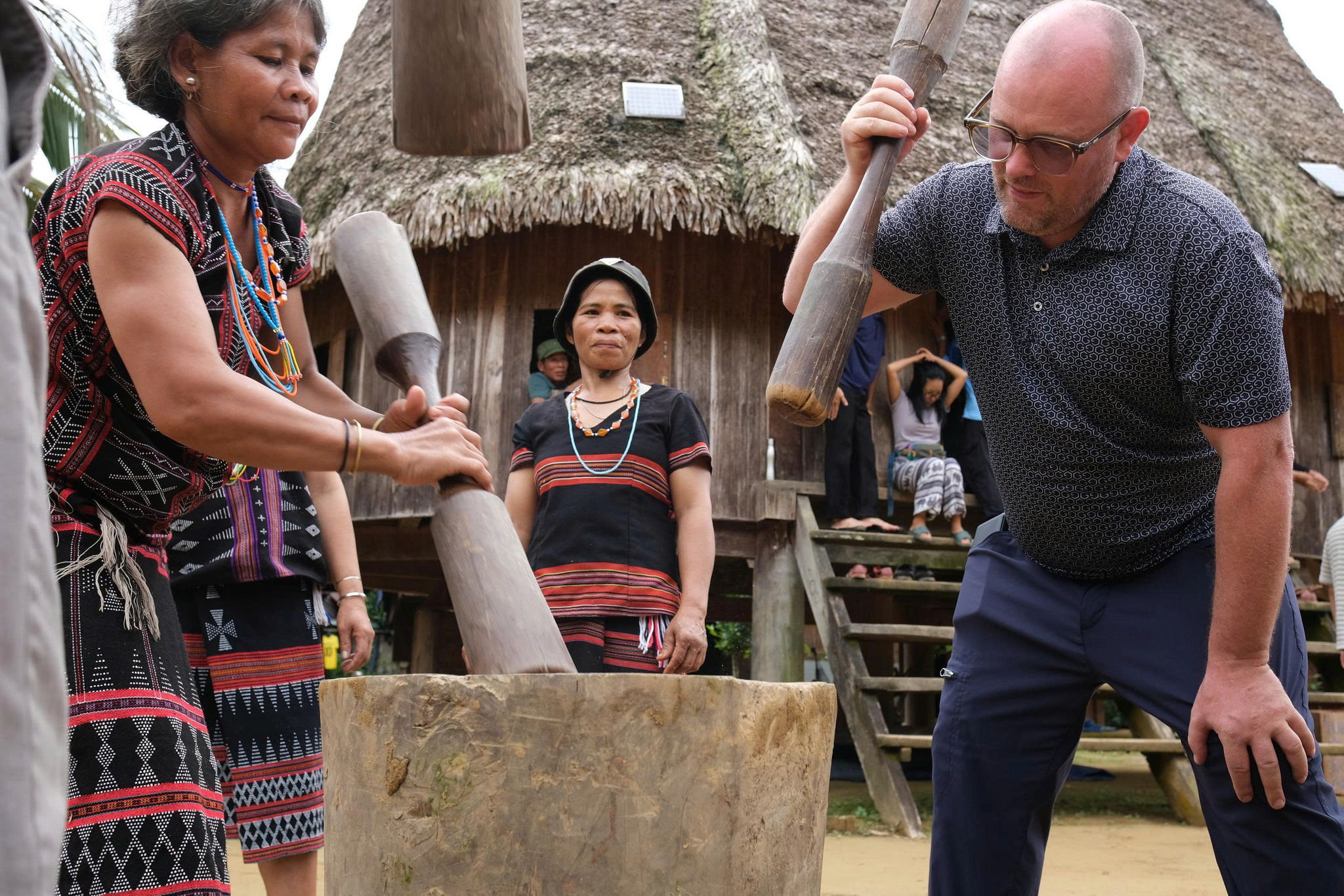
Visitors had the opportunity to immerse themselves in the daily life of the Co Tu people, explore pristine forests, experience local agricultural activities, and discover traditional culture and indigenous cuisine.
The inaugural tour has generated confidence and expectations for developing community-based tourism and creating sustainable livelihoods for local residents.
In other localities, although funding support has yet to be approved for actual implementation, many organizations and project teams have received feedback and assistance in completing proposals to mobilize resources for new projects or subsequent phases.
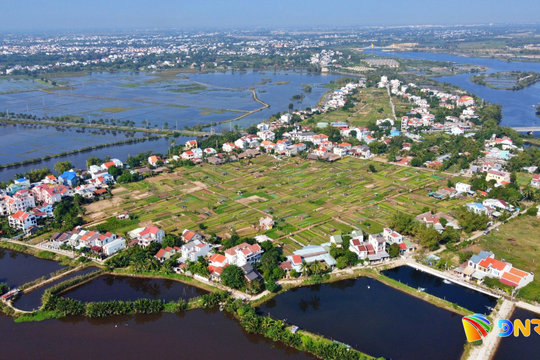
For instance, the Binh Nam Agricultural Services Cooperative is seeking resources to implement a project to develop lotus-growing areas in combination with ecotourism and deep processing in Thai Dong Village, Thang Truong Commune.
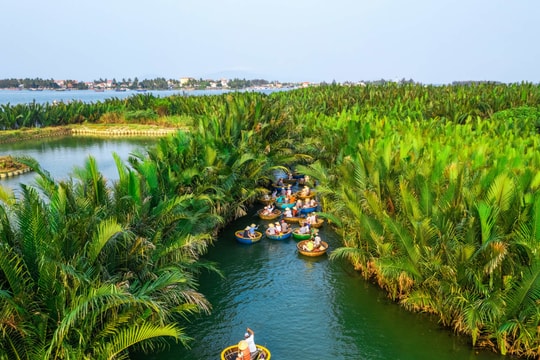
Meanwhile, the Hoa Bac Ecological Agriculture and Community-based Tourism Cooperative in Hai Van Ward is also mobilizing resources to expand a community-based educational tourism model with a focus on emissions reduction.
The “Greening Da Nang’s Tourism and Service Sector” project, developed by the IFAP team under the Song Han Incubator, focuses on piloting the green transition in the hotel and food and beverage sectors.
The project is currently receiving support in identifying mentors and partners as it continues to mobilize resources for practical implementation.
.jpg)
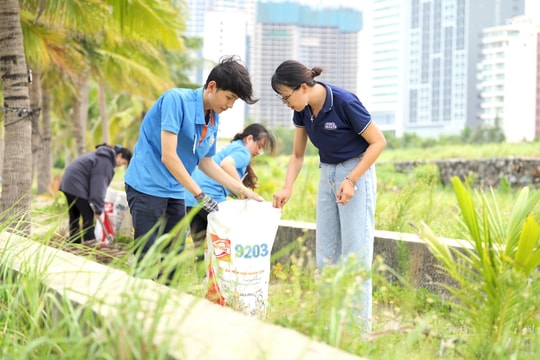
The project aims to help transform hotels, restaurants and other tourism establishments into green tourism facilities, with priority given to greener waste management, water conservation, efficient and economical energy use, and the promotion of green consumption.
Ms. Vo Thi To Nhu, a representative of the IFAP team, said that the adoption of “green transition” practices by hotels and restaurants would create a ripple effect throughout the tourism community and drive the implementation of the “Da Nang Green Stay” criteria for tourist accommodation establishments.
The municipal Department of Culture, Sports and Tourism reported that, in addition to implementing the “Da Nang Green Stay” criteria, it is collaborating with local authorities and relevant units to refine policies and mechanisms that foster green and sustainable tourism, while encouraging businesses to participate in green and responsible tourism initiatives.
The Department is also proactively expanding partnerships with domestic and international organizations and local governments to attract the technical and financial resources needed to carry out green tourism development projects.
Da Nang has launched a Zero-Waste Tourism Network which has attracted more than 100 participating businesses.
The tourism sector has been developing and expanding networks to connect stakeholders and mobilize resources for green tourism development. The city is working toward building a green tourism ecosystem across its expanded development.