.jpg "Da Nang steps up biodiversity conservation and eco-tourism development")
Gửi bình luận
DNO - Following its administrative merger with Quang Nam Province, Da Nang has emerged as a standout example in Vietnam’s green transition journey.
Da Nang not only boasts a modern and dynamic tourism infrastructure but also inherits an important legacy: The Set of Green Tourism Criteria of Quang Nam.
Based on 25 sets of international criteria for reference and adjustment to suit local practices, the Set of Green Tourism Criteria has marked a major milestone in promoting sustainable tourism practices in Vietnam.
Over the past years, local businesses applying the Green Tourism Criteria have achieved clear economic results. The Silk Sense Hoi An River Resort is a typical example. By seriously practicing the criteria in just a few years, the resort was recognized by Travelife as meeting international sustainable tourism standards in late 2023 and was also labeled "Sustainable Accommodation" by Booking.com.
These green transformation efforts have brought specific results. In particular, the number of room bookings in 2024 increased by 30% year-on-year, and revenue rose by 40%. Meanwhile, operating costs, especially energy and waste treatment, declined by 20% in 2025.
Other accommodation models such as La Siesta and Almanity, plus numerous homestays and villas in Hoi An have also achieved sustainability certifications and recorded significant growth, with an average increase in bookings of 30% in 2025.
To date, 33 businesses have been certified under the Quang Nam Green Tourism Criteria - a modest number but with great influence in the tourism business community.
However, as a host of large-scale international events and festivals, Da Nang faces risks of destination overload, increased waste and commercialization of indigenous cultural values.
In addition, infrastructure supporting green tourism such as modern waste-water treatment systems, low-emission vehicles or renewable energy has yet to keep pace with tourism growth.
Another challenge is the shortage of human resources with expertise in sustainable tourism management and practices, while small and medium-sized enterprises still struggle with the resources required for green transition.
In response, the city is completing the new Set of Green Tourism Criteria on the basis of inheriting Quang Nam’s pioneering framework and adjusting it to align more closely with the Global Sustainable Tourism Council (GSTC) standards.
This standardization aims not only to unify green practices throughout the city after the merger, but also helps businesses reduce time and save resources when accessing international sustainability certifications.
At the same time, Da Nang is prioritizing investment in green infrastructure, expanding sustainable public transport, and developing East-West regional connections to ease pressure on the city center and Hoi An.
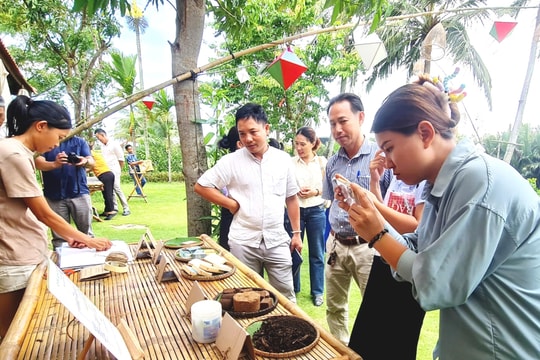
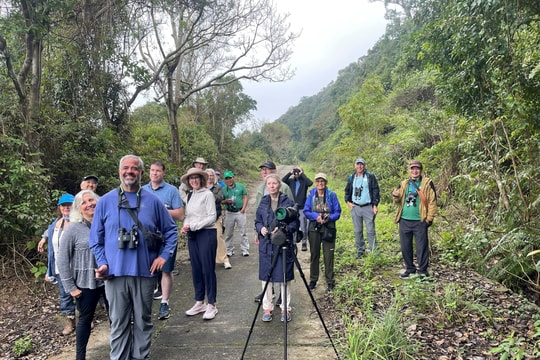
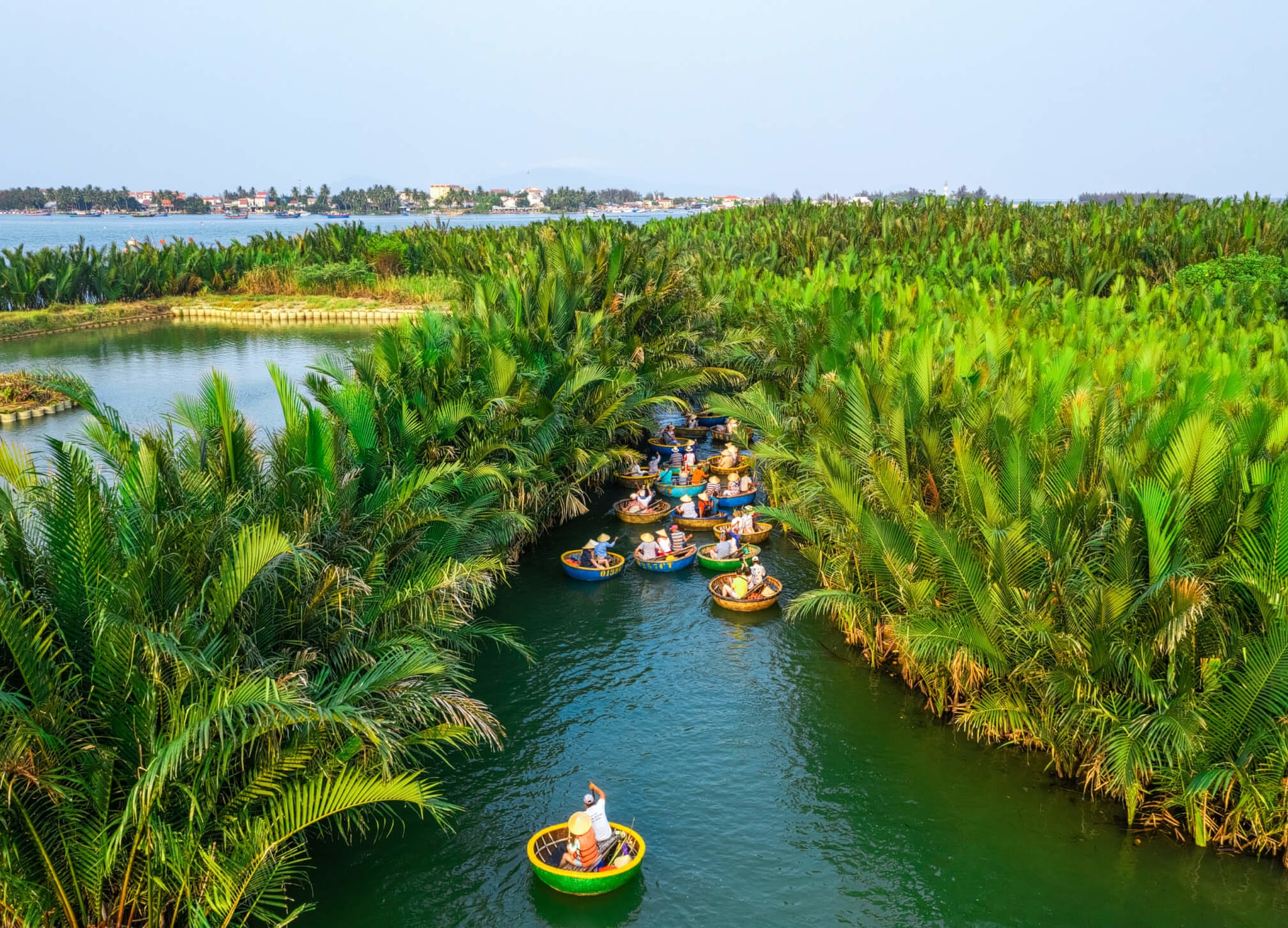
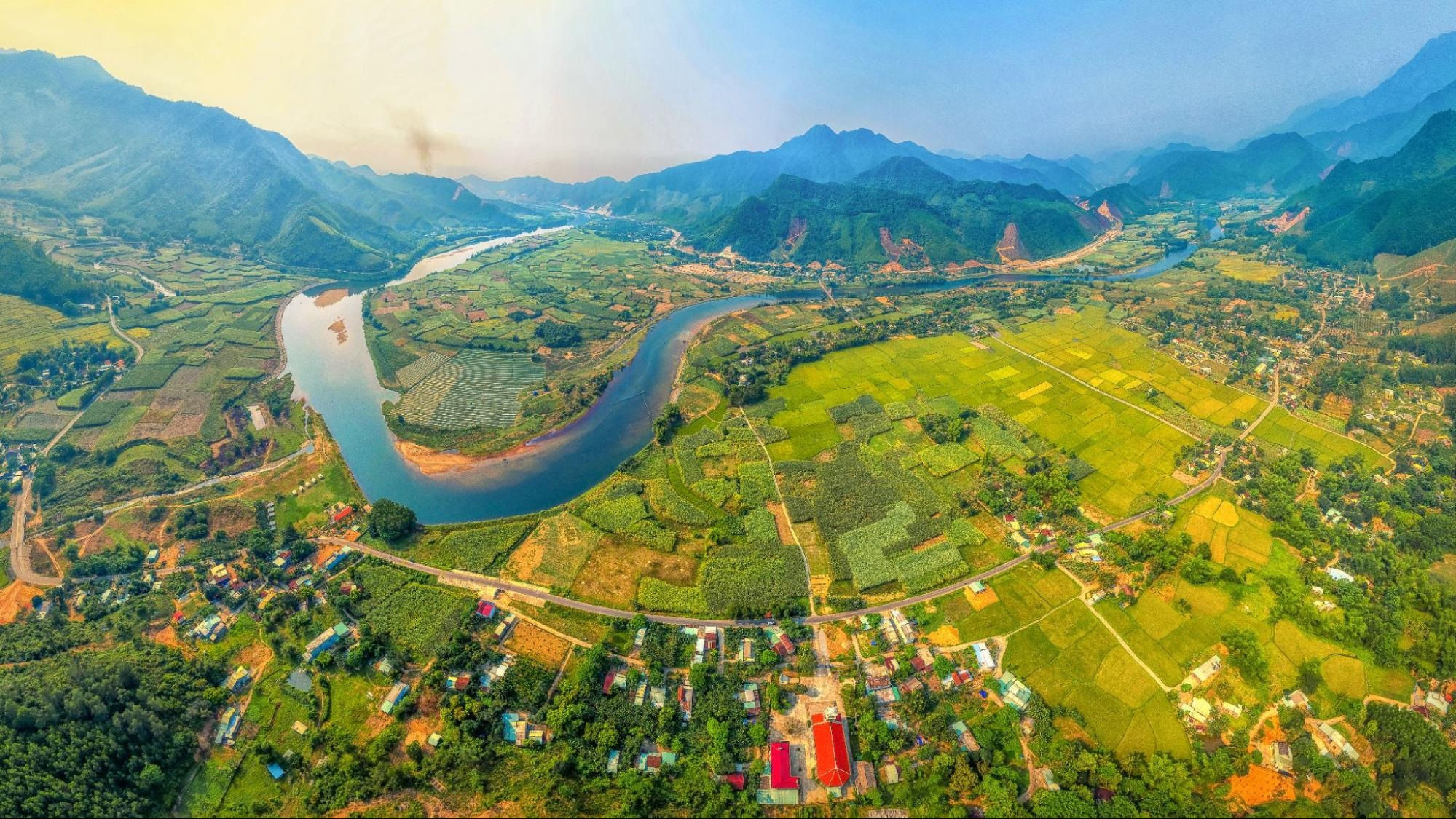
The city is also strongly promoting eco-tourism, community-based tourism in mountainous areas, agricultural tourism, and OCOP-certified products.
A sustainable tourism development not only brings economic benefits but also contributes to nature conservation, cultural preservation and improved quality of life for local communities.
Da Nang's journey to the "green dream", therefore, is not only meaningful to the city itself but also becomes a source of inspiration for Vietnam’s tourism industry in the new era.