
.jpg "Yeongam, Da Nang eye stronger cultural, tourism ties")
Gửi bình luận
DNO - From forest-grown herbal tea to community-based seafood production, local women and cooperatives in Da Nang are turning natural resources and traditional knowledge into green livelihoods while contributing to biodiversity conservation.
.jpg)
In Song Vang Commune, Da Nang, home to Co Tu communities and areas close to natural forests and conservation landscapes, Ra Zeh vine tea is emerging as a distinctive local product.
Residents have begun growing, processing, packaging and promoting the herbal tea, bringing a plant traditionally associated with the forest into household gardens and organised production.
The tea is known locally as Ra Zeh. Its distinctive flavour and characteristics are associated with the local climate and soil conditions.
For international visitors interested in indigenous products, local food culture and responsible tourism, Ra Zeh offers a glimpse into how traditional knowledge can be connected with contemporary green economic models.
The Agriculture and Construction Ba Tu Cooperative is working with local residents to expand the cultivation and processing of Ra Zeh while reducing pressure on natural forest resources.
The cooperative purchases raw materials from gardens and planted forest areas before processing, packaging and marketing the finished tea.
On September 24, the GreenViet Biodiversity Conservation Centre signed a commitment to provide more than VND400 million (about US$15,000) to the cooperative to develop its Ra Zéh production and business model.
Cooperative Director Le Van Minh Loc said the funding would be prioritised for upgrading machinery and production facilities, while strengthening product quality, branding and promotion.
The cooperative hopes to turn Ra Zeh into a distinctive local product and create more stable income for Cơ Tu communities.
The support forms part of a broader project aimed at helping women in Central Vietnam improve their livelihoods while protecting the environment and natural resources through green and circular economic models.
The project is funded by the Delegation of the European Union to Vietnam and implemented by the Da Nang Union of Science and Technology Associations, GreenViet and Germany-based Visible Impact.
The project is creating opportunities beyond herbal tea. GreenViet has also committed more than VND400 million to the Hoa Bac Ecological Agriculture and Community Tourism Cooperative and more than VND270 million to the Son Tra Seafood Cooperative to develop green and circular production models.
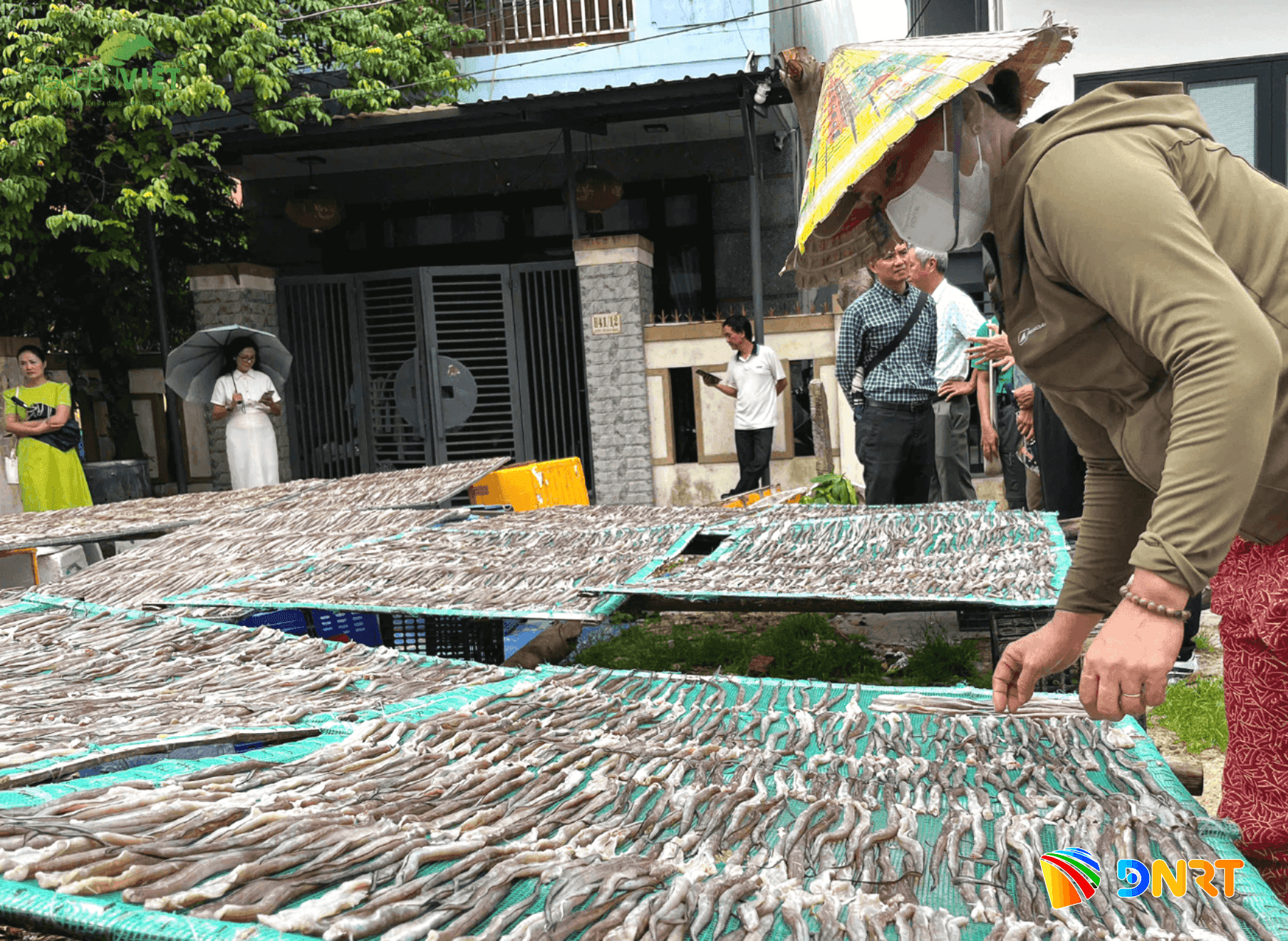
The Son Tra Seafood Cooperative was established in April 2026 by eight seafood producers and businesses after members took part in training and field visits on green and circular economic practices.
Its products have since been introduced at fairs and events, where they have attracted interest from visitors. The group will use funding to acquire a dryer with a capacity of around 100 kilograms a day, enabling it to improve production, food safety and product quality.
Members also plan to develop their brand and pursue OCOP certification. For visitors, these initiatives offer more than opportunities to purchase local products.
They provide a closer look at the communities behind Da Nang's food, agricultural and cultural experiences, where traditional knowledge is increasingly being linked with environmental responsibility.
The wider project, running from 2025 to 2028, aims to strengthen women's capacity in green and circular economic practices, connect them with domestic and international experts, and provide resources for sustainable livelihood initiatives.
Earlier project activities have included training in green and circular economies and community development based on local assets.
.jpg)
According to Gonzalo Serrano De la Rosa, Deputy Head of Cooperation at the EU Delegation to Vietnam, the project had already delivered practical benefits to local communities and identified potential for expanding the models.
Future activities will include support for improving product quality, registering geographical indications and meeting quality standards to access wider markets.
The project connects livelihoods with conservation, showing how local communities can improve their incomes while protecting the forests, biodiversity and natural resources that sustain them.
For Da Nang, this approach adds a new layer to the city's tourism story, one that connects visitors with Co Tu heritage, locally made products, rural communities and nature conservation, while helping ensure that the value generated from these resources remains with the people who know them best.