
Gửi bình luận
DNO - As part of its working visit to Australia, the Da Nang delegation, led by Deputy Secretary of the municipal Party Committee Ngo Xuan Thang, on November 4 had a meeting with leadership representatives of the University of Queensland.
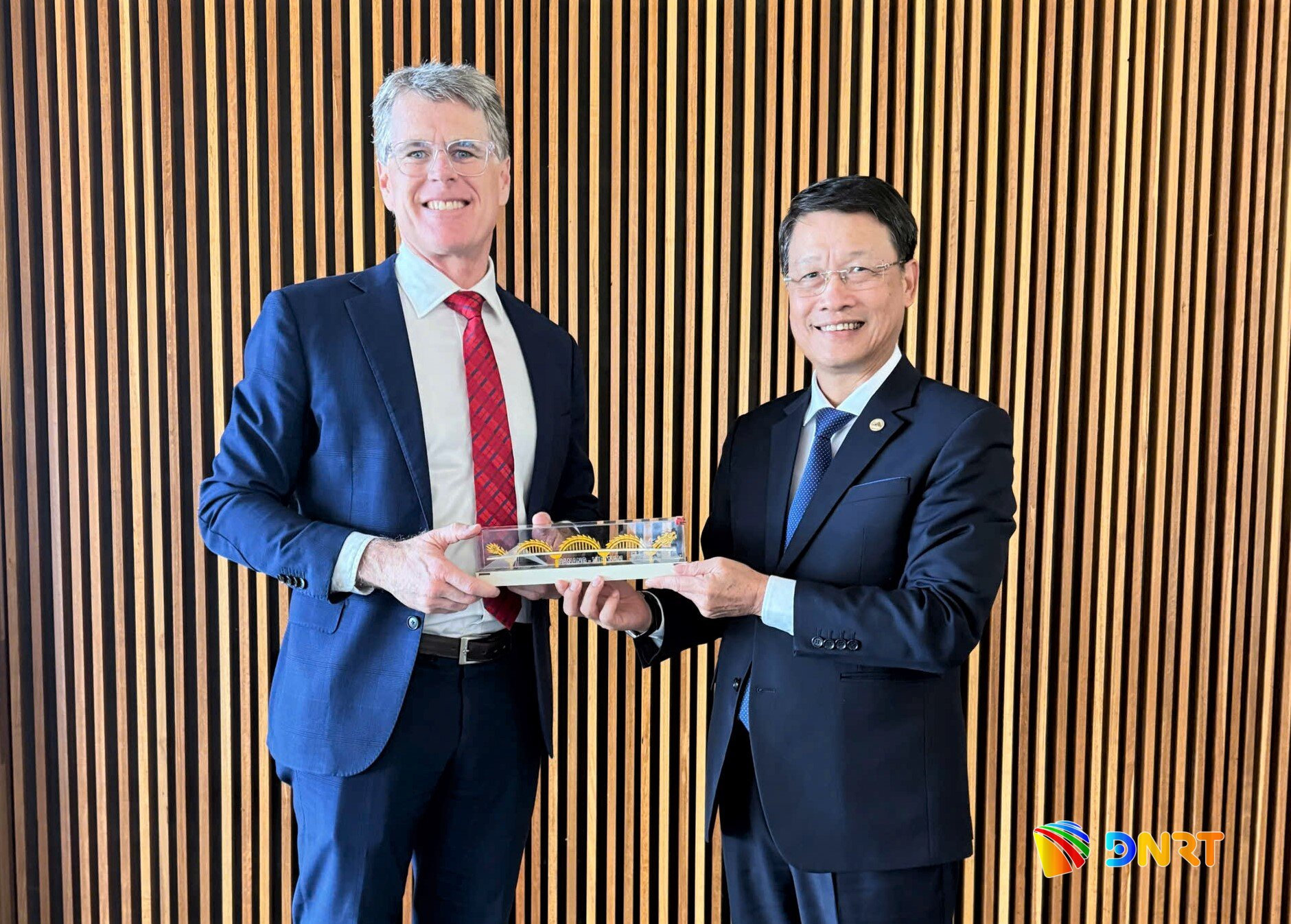
The Da Nang delegation also included Vice Chairman of the municipal People's Committee Ho Quang Buu, along with representatives of the city's relevant departments and agencies.
Discussions at the meeting focused on orientations for cooperation in bilingual education, human resource development, artificial intelligence (AI), applied research, and the medicinal materials industry between Da Nang and the University of Queensland.
At the meeting, a representative of the University of Queensland expressed his pleasure at welcoming the Da Nang delegation and reaffirmed the university's continued promotion to its established cooperation with the city.
Also, he announced that the university currently has approximately 60,000 students, more than 8,500 staff members, and a global alumni network of 370,000. It is also ranked among the world's top 50 universities according to the QS World University Rankings.
Alongside, the university's key research strengths consist of agriculture, life sciences, medicine and pharmaceuticals, energy, AI, and research commercialization.
Furthermore, the university places strong emphasis on fostering partnerships among government, universities, and businesses to turn scientific achievements into practical applications.
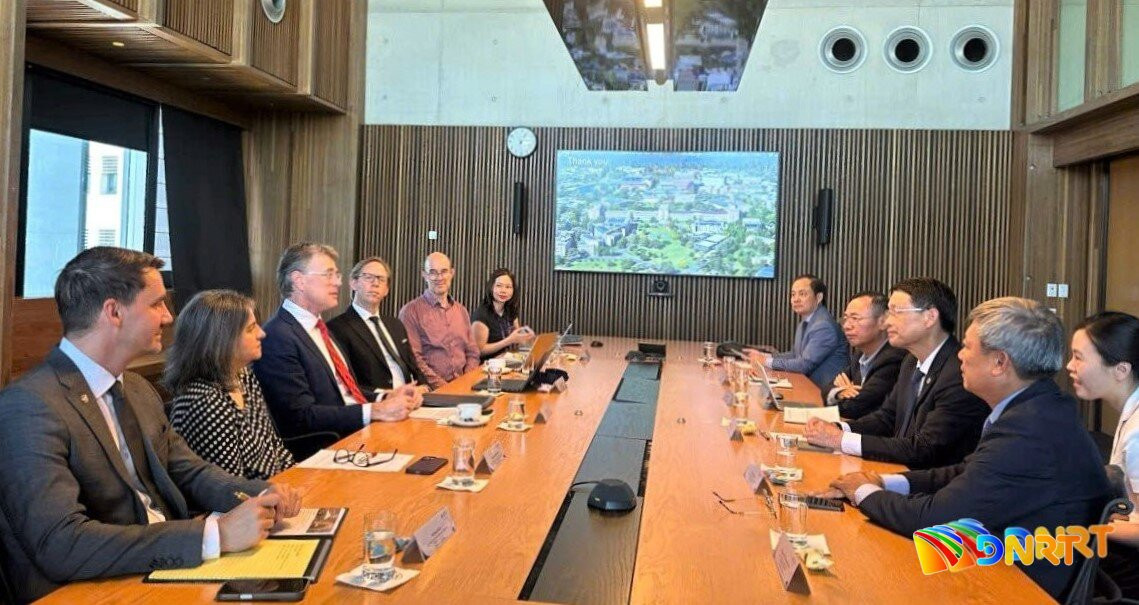
For his part, Deputy Secretary of the Da Nang Party Committee Ngo Xuan Thang thanked the leadership representatives of the University of Queensland for the warm welcome.
In addition, he recalled a milestone in May 2010, when the Da Nang Center for High-Quality Human Resource Development and the university established cooperation in higher education and postgraduate training, as well as scientific research.
To date, nearly 50 Da Nang officials and leaders have studied at the University of Queensland, contributing to the city's development. These achievements have laid a solid foundation of trust for both sides to further expand their cooperation.
In 2025, the University of Queensland signed two academic cooperation agreements with University of Foreign Language Studies - the University of Da Nang, covering the fields of languages, communications, and international relations.
Deputy Secretary Ngo Xuan Thang also provided information on the city's expanded development space following its merger with former Quang Nam Province in July 2025.
He hoped that Da Nang would strengthen cooperation with the University of Queensland in training highly specialized human resources with strong foreign language proficiency and the ability to work in international environments.
The Da Nang leader also emphasized the goal of making English a second language for all schools across the city while proposing specific cooperation program with the University of Queensland.
Meanwhile, Vice Chairman of the Da Nang People's Committee Ho Quang Buu highlighted the city's potential in medicinal plant resources while suggesting cooperation with the University of Queensland in product research, deep processing and enhancing the quality and commercial value of medicinal herbs.
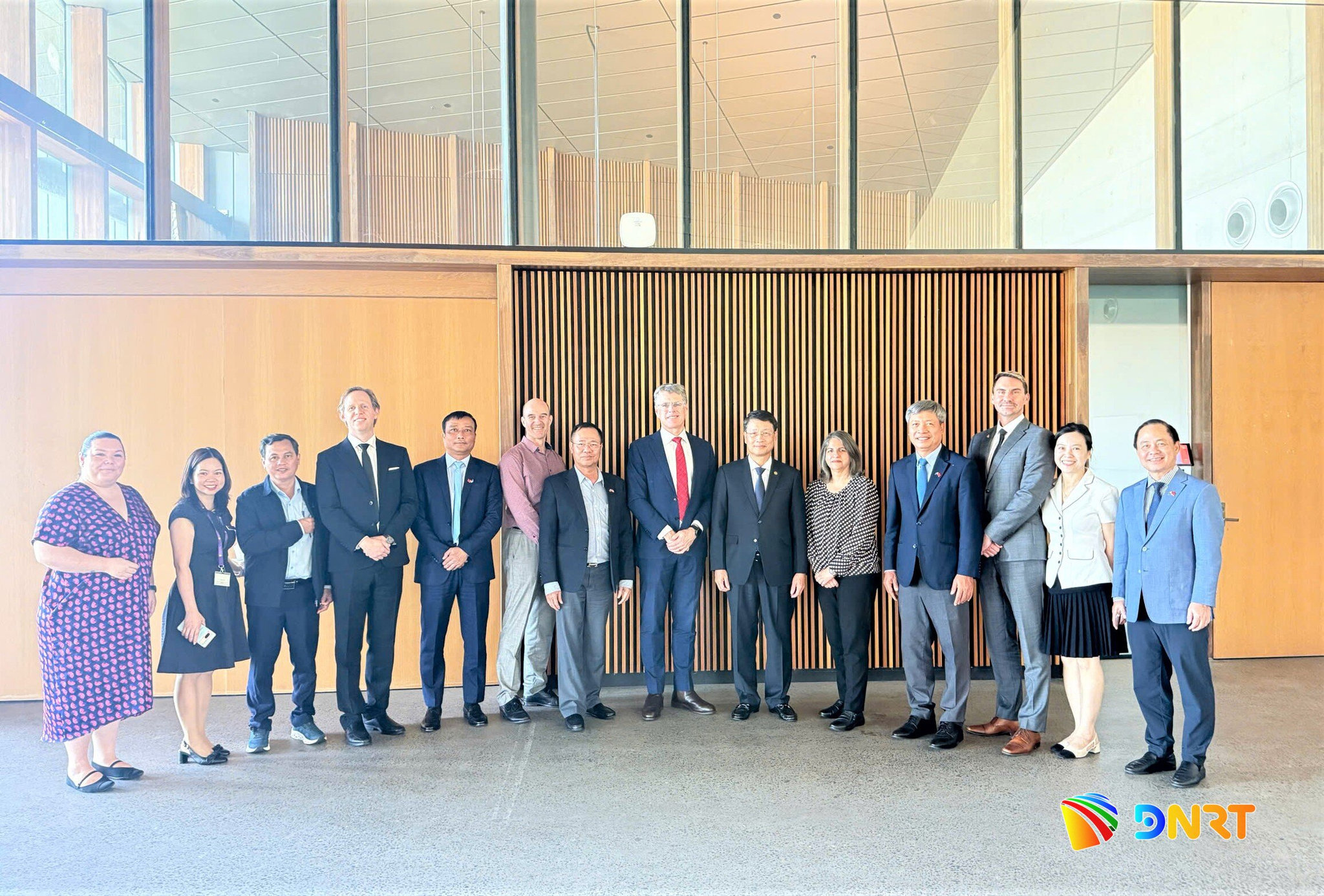
At the meeting, Head of the Da Nang Specific Economic Zones Authority (DSEZA) Vu Quang Hung introduced the city's industrial and technological development ecosystem.
Alongside, he asked to strengthen connections among the University of Queensland, research institutes, international scientists, and Da Nang businesses and high-tech ecosystem, with a focus on promoting applied research, technology transfer, and technology commercialization.
Mr. Brett Lovegrove, in charge of Global Partnerships at the University of Queensland, highly appreciated Da Nang's development orientations and outlined three key areas in which both sides could further advance cooperation.
These include human resource development, particularly English language training and professional development for teachers delivering subjects in English; research collaboration in AI and hi-technology, linking the university with the ecosystems of the Da Nang Hi-Tech Park and the Free Trade Zone; and cooperation in biotechnology, agriculture, life sciences, and medicinal materials.