
Gửi bình luận
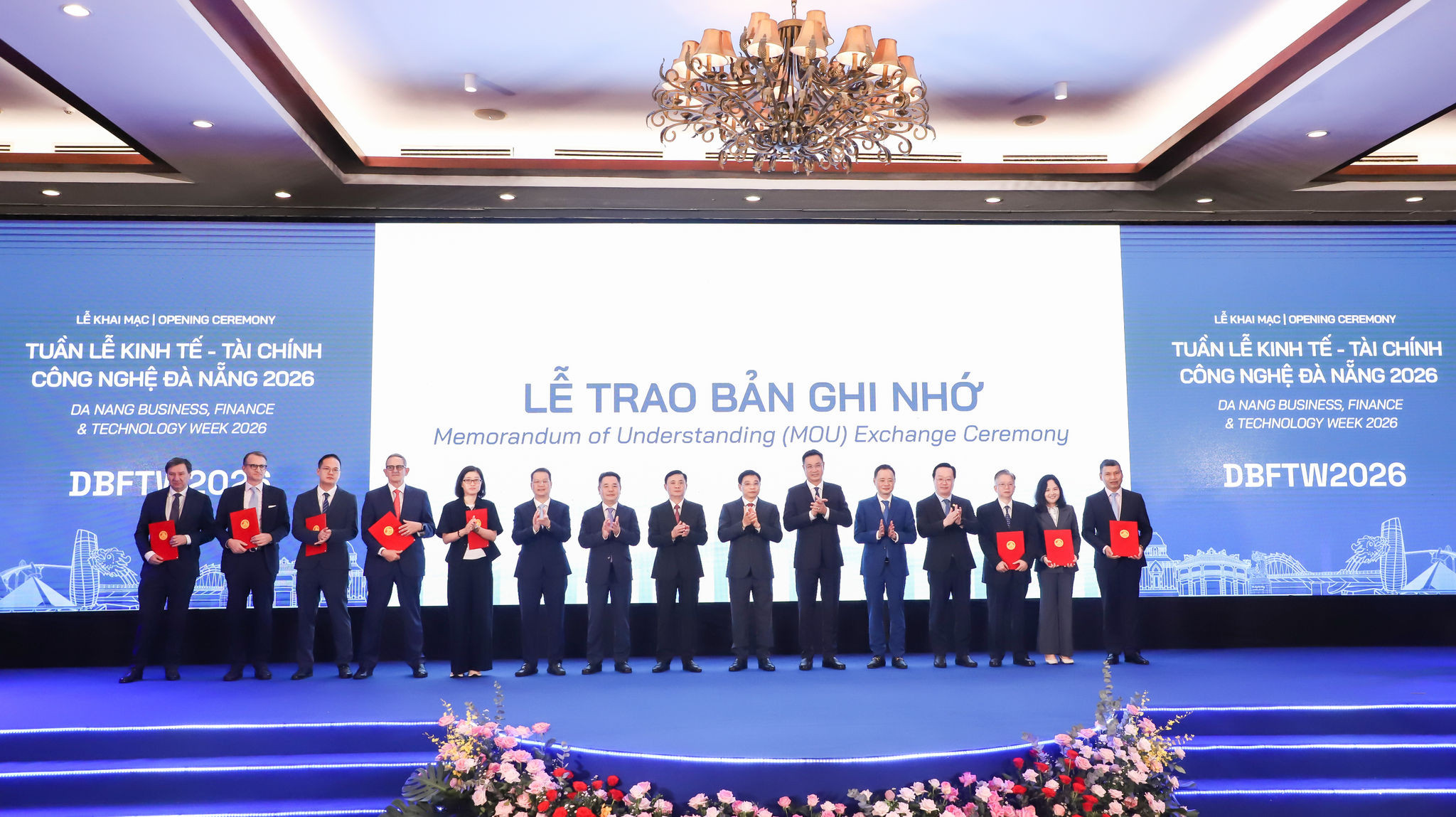
DNO - At the Da Nang Business, Finance and Technology Week 2026 on July 7, Da Nang and its domestic and international partners signed memoranda of understanding (MOUs) and letters of intent (LOIs) aimed at accelerating the development of the Vietnam International Financial Centre (IFC) in Da Nang and innovation ecosystem.
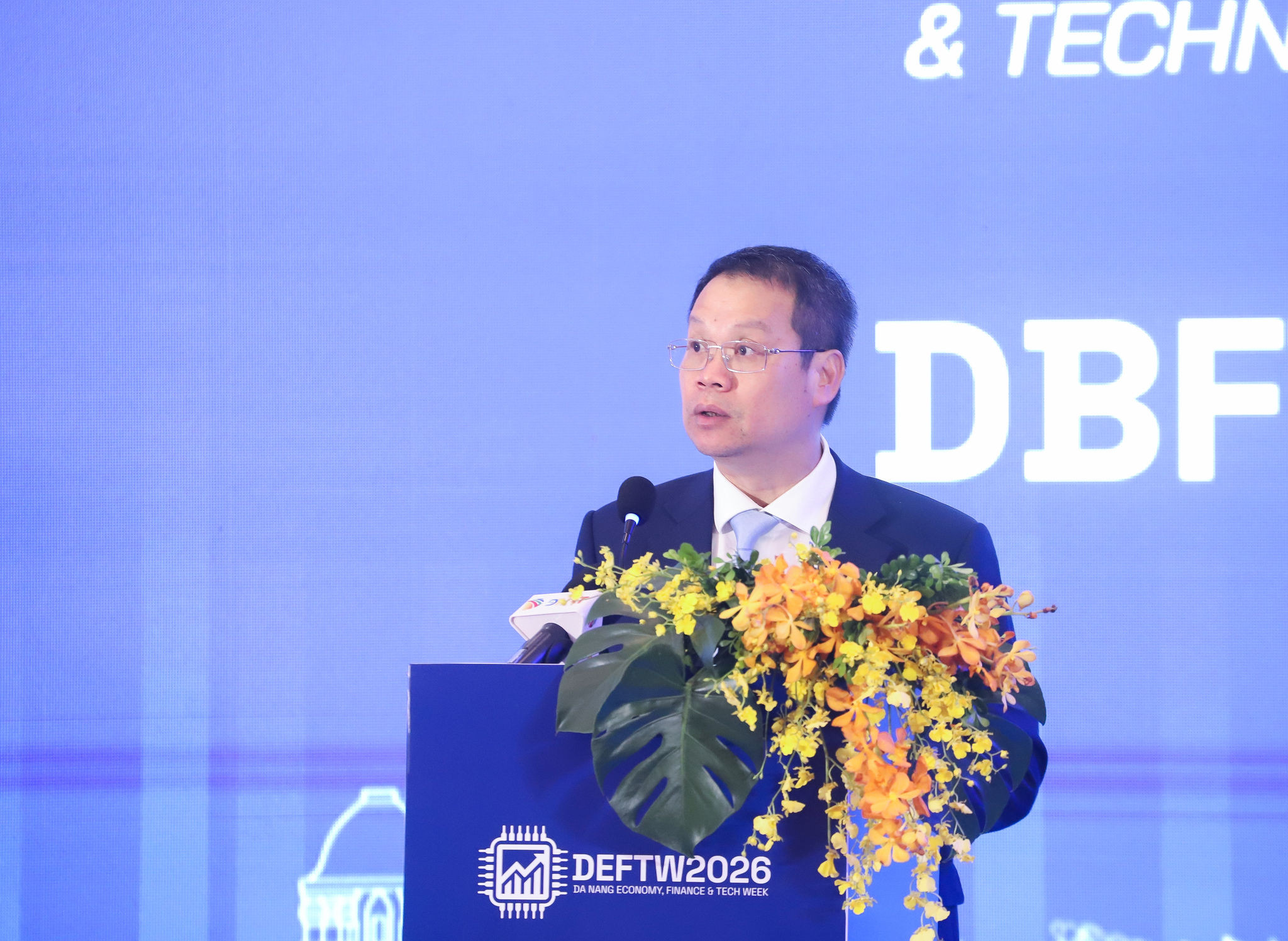
In detail, The Da Nang People’s Committee signed an MOU with the Swiss-Asian Chamber of Commerce (SwissCham Asia) and Singularity AG of Switzerland to strengthen cooperation in investment promotion, innovation, education, research, high-quality workforce development, and initiatives supporting the city's new growth model.
The Executive Agency of the Vietnam International Financial Centre in Da Nang (VIFC Da Nang) also signed an MOU with the International Finance Corporation (IFC), a member of the World Bank Group, to help build a modern financial ecosystem and develop financial markets in line with international standards.
The partnership will focus on supply chain finance, financial services development, institutional capacity building, and the sharing of global best practices.
In addition, the VIFC Da Nang Executive Agency signed an MOU with Victory Securities Holding Limited to cooperate on sharing expertise in developing regulatory frameworks for digital assets and promoting investment.
The Executive Agency and the Austrian Agency for Economic Cooperation and Development (AED) also exchanged a Letter of Intent on cooperation related to the proposed Da Nang Urban Railway Project.
Meanwhile, Da Nang Fintech Lab and the Austrian Blockchain Center signed an MOU to promote collaboration in research, talent development, and innovation initiatives in blockchain, digital assets, and financial technology.
.jpg)
Da Nang has identified five strategic priorities to position itself as a new growth engine for both Vietnam and the Central Highlands region.
First, the city aims to become a new growth pole for the nation and the central region.
Second, Da Nang seeks to serve as a pioneer in piloting institutional reforms and next-generation development models.
Third, the city is positioning itself as a hub for attracting high-quality development resources. It plans to foster a transparent, business-friendly investment environment with strong international connectivity to draw knowledge-intensive, technology-driven and high value-added investment.
Fourth, Da Nang aims to become a regional centre for innovation, science and technology, and the digital economy by building an ecosystem centred on digital transformation, artificial intelligence, semiconductor and microchip industries, data centres, high-tech sectors, and a highly skilled workforce.
Fifth, the city is committed to becoming a place that is livable, attractive to visitors, appealing to investors, and rewarding for talent.
International experts believe Da Nang’s development strategy is well aligned with the direction of leading cities in the digital age.
According to Professor Paul Romer, the 2018 Nobel laureate in Economic Sciences, the next phase of economic growth will be driven by three key forces: urbanization, lifelong learning, and artificial intelligence (AI).
Romer argued that the true value of a city lies not in its infrastructure or real estate, but in its ability to foster connections among people, businesses and knowledge. Well-designed public spaces and efficient connectivity create the conditions for new ideas, innovation and higher economic value.
Drawing on the experiences of Singapore and several Chinese cities, Romer noted that successful urban development depends on maximizing the value created through urbanization.
On human capital, formal education must be complemented by continuous workplace learning, as most new skills are acquired through practical experience. The greatest benefit of foreign direct investment (FDI) is not merely capital inflows, but the opportunity for workers to gain access to advanced technologies and develop new capabilities.
Romer also described AI as a powerful productivity tool, provided its development is closely linked to education, skills training and public interest.
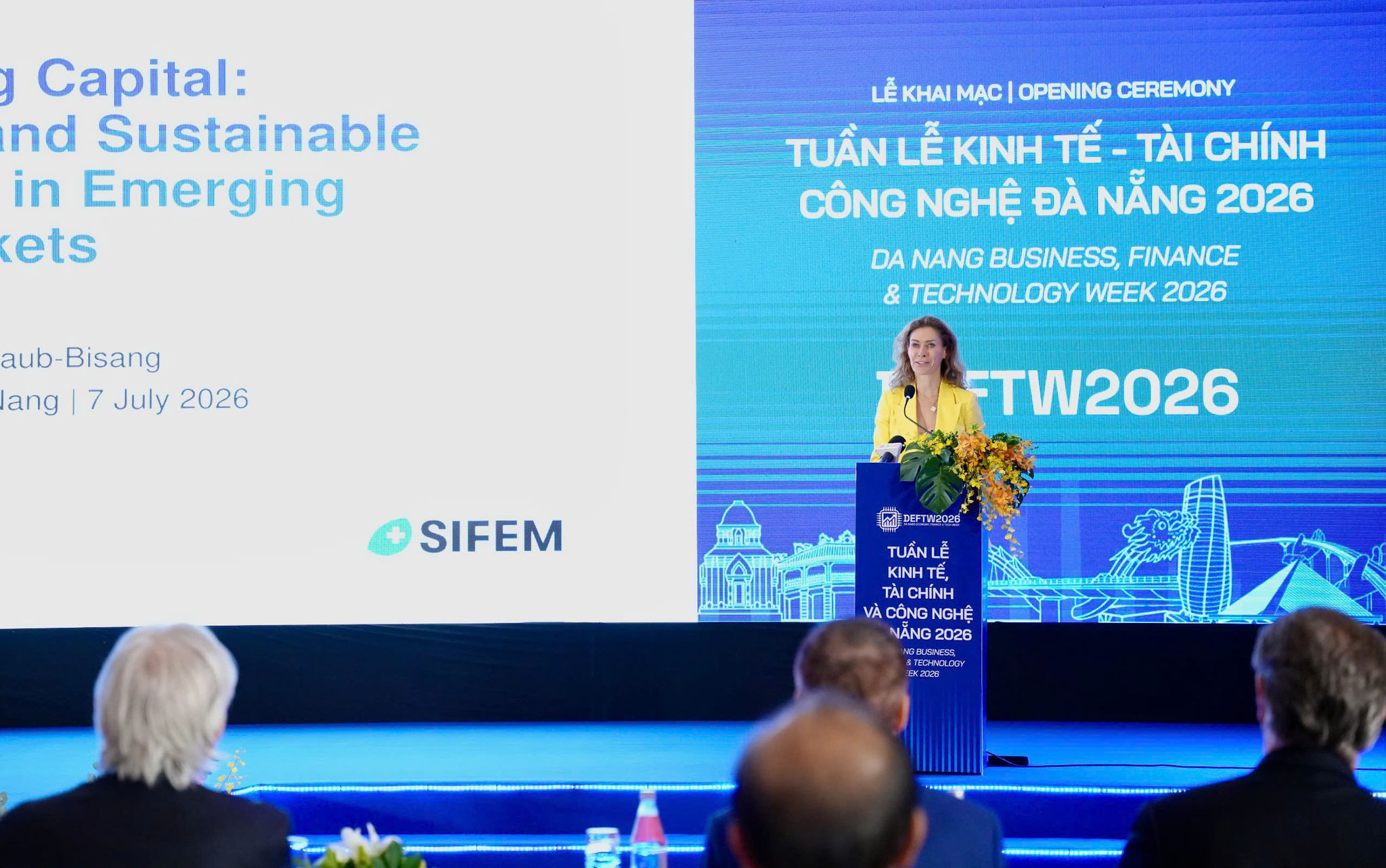
From a financial perspective, Dr. Mirjam Staub-Bisang, Chair of the Board of Directors of the Swiss Investment Fund for Emerging Markets (SIFEM) and Chair of BlackRock Switzerland, said Vietnam is well positioned to attract international capital thanks to its strong economic growth, robust FDI inflows and the prospect of a market upgrade.
To unlock more green capital, she recommended that Vietnam adopt a blended finance model, using concessional funding from the government or development institutions as catalytic capital to share risks and encourage participation from investment funds, pension funds, insurance companies and private investors.
It is a good idea for Vietnam to establish a stable policy framework, deepen the domestic capital market, develop a pipeline of internationally certified green projects, and create transparent exit mechanisms that can convert investment commitments into tangible funding for sustainable growth.
According to the experts, achieving Da Nang’s ambition of becoming a globally recognized innovation hub and one of the world’s most livable cities will require continued breakthroughs in institutions, infrastructure, human capital and finance.
.jpg "Da Nang Business, Finance and Technology Week 2026 launched")