

Gửi bình luận
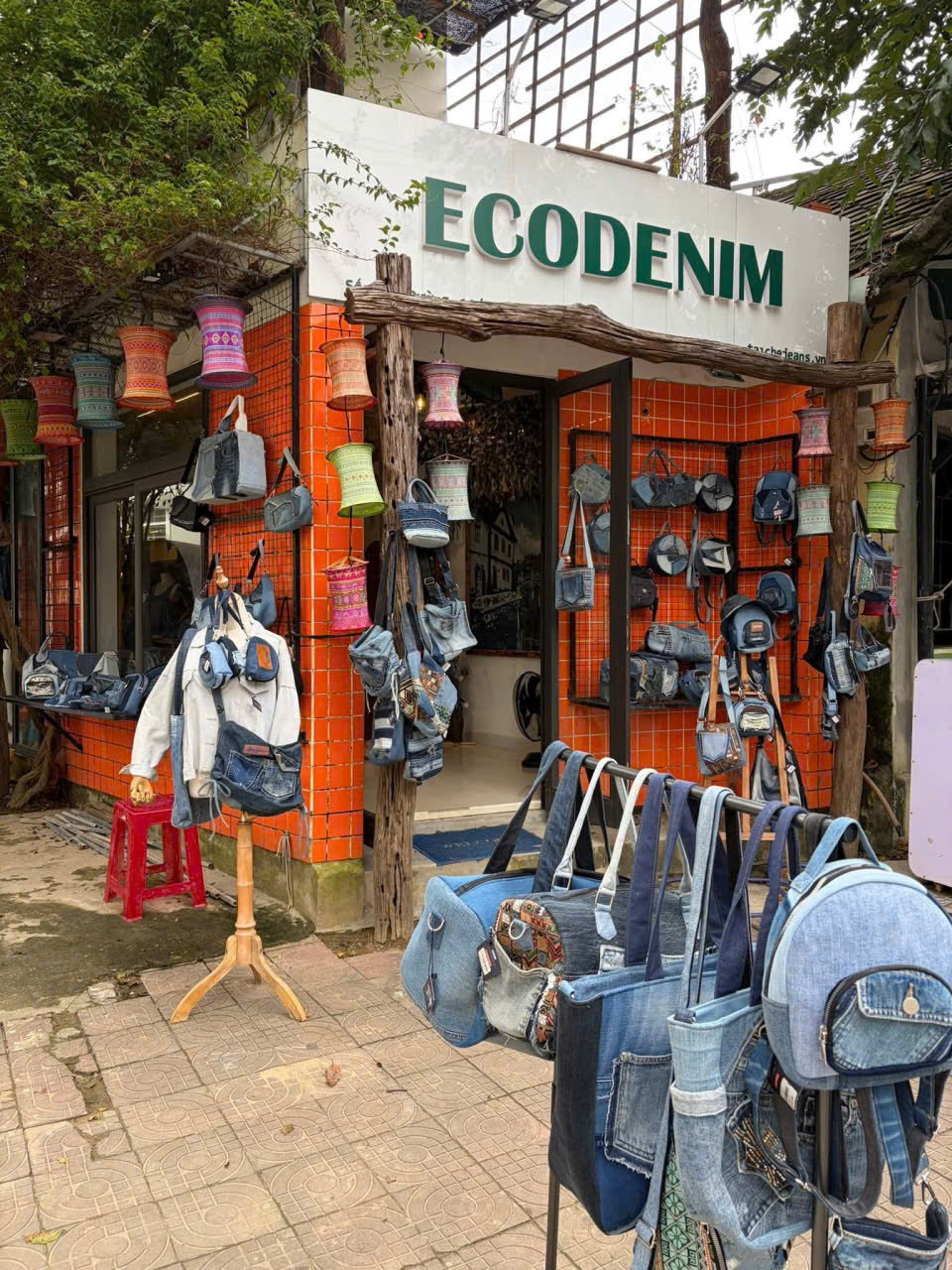
DNO - In the ancient town of UNESCO Heritage Site Hoi An, Da Nang, Ecodenim has emerged as a creative recycling space where discarded jeans are given a second life through fashion and art.
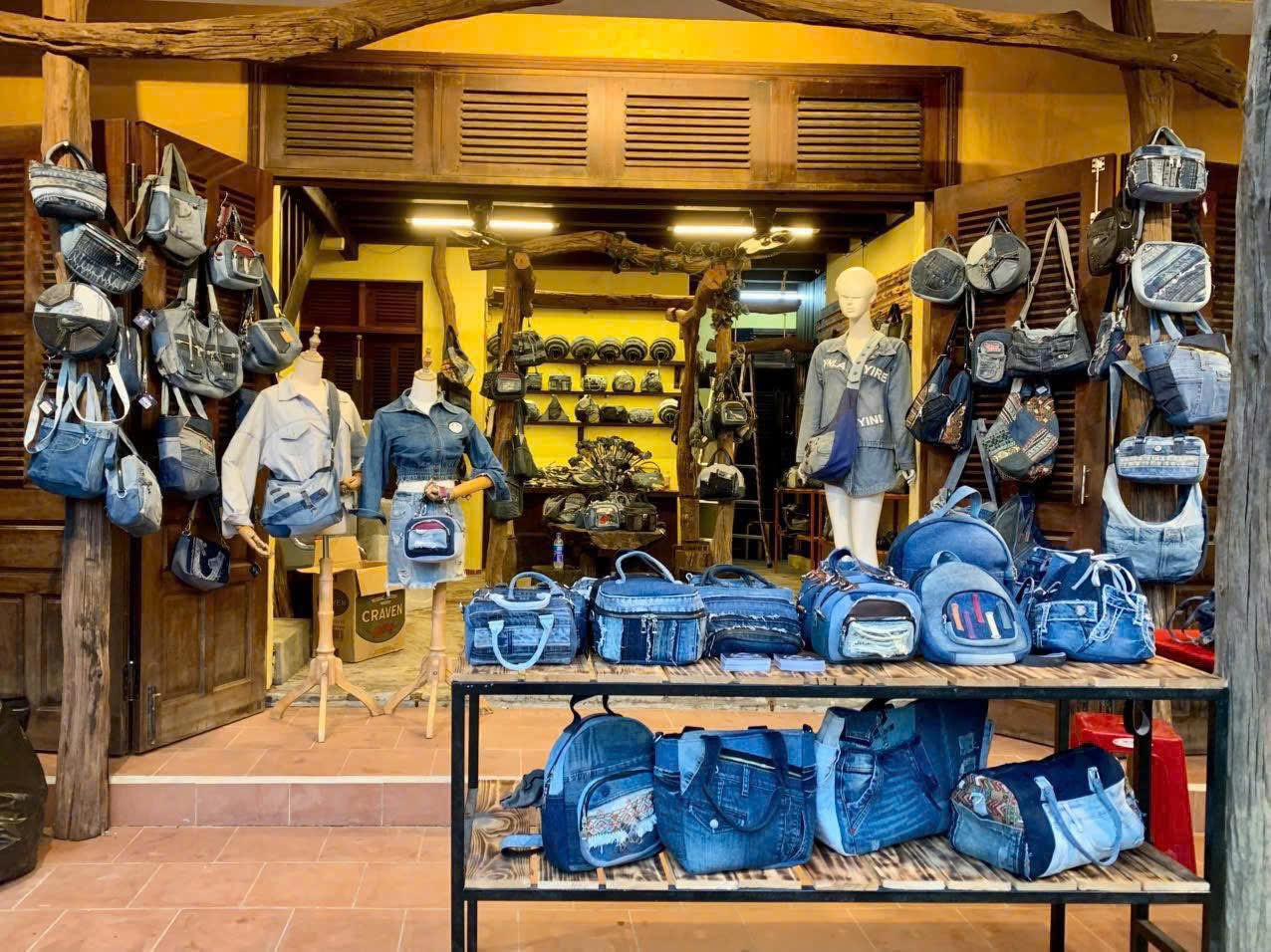
From old denim to a creative recycling movement
Old denim materials are transformed into handbags, accessories and handmade souvenirs, contributing to waste reduction while promoting sustainable consumption.
Founder Pham Minh Long said the project is expanding beyond denim recycling to develop a broader “recycling village” model.
“We want to create a space where not only jeans, but also plastic bottles and other discarded items can be reused creatively. Extending the life cycle of old products is one way to reduce environmental pressure and encourage a circular economy,” Long said.
Ecodenim at No. 53, August 18 Street, Cam Pho, Hoi An, has also become a popular experiential destination for visitors to Hoi An.
The venue features a recycled jeans garden carrying environmental messages, creative workshops and what is believed to be Vietnam’s largest artwork of the Chua Cau (Japanese Pagoda Bridge), a historic landmark in the ancient city of Hoi An, made entirely from recycled denim.

Embrace sustainable living and eco-tourism
The initiative reflects a wider shift taking place across Hoi An as tourism operators and local communities increasingly embrace sustainable practices.
In Kim Bong Village, for example, many residents who once depended on destructive fishing practices have transitioned to community-based tourism.
They now work as local guides, introducing traditional carpentry crafts while spreading environmental awareness among tourists.
The movement toward greener living is also visible at the neighborhood level. Residents in many parts of Hoi An have adopted waste sorting practices, separating organic waste, recyclables and plastic materials at source.
Nguyen Thi Hoa, a community representative from An Thai residential area in Hoi An Ward, said her family has maintained household waste classification for years.
Local women also collect bottles and cans at “green houses” - community recycling points used to raise funds for disadvantaged people.
“If everyone contributes, Hoi An’s environment will become cleaner and greener every day,” Hoa said.
Authorities, businesses and residents are increasingly working together to strengthen Hoi An’s image as a sustainable tourism destination.
Beyond preserving the ancient town’s cultural heritage, the city is also seeking to build a model of environmentally responsible urban living.
From recycling old clothing and reducing plastic waste to reshaping livelihoods around eco-tourism, Hoi An is showing how small community-driven actions can create long-term environmental impact.
As global travellers become more conscious about sustainability, the ancient town’s green transition may also become one of its strongest attractions in the years ahead.