Gửi bình luận
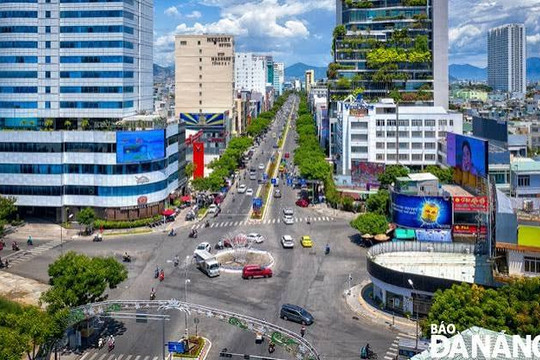
DNO - According to Savills Vietnam, the country continues to record positive international capital flows in 2026.
In the first half of the year, total registered FDI reached around US$34.65 billion, a 61% year-on-year increase, while disbursed FDI hit US$13.03 billion, the highest level in five years for the first six months of the year.
.jpg)
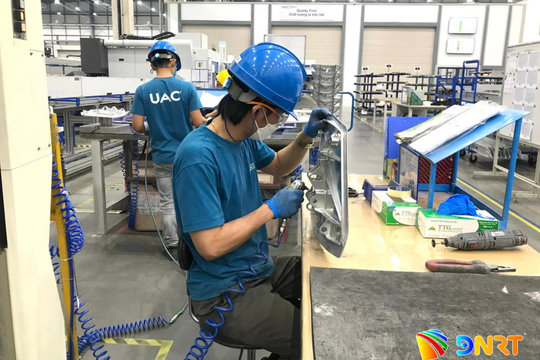
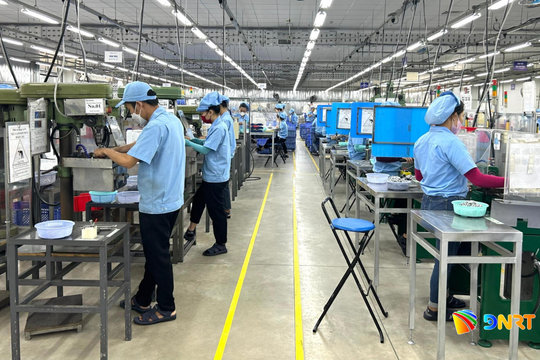
Manufacturing remains one of the key drivers of FDI inflows into Vietnam.
Demand for industrial land, ready-built factories and build-to-suit manufacturing facilities remains steady across various markets.
Between January and June, around two-thirds of newly registered manufacturing capital was associated with projects opting for ready-built factories rather than land leases.
Alongside manufacturing, logistics is becoming an increasingly important part of the real estate ecosystem supporting supply chains.
The growth of e-commerce, demand for faster delivery and increasingly complex manufacturing networks are adding demand for modern logistics facilities and locations with favorable access to seaports, airports, expressways and consumer hubs.
The shift toward high-tech industries is also changing real estate requirements.
Industries such as electronics, semiconductors, data centers and high-tech manufacturing activities often require higher standards for power supply, data connectivity, technical infrastructure and operational capabilities.
This could create demand for specialized assets rather than simply expanding industrial real estate space.
Data centers are one example. According to the Savills Vietnam’s Industrial Outlook 2026, the total operational design capacity of data centers in Vietnam reached nearly 524.7 MW in 2025 and is predicted to rise to 950 MW by 2030, an increase of around 81%.
The growth is not simply a matter of floor space. Large-scale data centers require stable power supplies, telecommunications connectivity, technical standards and continuous operating capabilities.
Therefore, the digitalization is creating an additional category of real estate demand with requirements that differ from those of traditional industrial properties.
According to Matthew Powell, Director of Savills Hanoi, infrastructure development is simultaneously creating more room for real estate supply and expanding the geographic scope of investment activity.
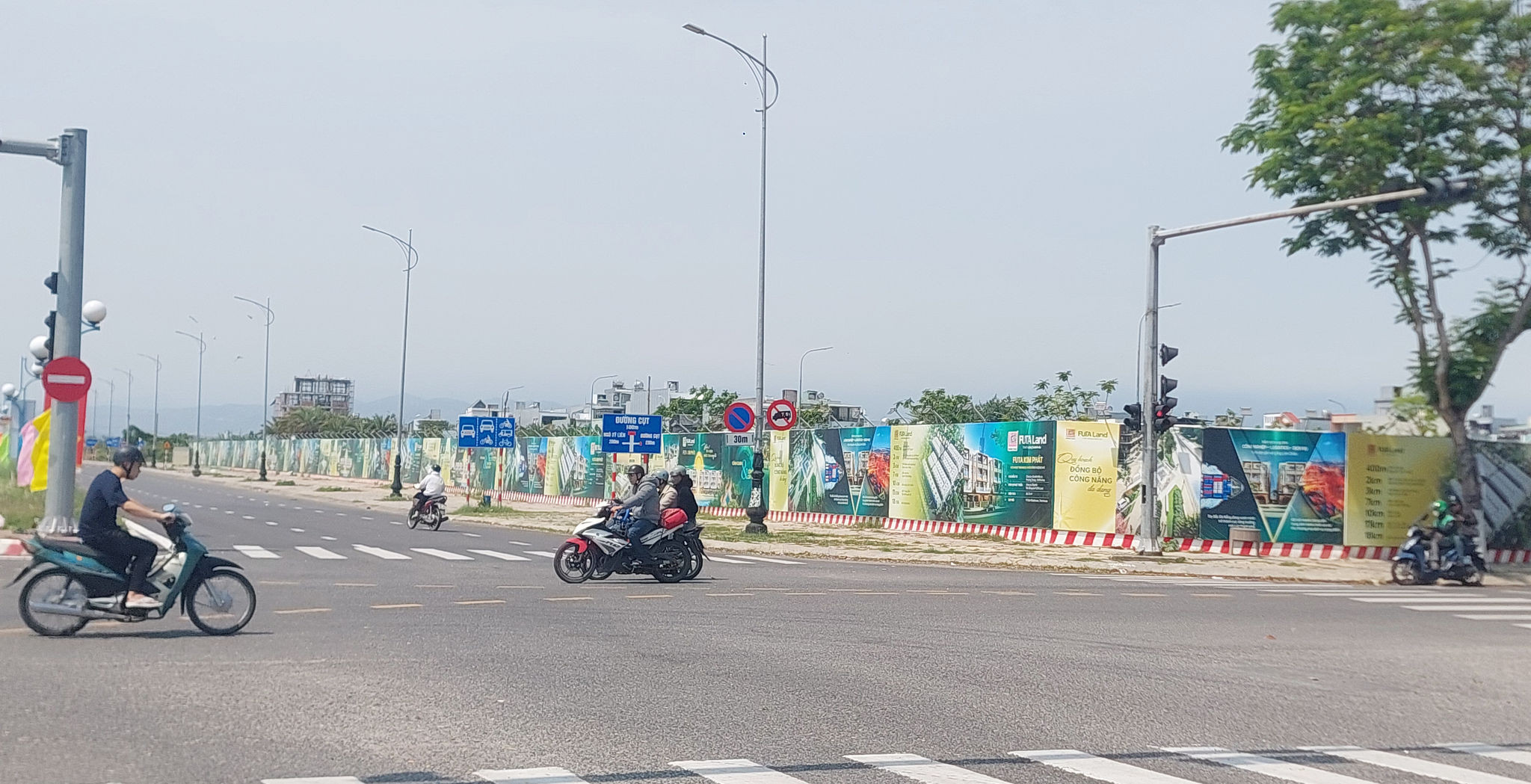
Savills experts said that, alongside scale and location, operational capabilities, infrastructure quality, connectivity and scalability are also factors considered by businesses and investors when selecting assets.
In addition to traditional asset classes, the market is witnessing the emergence of specialized assets, including data centers, cold storage facilities, and premises catering to high-tech industries.
In the investment market, these assets can be accessed through various structures from asset portfolios and income-generating assets to sale-and-leaseback models.
The diversification of asset types and investment structures is part of the changes being observed in Vietnam’s real estate market, alongside shifts in economic activities and asset-use demand.