
Gửi bình luận
DNO - Vietnamese artefacts housed in French museums can be seen both as witnesses to the past and as cultural ambassadors, connecting distant lands and opening up conversations about history, culture and responsibility for heritage.
On September 10, 2026, a Dong Son bronze drum dating from around the fifth century BC was officially returned to Vietnam at the French Ministry of Culture.
French customs officers seized the drum at Rennes-Saint-Jacques Airport in 2014 due to a lack of documentation proving its lawful provenance. It was subsequently preserved, studied and conserved at the Rennes Museum of Fine Arts for more than a decade.
The return draws renewed attention to Vietnam’s cultural heritage preserved in France.
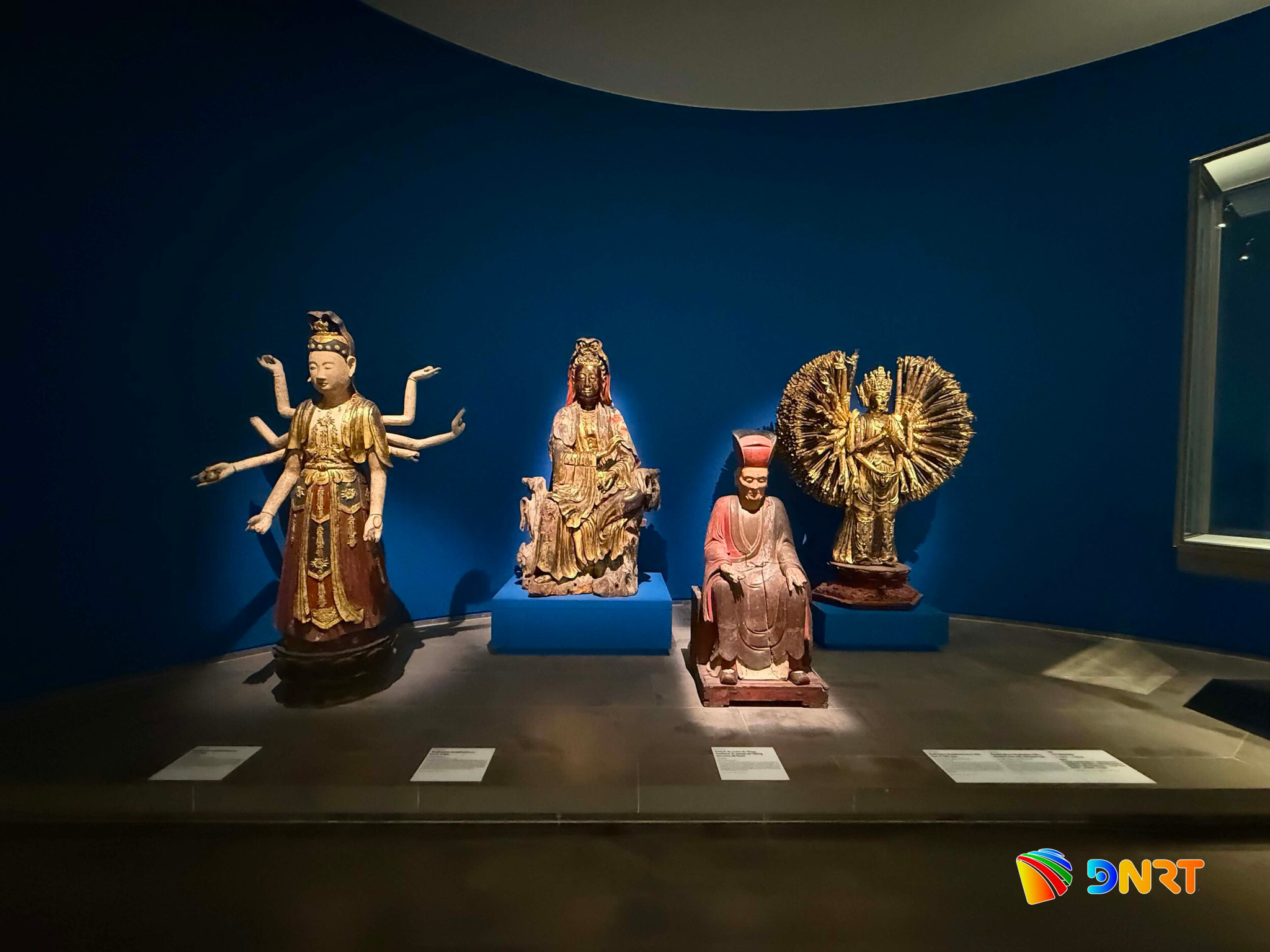
Paris museums house a wide range of Vietnamese artefacts, including Dong Son bronzes, ancient ceramics, religious objects, Champa sculptures and items reflecting the daily lives of ethnic communities.
Among the most notable collections are those at the Guimet Museum, Cernuschi Museum and Quai Branly-Jacques Chirac Museum.
The Guimet National Museum of Asian Arts, one of Europe’s leading museums of Asian art, holds significant Vietnam-related collections. Vietnamese Cham art is a highlight of its Southeast Asian collection, alongside Buddhist statues, religious objects and ceramics from different periods, including Chu Dau blue-and-white ware.
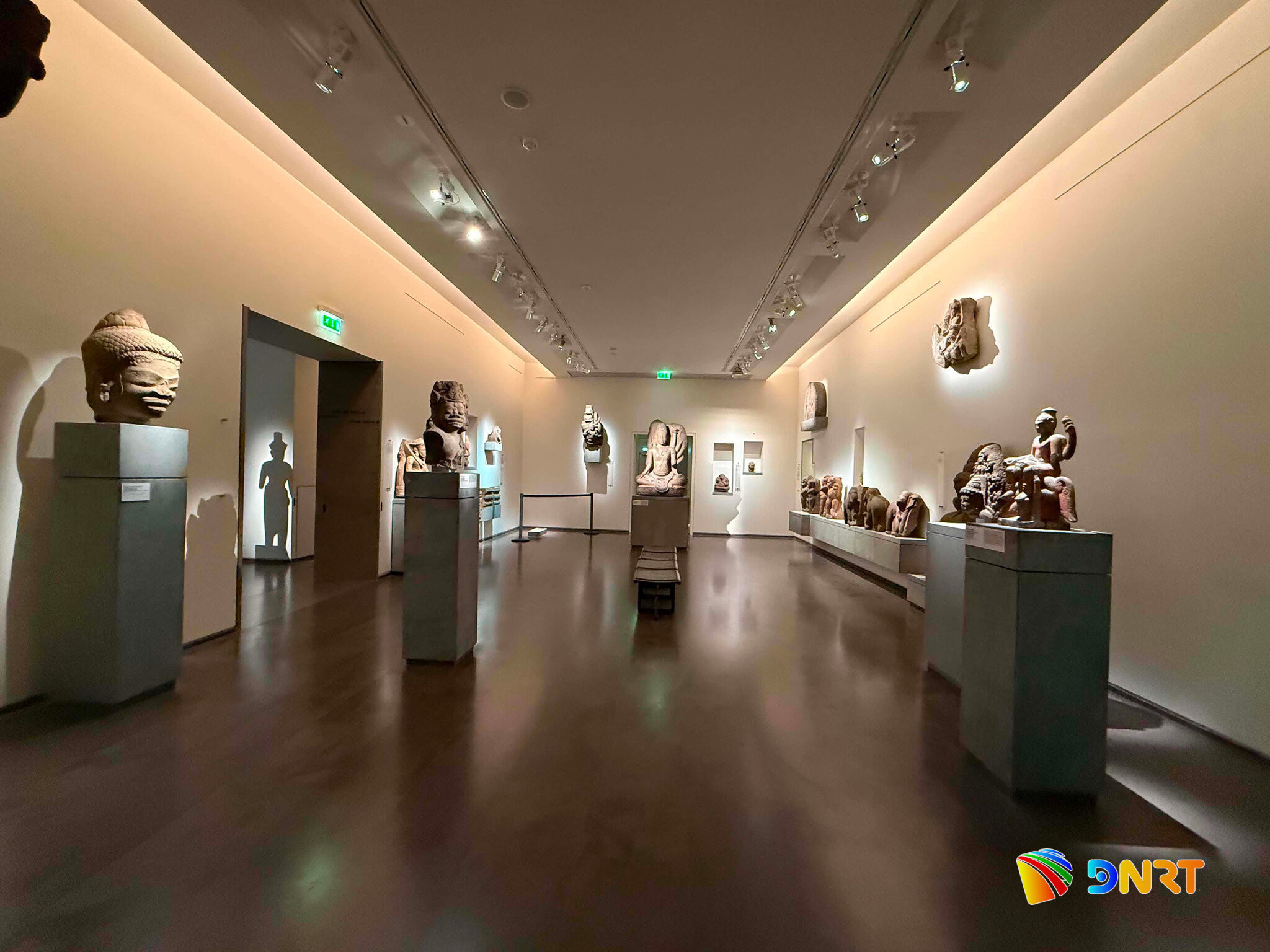
The Cernuschi Museum provides a more systematic overview of Vietnam’s cultural development, with around 1,800 objects spanning some 2,500 years.
Its collection includes Dong Son artefacts dating from the fifth century BC, funerary objects, architectural models, ceramics from successive dynasties and works by prominent modern artists such as Mai Trung Thu, Le Pho, Vu Cao Dam and Le Ba Dang.
A significant part of its archaeological collection came from excavations conducted by Swedish archaeologist Olov Janse between 1934 and 1939. Many objects retain information about their discovery, making them valuable sources for research into Vietnamese history and archaeology.
The Quai Branly-Jacques Chirac Museum offers another perspective, focusing on community life, beliefs and craftsmanship rather than presenting history chronologically.
Its Vietnam-related holdings include funerary art of the Jrai and Mnong Gar peoples, basketry, clothing, ritual objects and everyday items.
Together, the three museums provide diverse perspectives on Vietnam’s rich cultural heritage, from archaeology, religious art and ceramics to community traditions and everyday life.
With their different approaches, the three museums collectively offer a broad and diverse picture of Vietnamese heritage in France. The Guimet introduces visitors to Champa art, Buddhism, religious beliefs and sacred art.
The Cernuschi traces Vietnam’s cultural development from the Dong Son period and Chinese rule through the country’s independent dynasties to modern painting.
The Quai Branly, meanwhile, explores the everyday life, beliefs and traditions of different communities through funerary statues, basketry, clothing and ritual objects.
For Vietnamese people living far from home, encountering a Cham sculpture, a Dong Son bronze artefact or a piece of Chu Dau ceramic in the heart of Paris can evoke a strong connection with their homeland.
Though displayed silently behind glass, these objects carry traces of Vietnam’s history and cultural identity.
For French visitors and international tourists, the collections offer a gateway to a Vietnam beyond familiar images of war and picturesque landscapes. They reveal a country with a long history, rich cultural heritage, diverse spiritual traditions and numerous ethnic communities.
Vietnamese artefacts in French museums therefore serve both as witnesses to the past and cultural ambassadors, connecting distant lands and encouraging dialogue about history, culture and the shared responsibility of preserving heritage.
.jpg "Da Nang steps up cooperation with France and the Philippines")