



Gửi bình luận
DNO - Vietnam’s trade sector posted strong growth in the first four months of 2026, driven largely by foreign-invested manufacturers and rising exports to the United States.
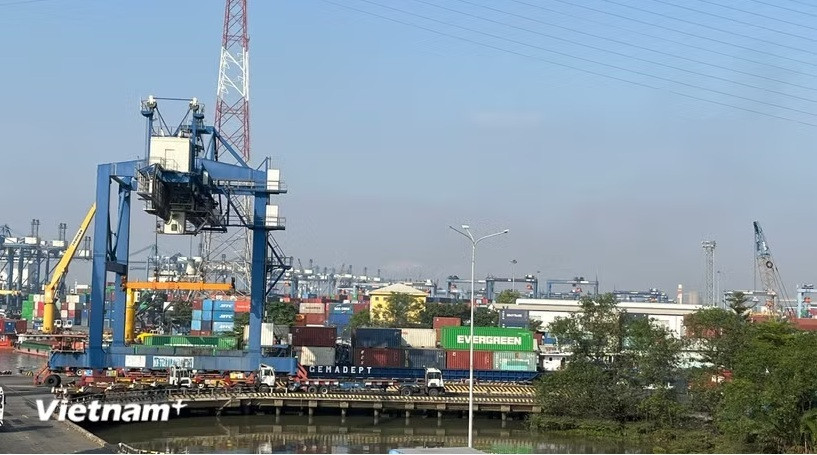
According to the General Statistics Office under the Ministry of Finance, the country’s total export turnover reached US$168.53 billion between January and April, up 19.7% year-on-year.
However, the latest figures also highlighted Vietnam’s growing dependence on foreign direct investment (FDI) enterprises and imported production materials.
Exports from the domestic economic sector were estimated at US$33.65 billion, accounting for only 20% of the total and rising just 0.4% compared to the same period last year.
Meanwhile, the foreign-invested sector, including crude oil, generated US$134.88 billion in exports, surging 25.8% and contributing roughly 80% of the country’s total export value.
Manufactured goods continued to dominate Vietnam’s export structure, reaching US$151.5 billion and accounting for nearly 90% of total exports.
Agricultural and forestry products earned US$12.68 billion, while seafood exports reached US$3.55 billion. Fuel and mineral exports remained modest at US$0.8 billion.
The report also showed that 24 export items generated more than US$1 billion in revenue, including seven products exceeding US$5 billion, indicating that Vietnam’s export growth remains concentrated in several key industrial categories.
The United States remained Vietnam’s largest export market, with turnover reaching US$53.9 billion and a trade surplus of US$46.9 billion. Exports to the European Union and Japan also maintained positive trade balances, though growth rates varied across sectors.
On the import side, Vietnam recorded US$175.64 billion in imports during the first four months of the year, up 28.7% year-on-year. Imports by domestic enterprises totaled US$49.27 billion, while the FDI sector accounted for US$126.37 billion.
Production materials continued to dominate imports, representing 94.2% of the total import value. Machinery, equipment and raw materials made up the bulk of incoming goods, reflecting the economy’s heavy reliance on imported inputs for manufacturing and exports.
China remained Vietnam’s largest source of imports, with turnover reaching US$69 billion and resulting in a trade deficit of US$46.4 billion. Trade deficits with South Korea and ASEAN markets also widened during the period.
As a result, Vietnam recorded a trade deficit of US$7.11 billion in the first four months of 2026. The figure reflects strong demand for imported machinery, raw materials and production inputs. The situation underscores the urgent need to strengthen domestic manufacturing capacity, increase localization rates and improve the quality and sustainability of export growth.