.jpg "Da Nang enterprises embrace circular economy")
Gửi bình luận
DNO - Many women in economically disadvantaged areas of Da Nang have been supported in green and circular economic growth, improving their living standards.
Scaling up production and business models
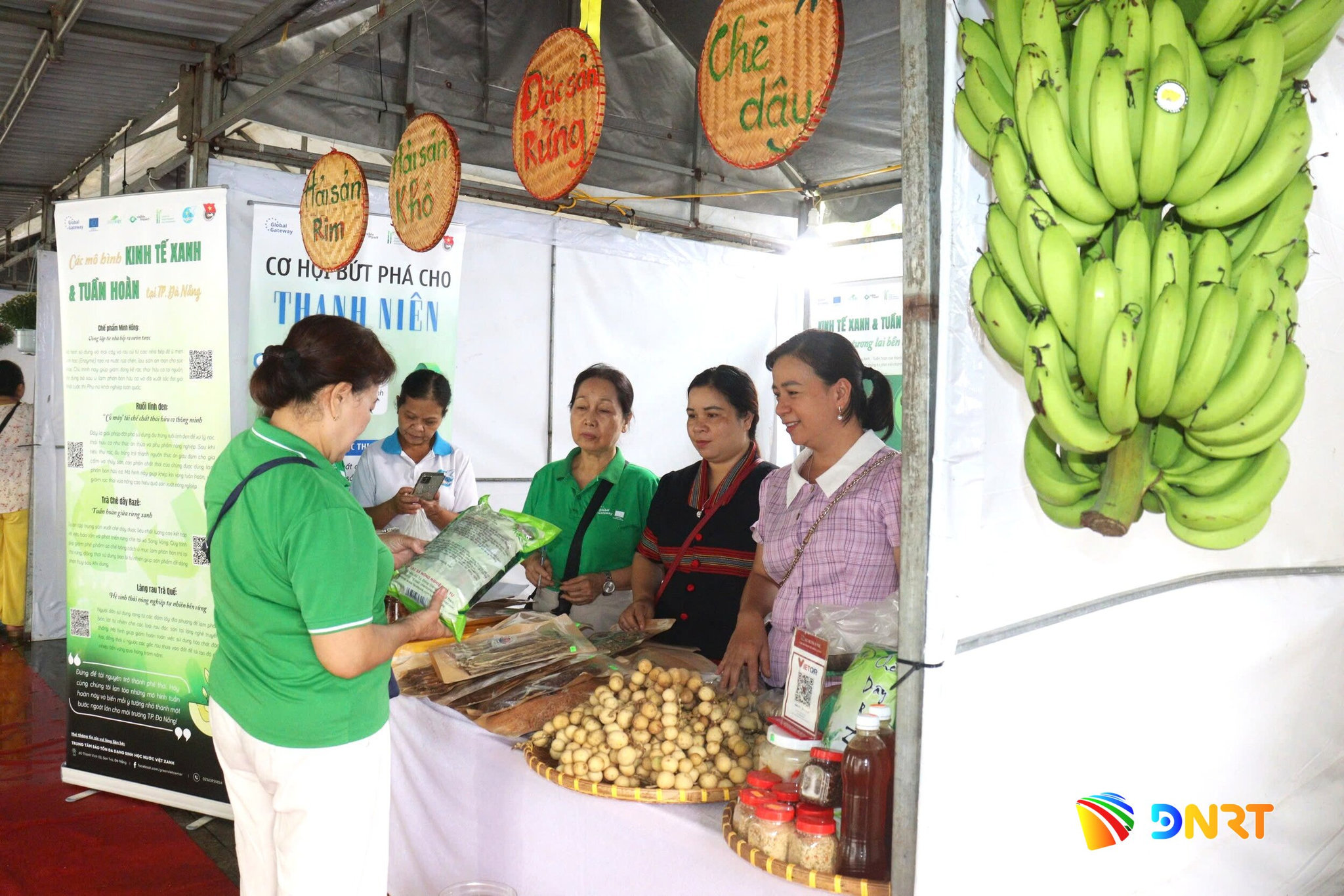
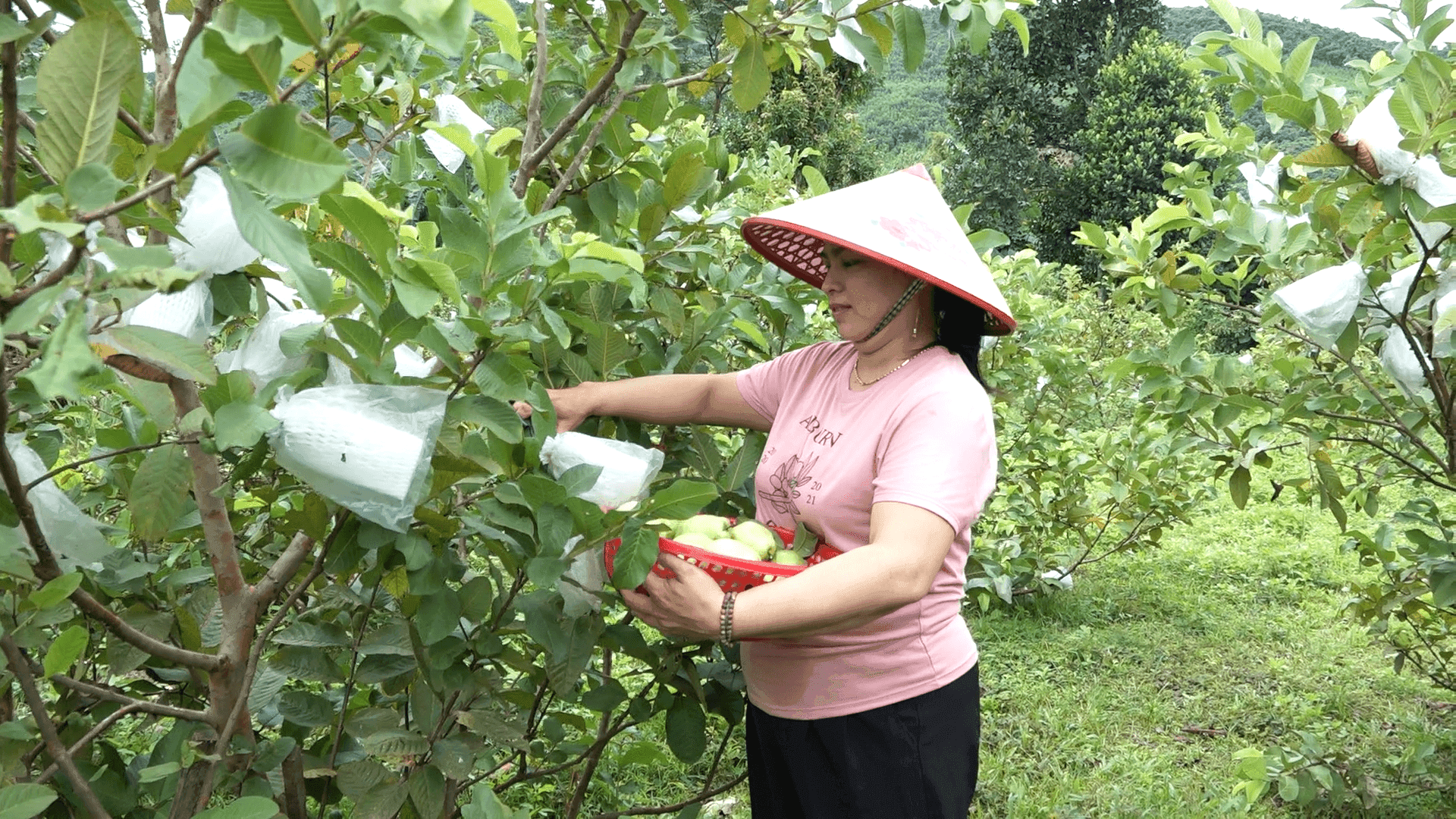
At the "A Green, Innovative, Digitalized, and Circular Hai Van” festival recently held, the women’s chapters in Hai Van Ward, Da Nang, showcased and sold various agricultural and forestry products, including leafy greens, guavas, pumpkins, gourds, and peanut oil, which are produced through green and circular economic practices.
These products were developed via applying knowledge from a series of training sessions and field trips in Da Nang, as part of the project of empowering women in Central Viet Nam to improve livelihoods and protect the environment and natural resources through a green and circular economy.
The project is jointly launched by the Da Nang Union of Science and Technology Associations, the GreenViet Biodiversity Conservation Center (GreenViet), and Visible Impact (Germany), with the sponsorship of the Delegation of the European Union (EU) to Vietnam.
Ho Thi Gai, Head of the Nam Yen Women’s Chapter, Hai Van Ward, stated that since the project has been carried out, local agricultural, forestry, and livestock products have been enhanced in both yield and quality.
These products meet biosafety standards and align well with the preferences of tourists visiting the Hoa Bac area for sightseeing, excursions, or leisure.
Recently, GreenViet and the EU Delegation to Vietnam selected the Khe Dinh free-range chicken farming with herbal feed and clean spring water, managed by the Nam Yen Women’s Chapter, for further development support.
As part of the project, GreenViet and the EU Delegation to Vietnam have supported the Hoa Bac Ecological Agriculture and Community-Based Tourism Cooperative in developing a production model that integrates agriculture with tourism.
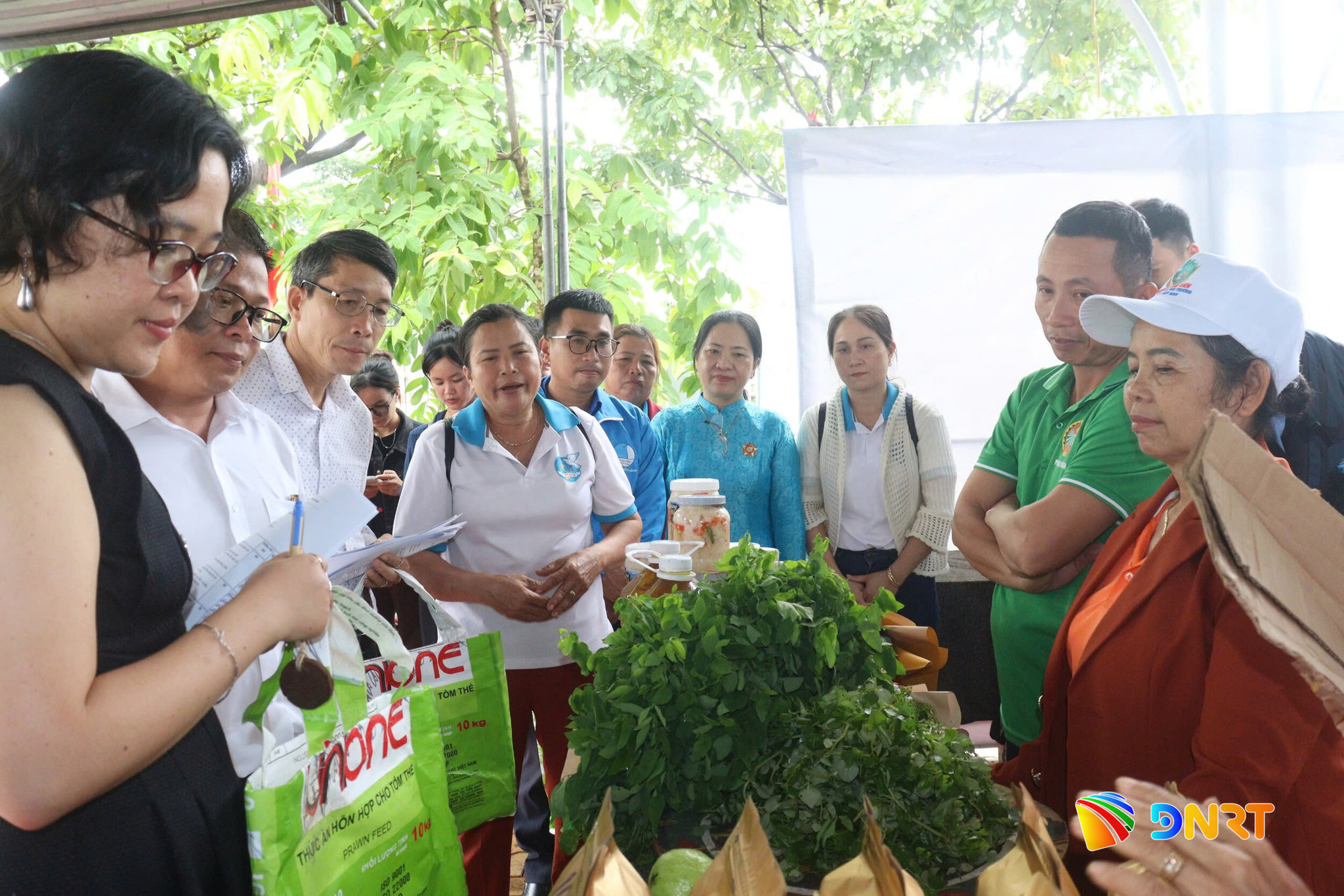
This initiative contributes to the protection of the Cu De River’s water resources while promoting indigenous knowledge and the cultural values of the Co Tu ethnic community.
Alongside, a model that promotes women-owned green agribusiness and a circular economy in the Cu De River basin, Hai Van Ward, part of Oxfam's "Supporting Women-Led Green Initiatives" (PWG) project funded by the EU Delegation to Vietnam, has been chosen for development support.
Funding for women-led livelihood models
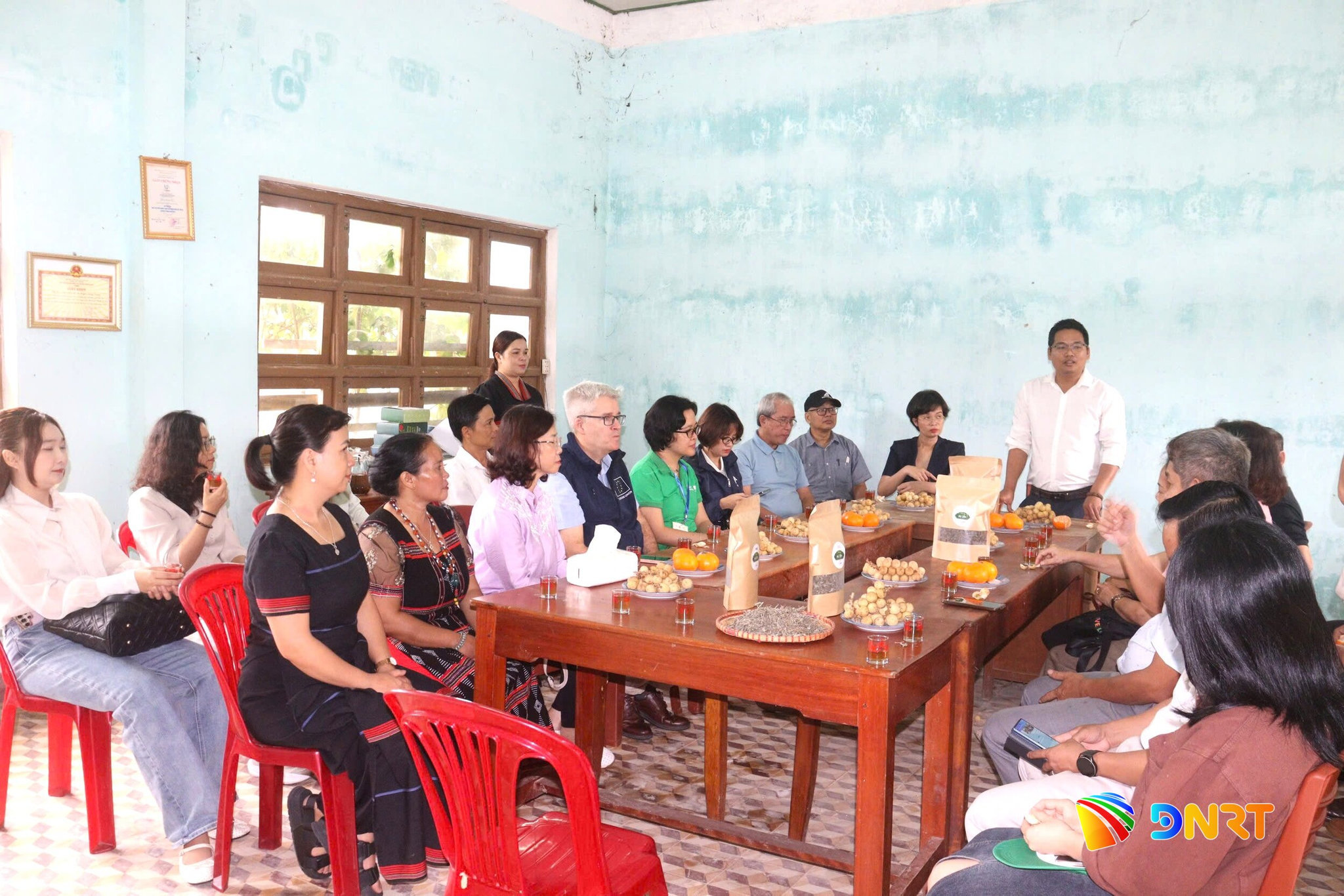
Green Viet and the Song Vang Agricultural and Medicinal Herbs Cooperative proposed a model titled "Mountainous Women Leading the Vine Tea Value Chain - An Inclusive and Sustainable Green Livelihood Solution" in Song Vang Commune, Da Nang. The initiative focuses on improving process methods and aligning with market demands to increase product value.
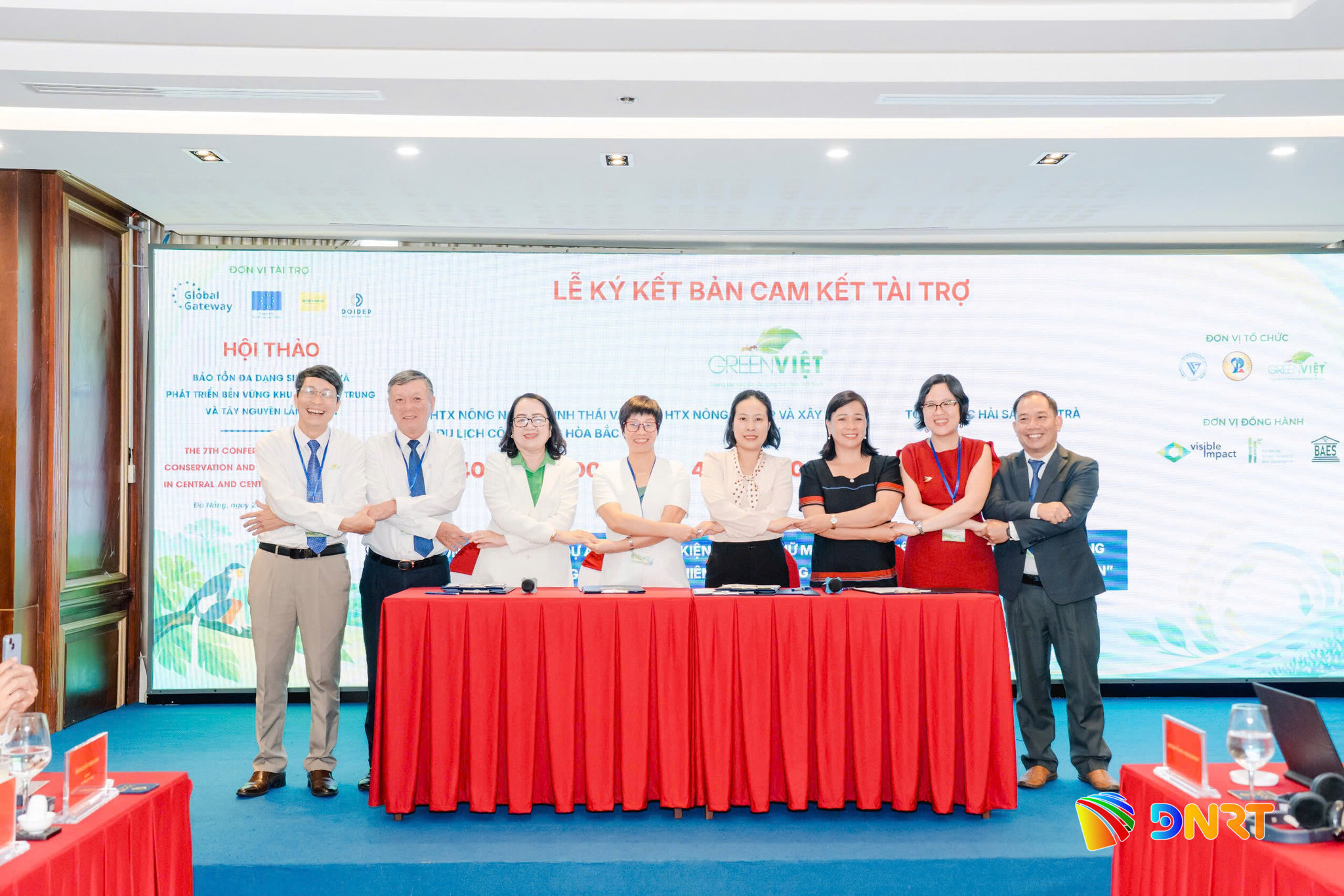
In May 2026, Oxfam and the EU Delegation to Vietnam decided to sponsor this model under the PWG project. It aims to develop sustainable livelihoods for cooperative members, including 20 women involved in the cultivation, harvesting, and initial processing of the vine tea.
Doan Xuan Chuong, Chairman of the Song Vang Agricultural and Medicinal Herbs Cooperative, stated that after four months of implementation, the value of the vine tea products has been upgraded and expanded to the customers, thereby increasing income and improving the livelihoods of its Co Tu ethnic female members.
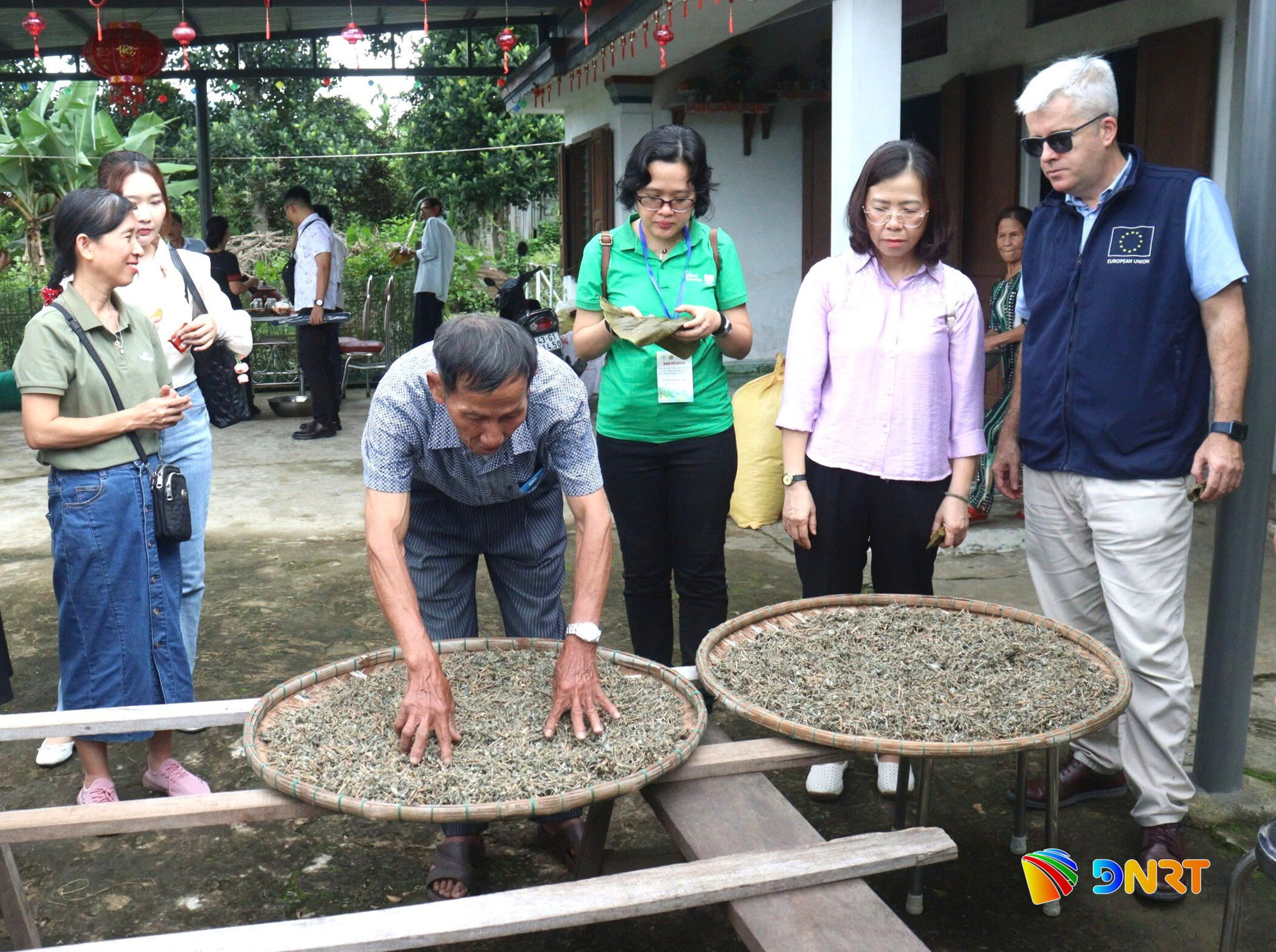
Also, as part of the PWG project, the University of Science and Education, the University of Da Nang, has been funded by Oxfam and the EU Delegation to Vietnam to implement two livelihood models for women in Da Nang.
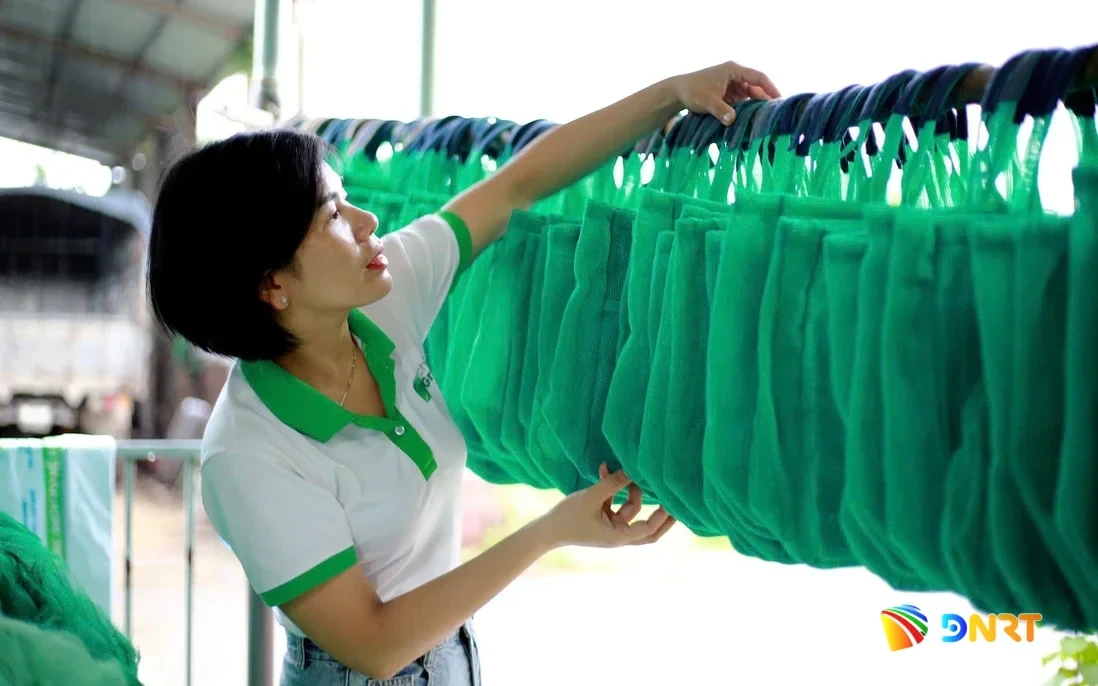
These include a model where women lead a green livelihood based on water lilies associated with ecological conservation in the buffer zone of the Cu Lao Cham - Hoi An World Biosphere Reserve implemented in the Phuoc Trung residential group, Hoi An Ward, and a "green women" initiative focused on recycling marine fishing nets to create sustainable livelihoods.