Gửi bình luận
DNO - Vietnam’s tourism sector is poised for a new era of growth following the National Assembly’s recent adoption of Resolution No. 59/2026/QH16 introducing a package of special mechanisms and policies to unlock the country’s vast tourism potential.
From investment incentives and innovative business models to visa facilitation, infrastructure development and workforce training, the resolution lays the groundwork for a more competitive, diverse, and sustainable tourism industry.
Rather than focusing solely on visitor numbers, the new policy framework places greater emphasis on investment quality, distinctive tourism products, international competitiveness, and long-term economic value.
Effective from January 1, 2027, through December 31, 2036, the resolution introduces preferential corporate income tax rates, land rental incentives and extended operating terms for major tourism projects.
Strategic tourism developments with total investment capital of at least VND30 trillion, including a minimum of VND15 trillion in tourism facilities, will be eligible for particularly attractive incentives, provided they meet employment and other development requirements.
Equally important is the support extended to small and medium-sized enterprises, cooperatives, household businesses and local communities.
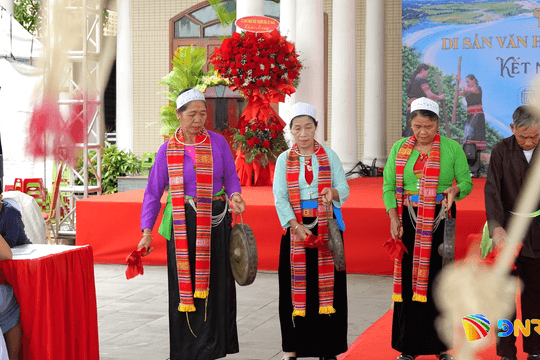
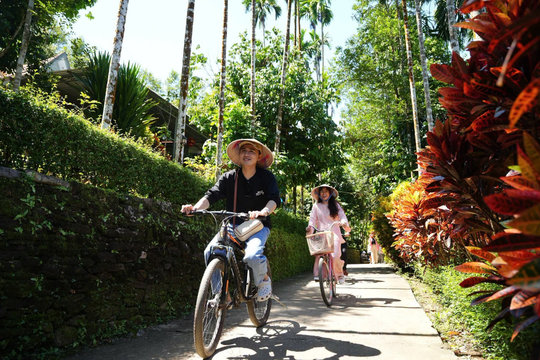
Ecotourism, agricultural tourism, community-based experiences, and traditional craft villages will receive assistance in infrastructure, digital transformation, skills training, branding and market access.
This approach creates opportunities for local communities to turn their cultural heritage, traditional knowledge, and natural assets into sustainable sources of income.
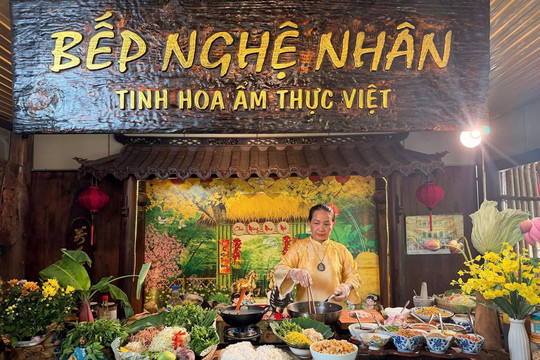
The resolution also opens the door to emerging tourism business models, including digital platforms, sharing-based services, riverside and coastal entertainment complexes, and experiences combining culture, sports, and wellness.
Controlled pilot schemes will allow selected entertainment and cultural venues to operate around the clock, while streamlined licensing procedures will facilitate major international performances and events. Visa facilitation is another important pillar.
Vietnam aims to expand bilateral visa exemptions for key and high-potential markets as well as explore tailored visa and residency arrangements for remote workers, medical tourists, and long-stay visitors.
Combined with investment in transport connectivity, smart tourism infrastructure and destination promotion, these measures are expected to enhance Vietnam’s appeal to international travelers seeking more than conventional sightseeing.

For Da Nang, one of Vietnam’s three designated tourism growth poles alongside Ha Noi and Ho Chi Minh City, the resolution presents an opportunity to turn its exceptional natural and cultural assets into a stronger international tourism brand.
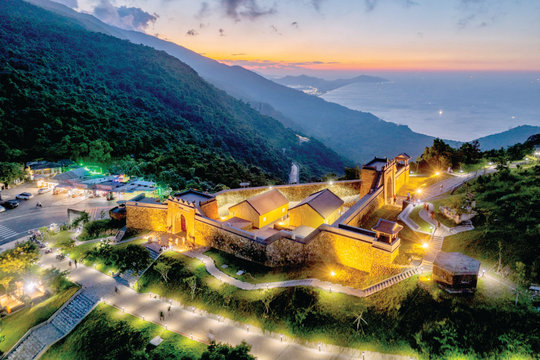
Few destinations in Vietnam offer such a remarkable combination of coastal scenery, mountain landscapes, world-class resorts, and cultural heritage within convenient reach.
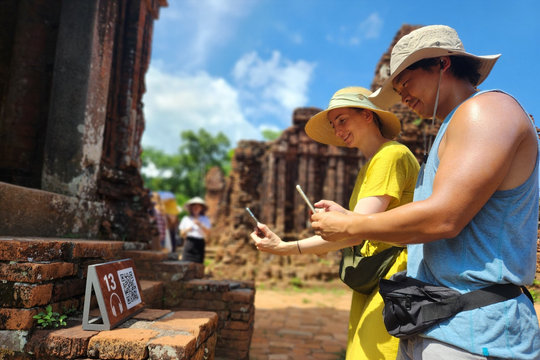
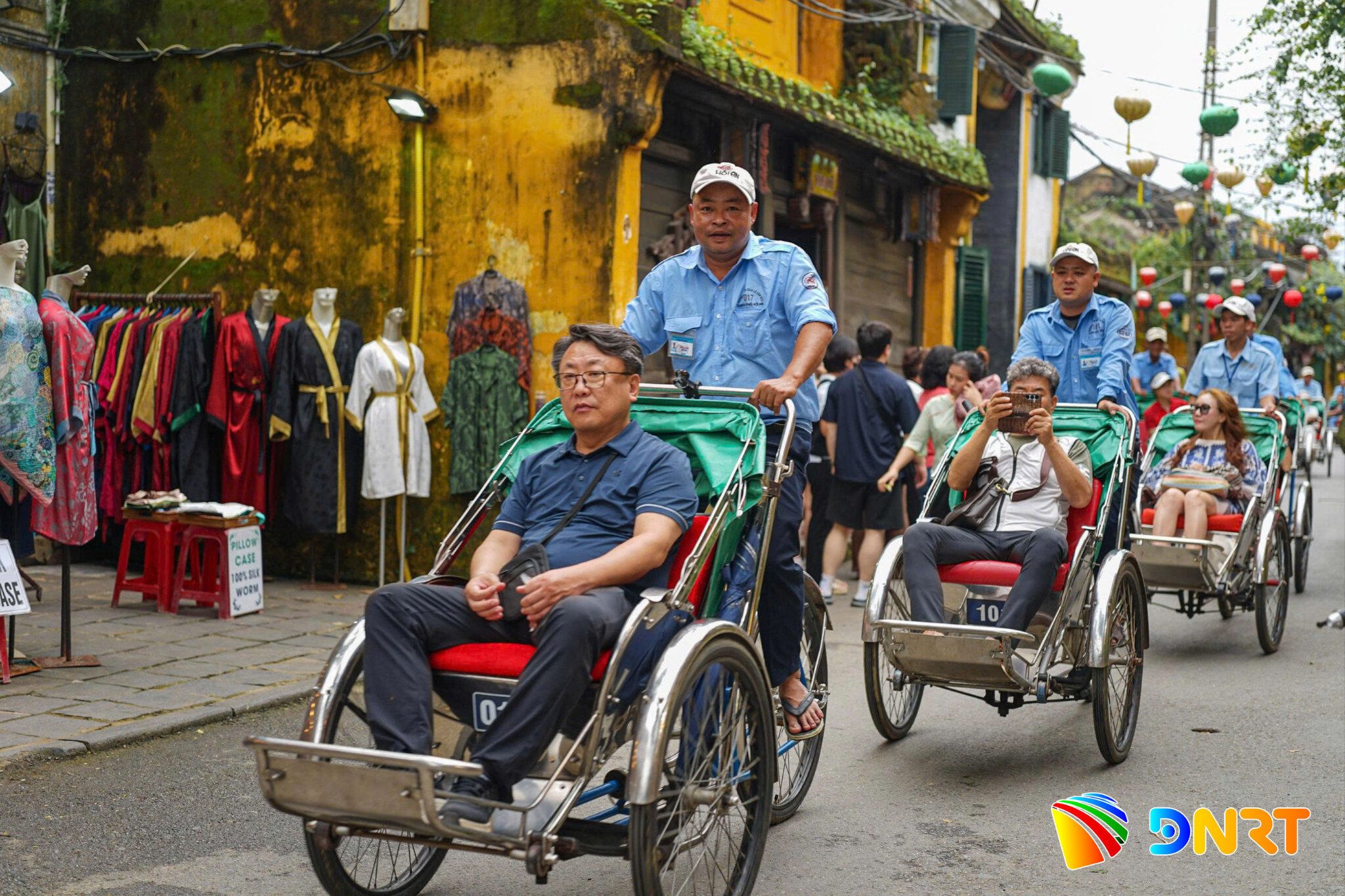
From the sweeping beaches of My Khe and the pristine beauty of Son Tra Peninsula to the spectacular landscapes of Ba Na Hills and the heritage-rich destinations of Hoi An and My Son, Da Nang and its surrounding region offer visitors a rich tapestry of experiences.
This diversity provides a strong foundation for developing integrated tourism products spanning luxury holidays, cultural exploration, nature-based adventures, entertainment, wellness, and MICE (meetings, incentives, conferences, and exhibitions).
With improved connectivity and an increasingly sophisticated tourism services sector, Da Nang is well placed to attract international investment and high-spending visitors while encouraging longer stays and repeat visits.
The new incentives for opening or restoring air routes, developing tourism infrastructure, and promoting destinations could further strengthen the city’s international connections.
Meanwhile, opportunities to develop night-time entertainment, large-scale cultural performances and innovative leisure experiences will help diversify its tourism offerings and bring greater vibrancy to the city after dark.
Yet, the next phase of growth will depend not only on investment capital but also on a shared commitment to quality, sustainability, and local identity.
Preserving cultural heritage, protecting natural ecosystems and ensuring that local communities benefit from tourism development will be essential to maintaining the destination's appeal for generations to come.
With a decade-long policy framework now in place, Vietnam has an opportunity to transform its tourism ambitions into lasting achievements.
For Da Nang, the challenge is to turn its natural advantages, cultural richness and growing international profile into distinctive experiences that resonate with travelers worldwide.
By combining strategic investment with innovation and sustainable development, the city can further consolidate its position as a gateway to Central Vietnam and an increasingly prominent destination on the global tourism map.