Inside a traditional lion head-making workshop in Da Nang
Translated by MAI DUNG•22/09/2026 10:56
DNO - Driven by a great passion for the lion, dragon, and unicorn dancing, Mr. Ho Minh Man, a resident of An Khe Ward, Da Nang, has spent over 20 years pursuing the craft of making traditional lion heads by hand.
Each product undergoes numerous stages of production from building frame, and applying paper layers to painting, attaching fur and installing accessories.
The finished lion heads not only serve performances but also carry the story of the craft and the culture of the lion, dragon, and unicorn dancing.
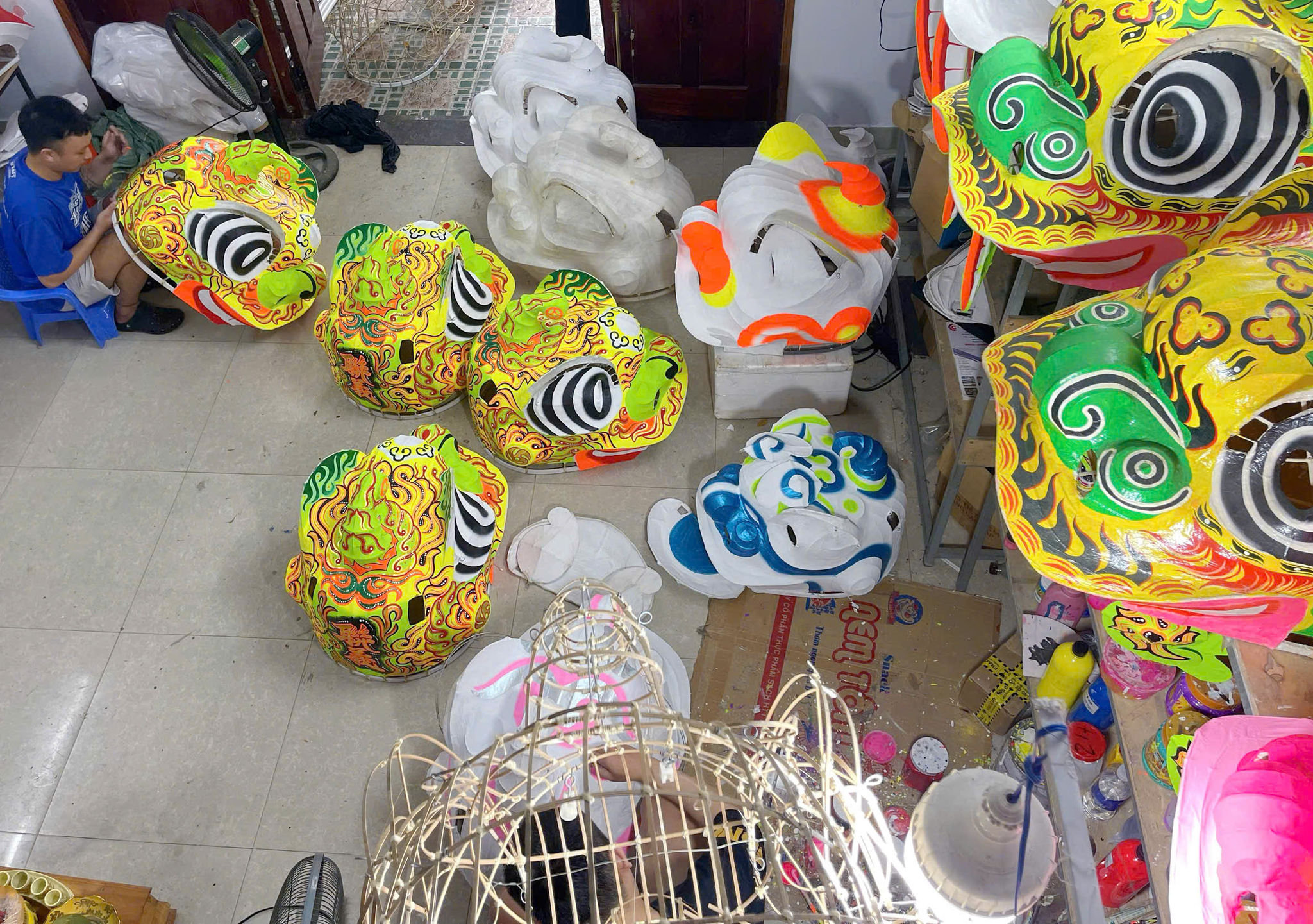
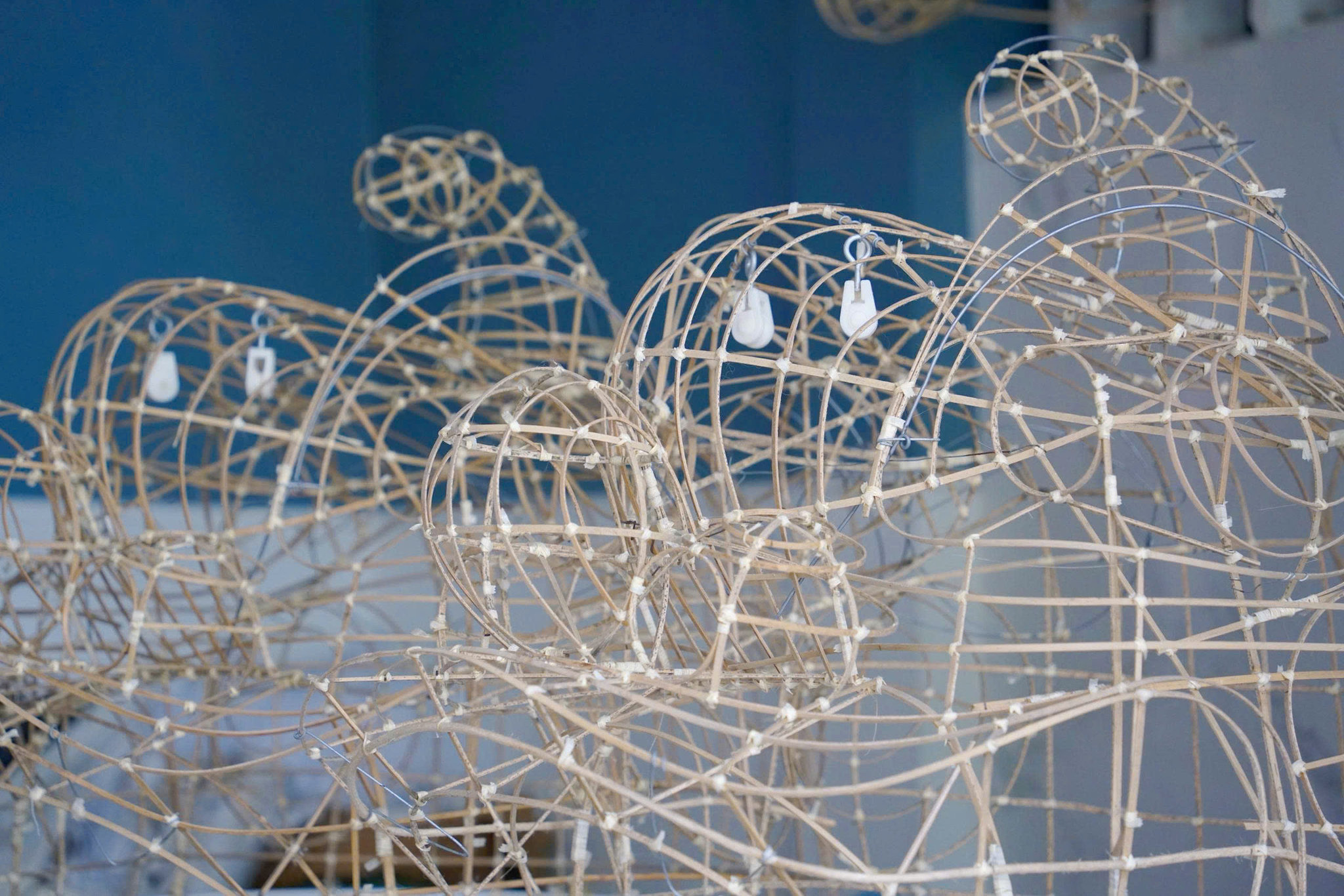
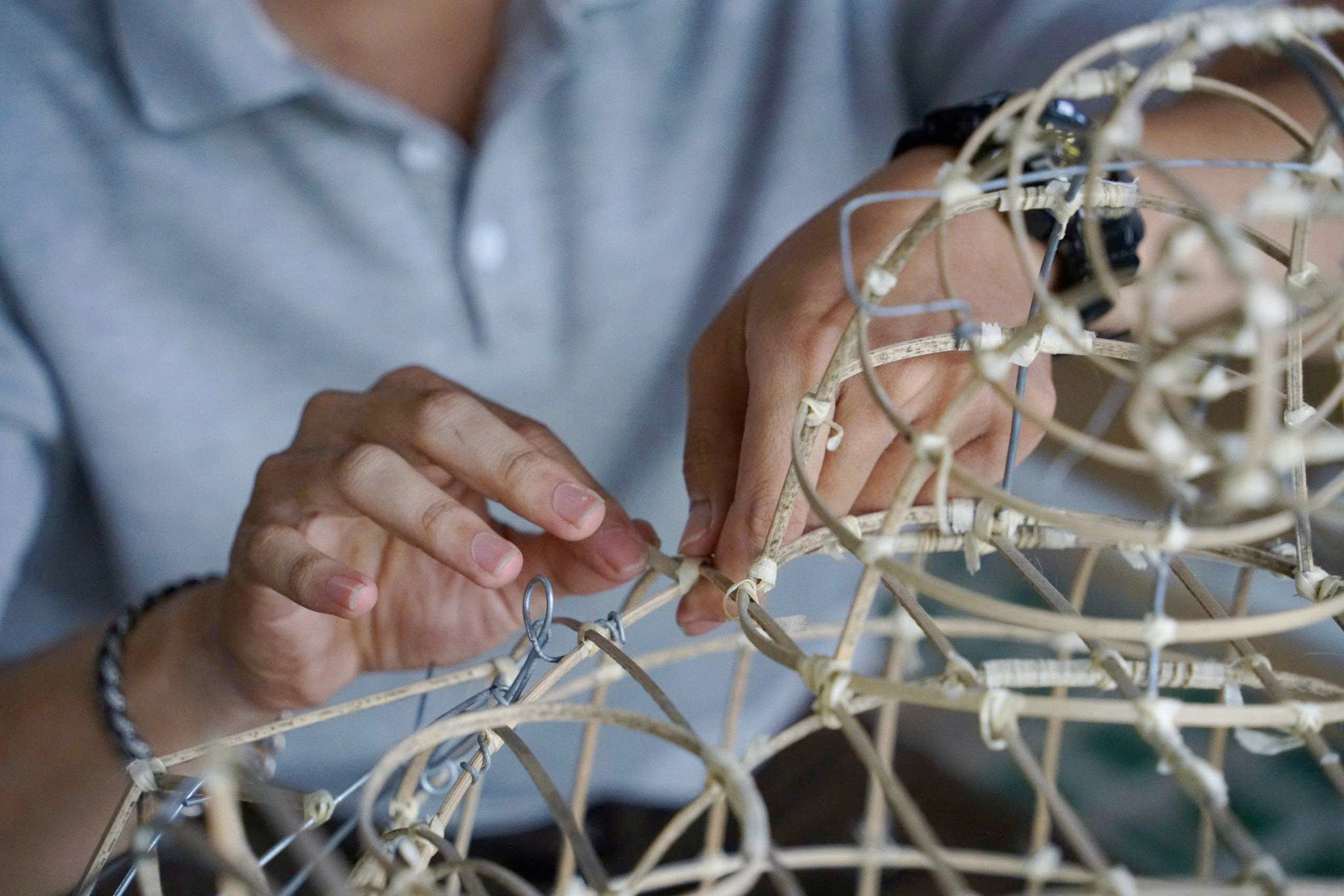
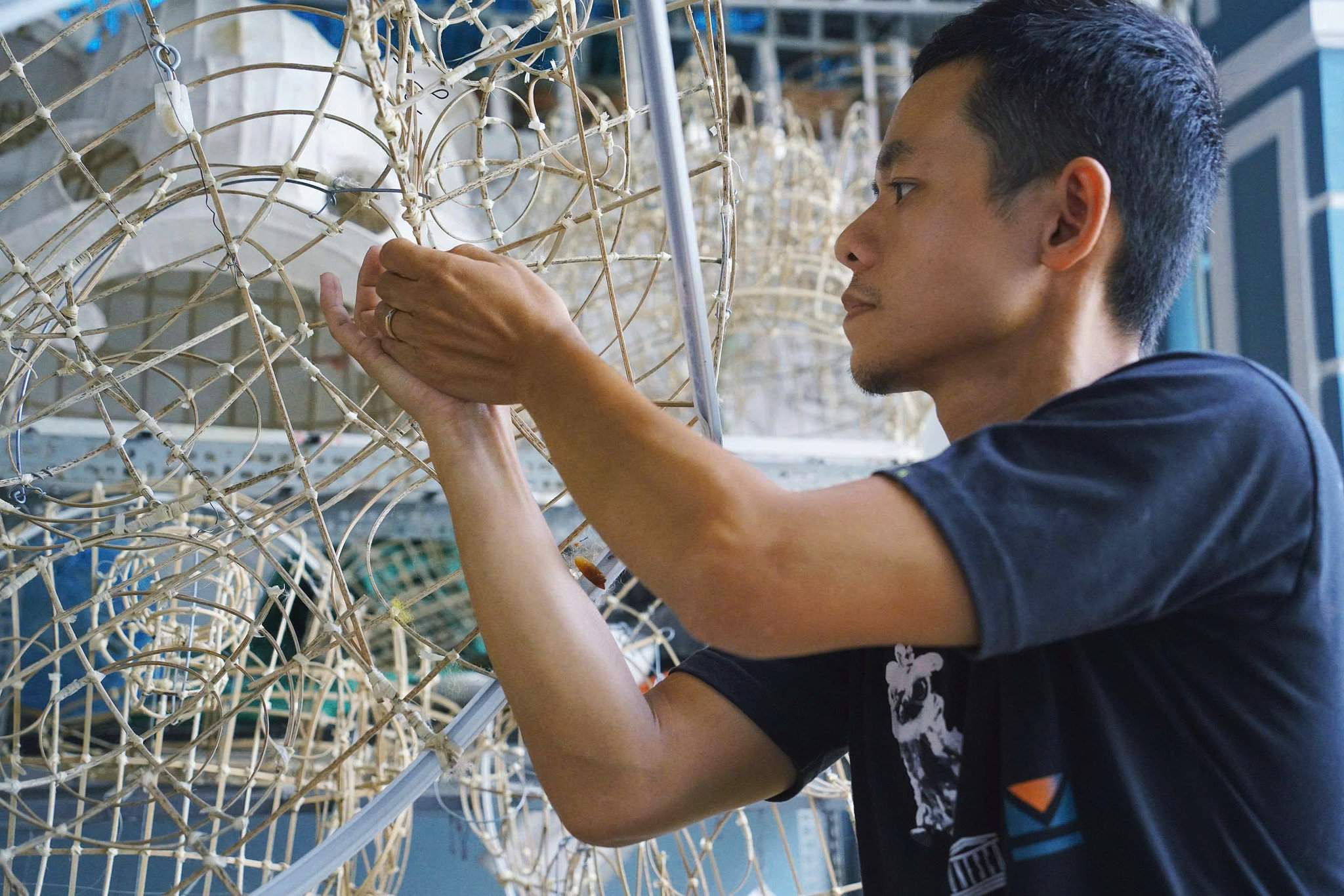
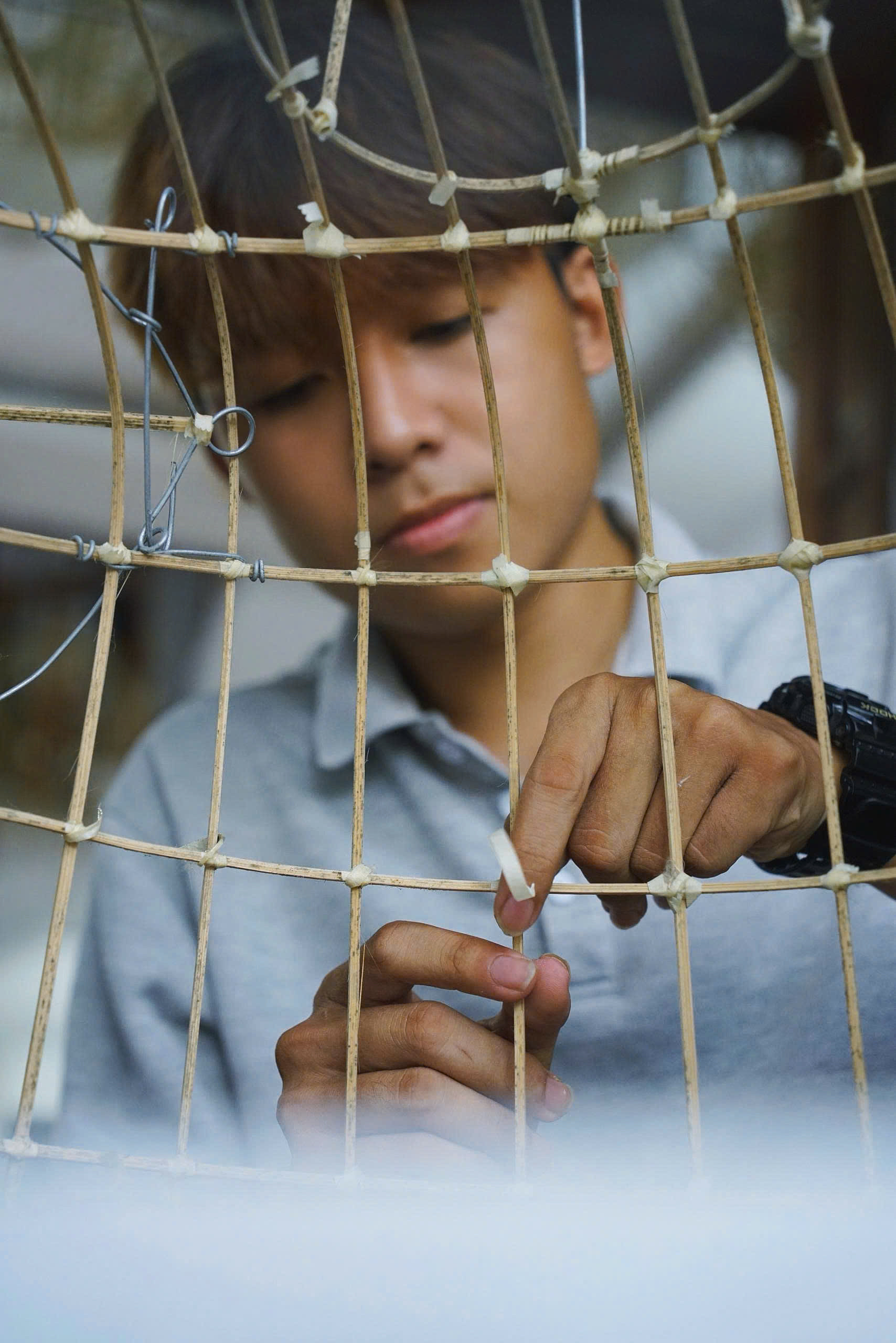
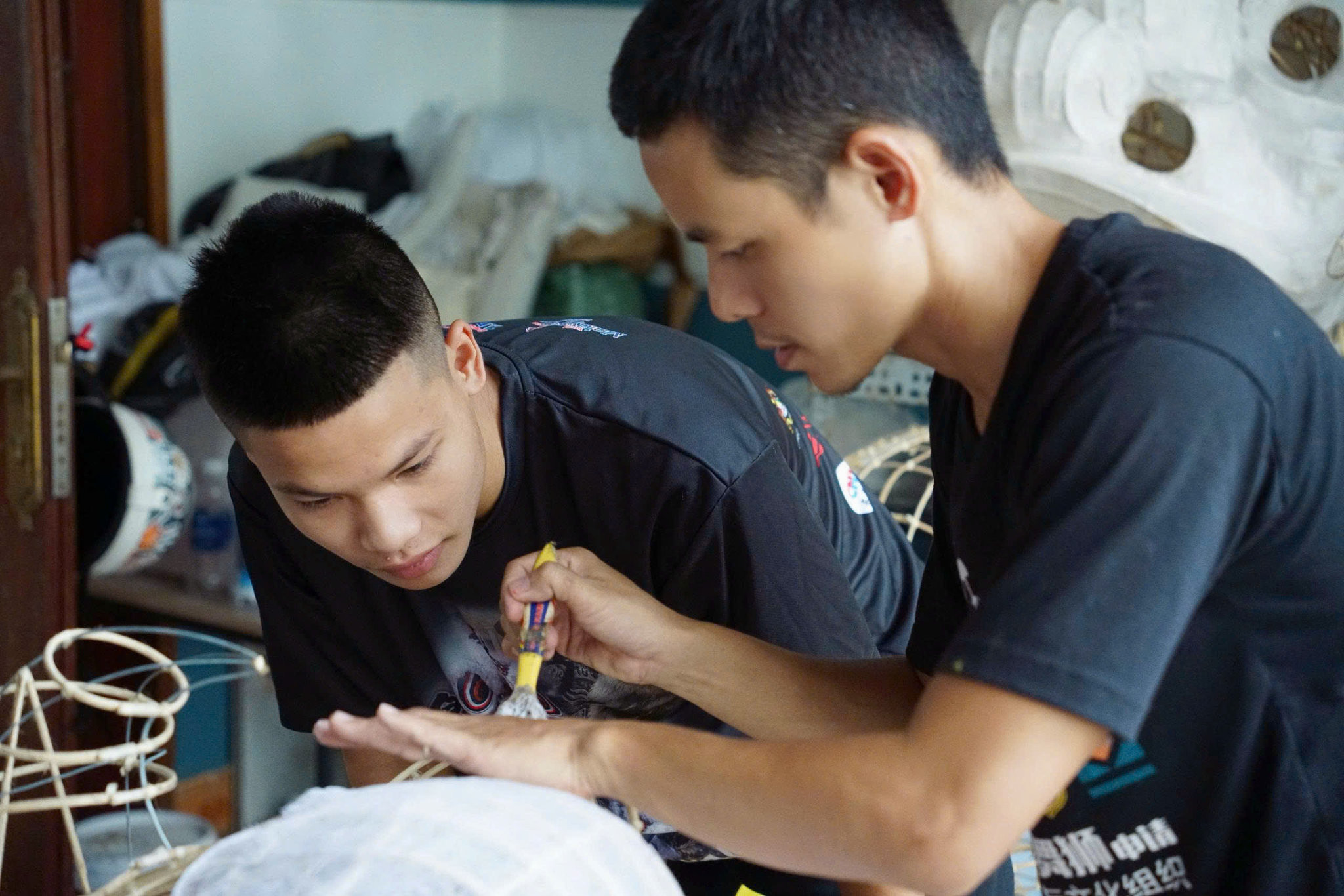
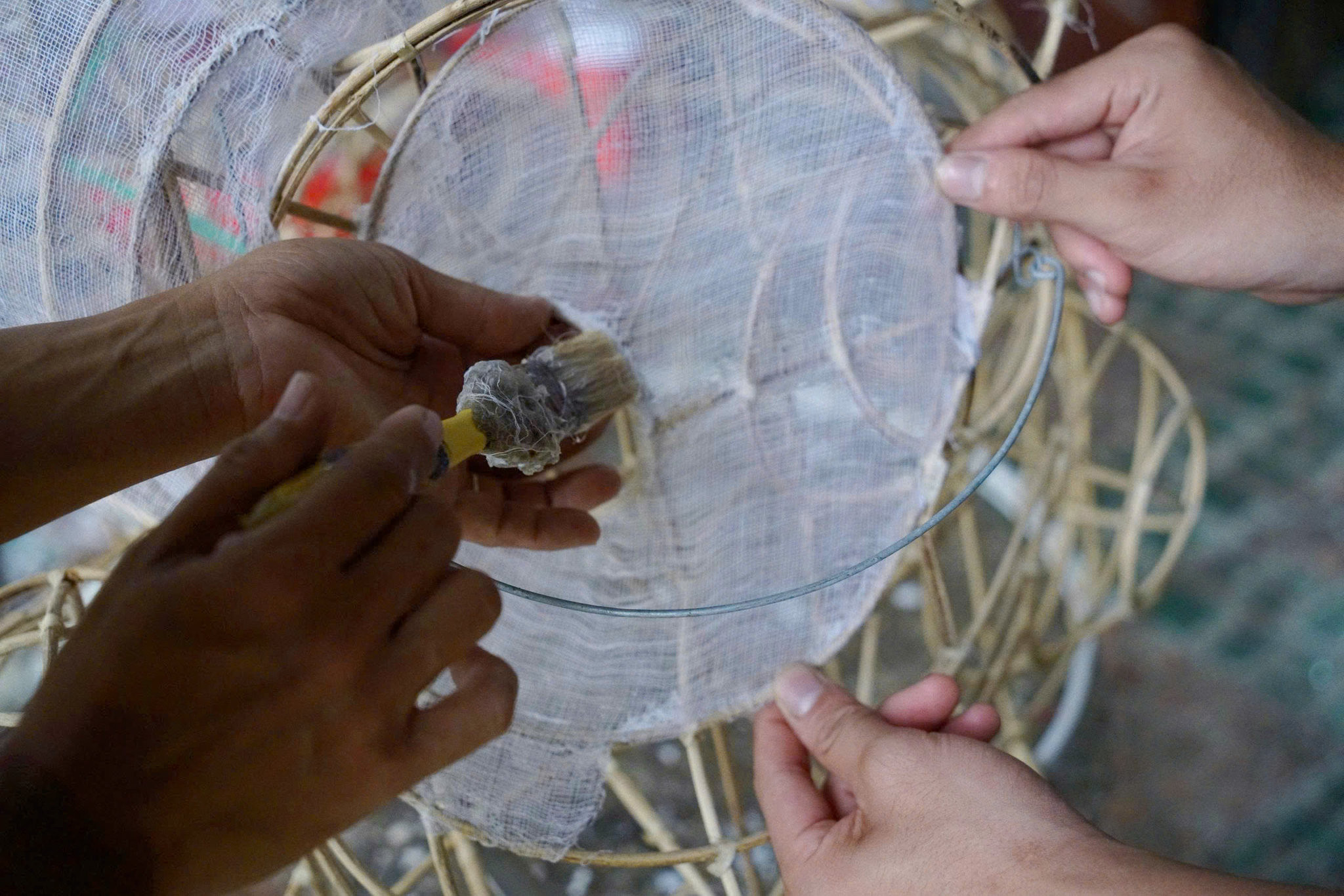
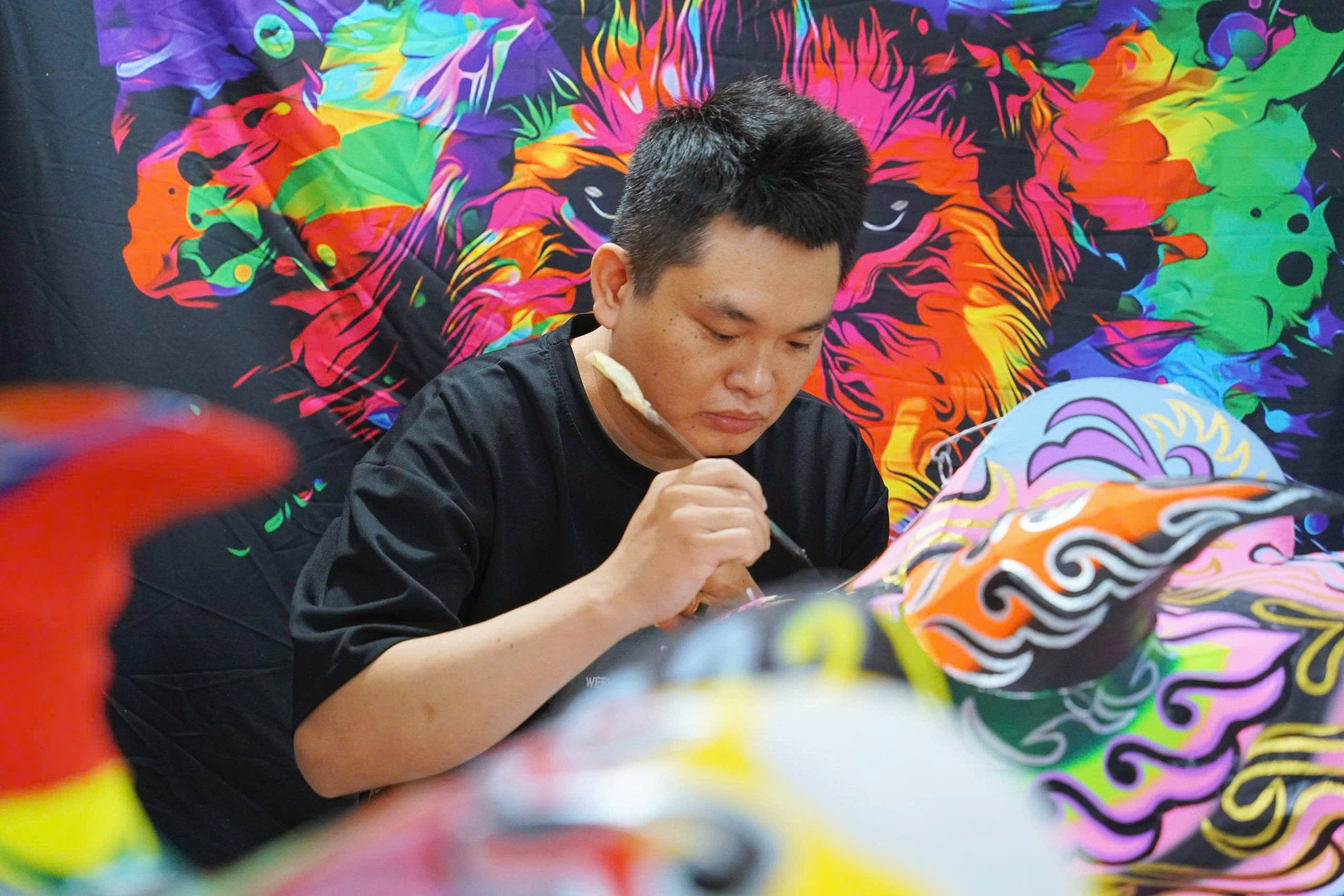
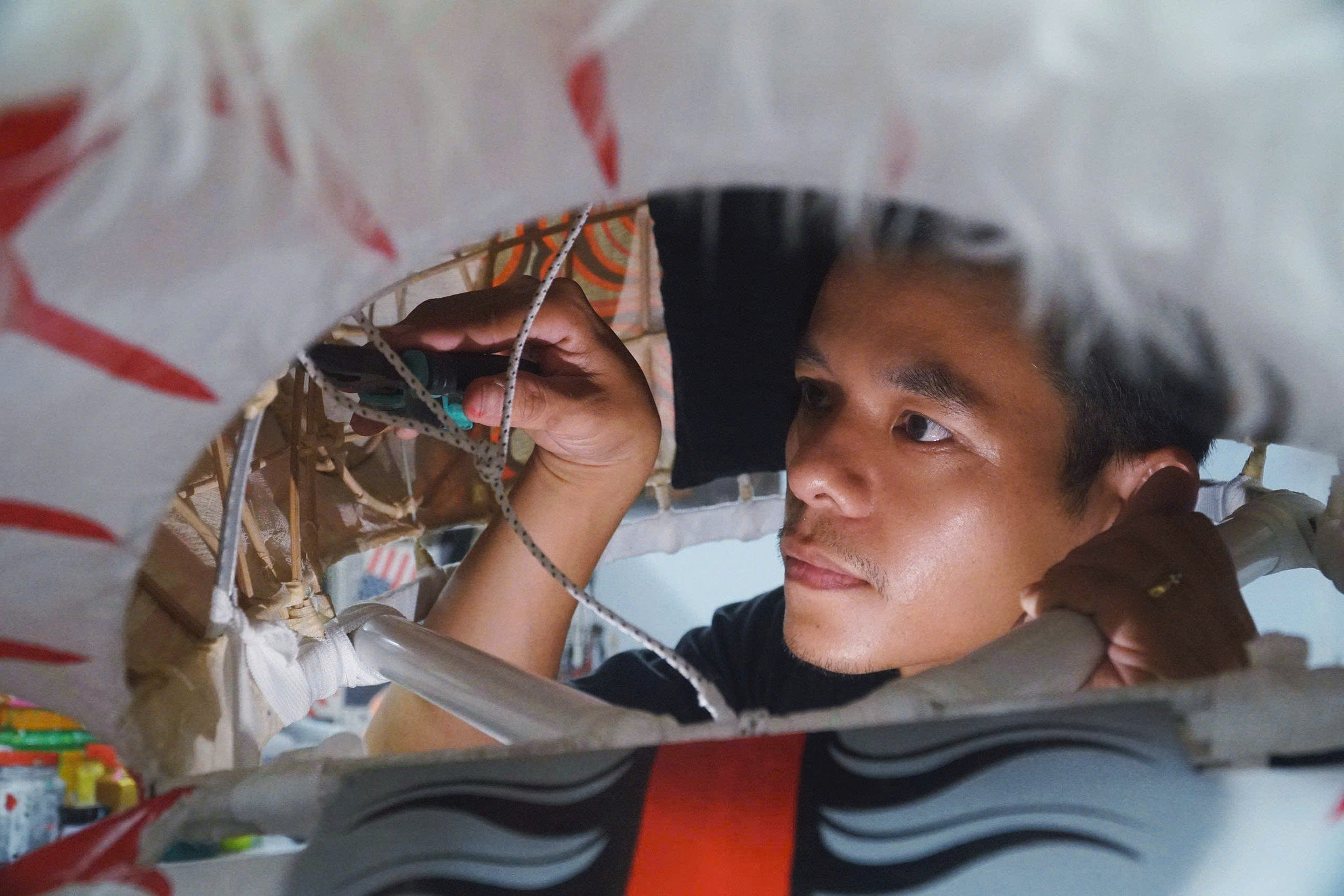
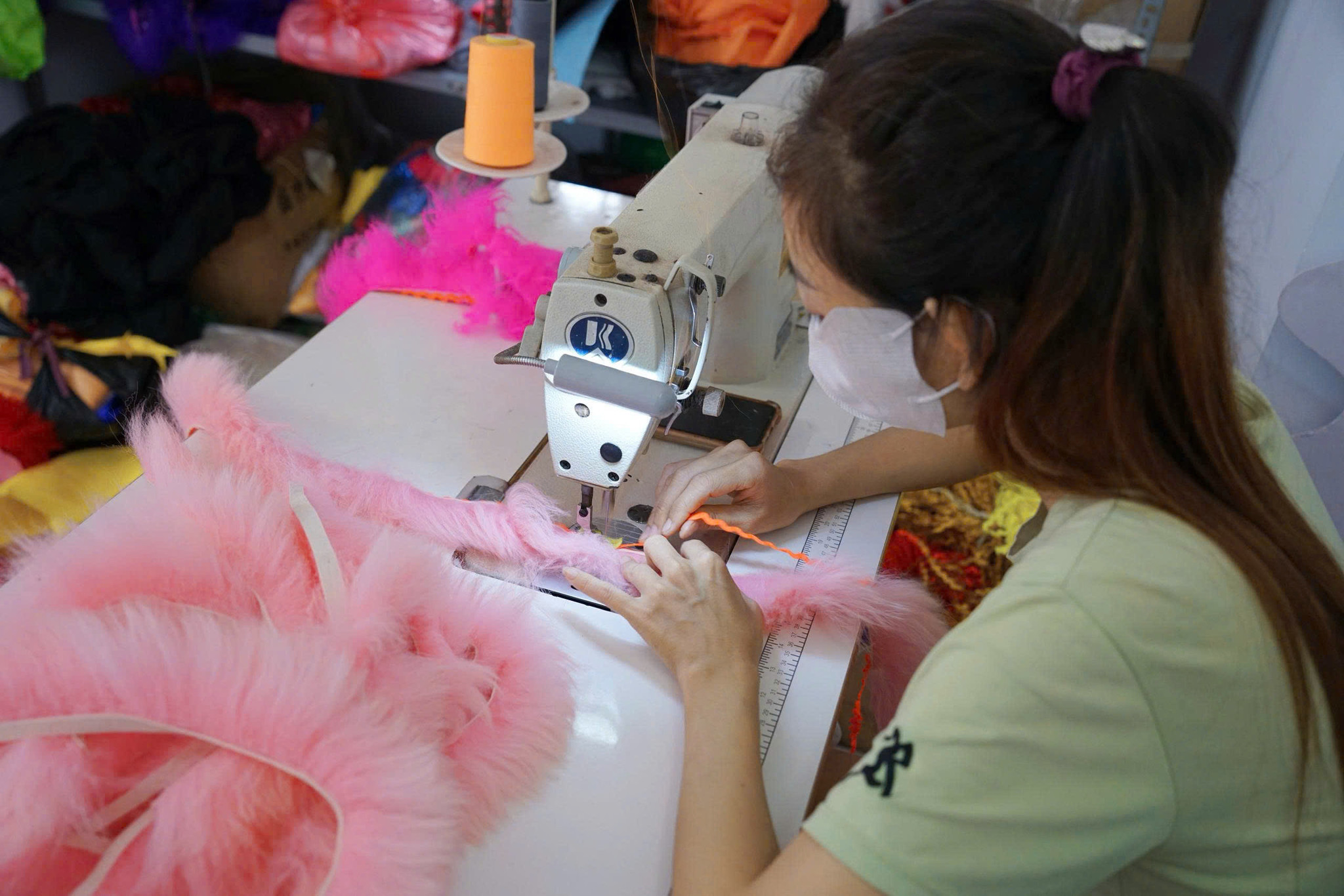
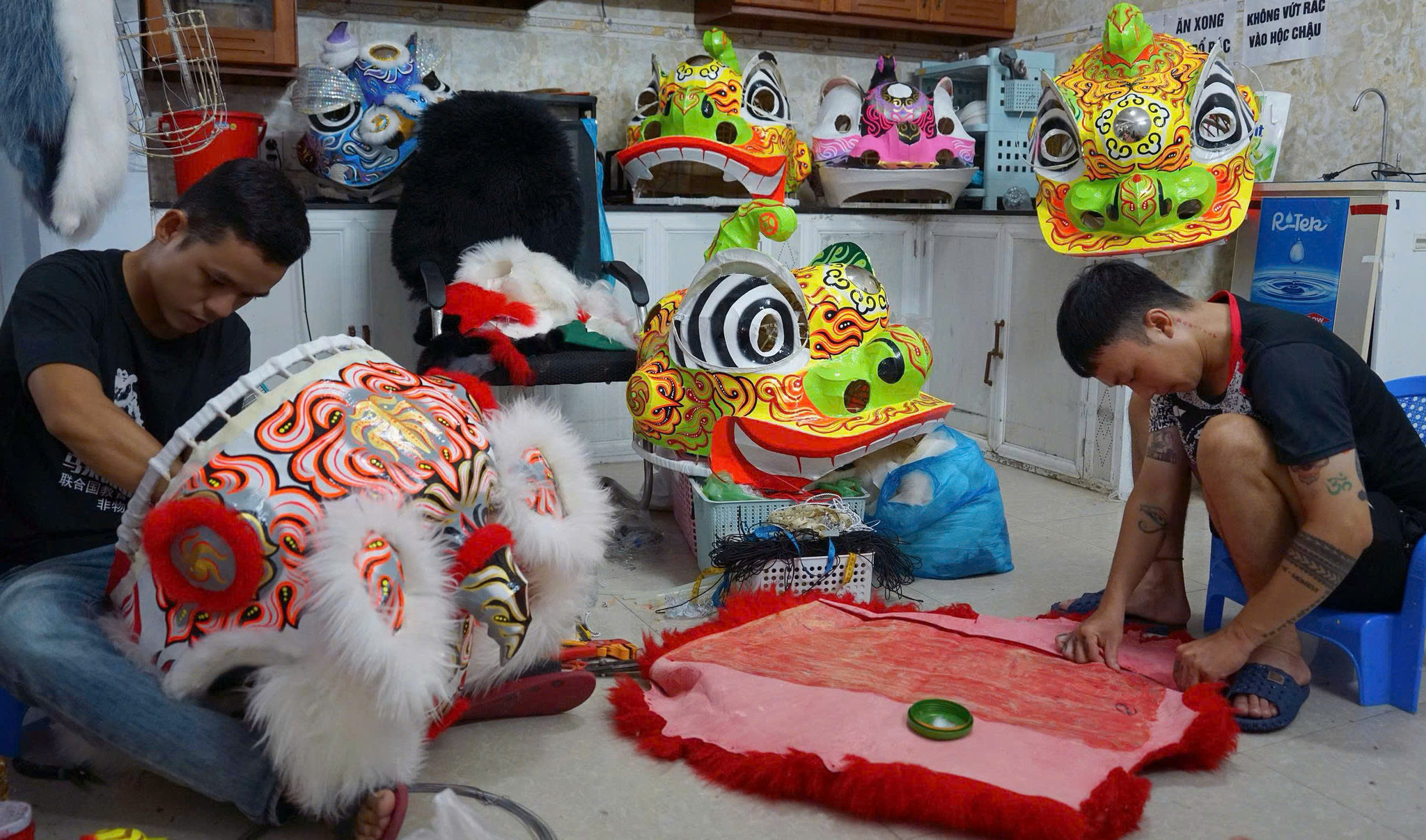
These days, the workshop is filled with lion head frames under various stages of completion, and finished products awaiting delivery. Photo: TRAM ANH - HUU TRUNGThe first step in making a lion head is building its frame from bamboo or rattan. Photo: TRAM ANH - HUU TRUNGLion head frames can be made from bamboo or rattan. Bamboo is stronger and more rigid but can break easily if not properly treated, while rattan is more flexible, elastic and better able to withstand impacts. Products made with bamboo frames are generally more expensive because they are more difficult to craft. Photo: TRAM ANH - HUU TRUNGThe artisan constantly adjusts the proportions and curvature to ensure the frame maintains a balanced shape. Photo: TRAM ANH - HUU TRUNGThe joints are secured with wire and adhesive tape, making the frame sturdy before it moves on to the paper-laying stage. Photo: TRAM ANH - HUU TRUNGOnce completed, the lion head frame is covered with mesh fabric and layers of paper. Photo: TRAM ANH - HUU TRUNGCovering the frame with mesh fabric and applying layers of paper requires skill to ensure the surface is fully and evenly covered without altering the shape of the frame. Photo: TRAM ANH - HUU TRUNGOnce the paper has dried and set, the lion head moves on to the priming and decorative painting stage. The patterns, lines and colors help create the distinctive character of each lion head. Photo: TRAM ANH - HUU TRUNGThe handle is one of the technical components fitted inside the head. Although barely visible, it is crucial for the head’s actual use. Photo: TRAM ANH - HUU TRUNGEach strip of fur is carefully sewn and adjusted before being attached to the lion head. Meticulous stitching ensures the fur follows the shape of the head, creating an even and harmonious overall appearance. Photo: TRAM ANH - HUU TRUNGThe workshop currently produces three main styles of lion heads: Phat Son, Hac Son and Phat Hac. Each style has its own distinctive features, reflected in the mouth shape, horns, lines and decorative style. Photo: TRAM ANH - HUU TRUNGThe final trimming stage completes the lion head before it leaves the workshop. Photo: TRAM ANH - HUU TRUNG




.jpg)