

Gửi bình luận
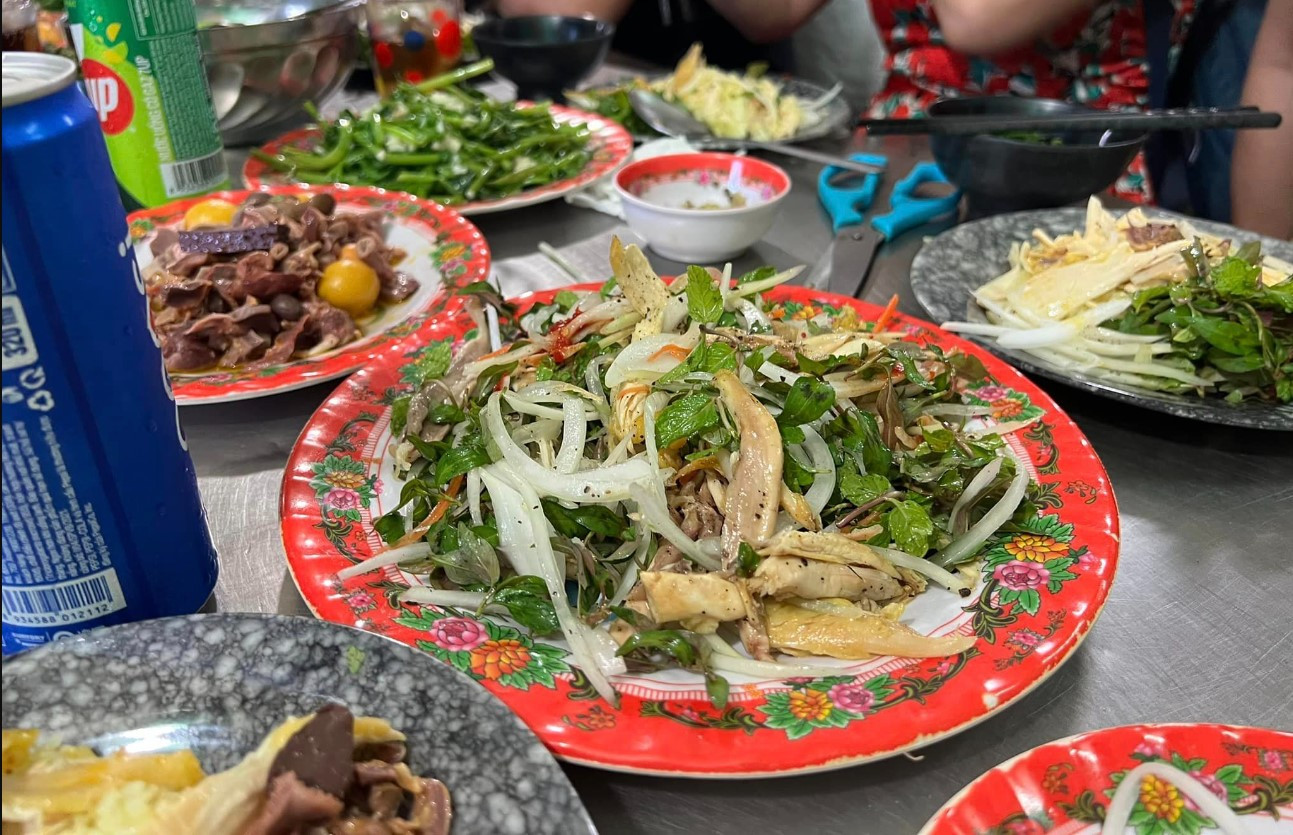
DNO - Among the rich culinary treasures of Hoi An Ancient Town in Da Nang, chicken rice has long been a familiar dish to both locals and visitors at both home and abroad.
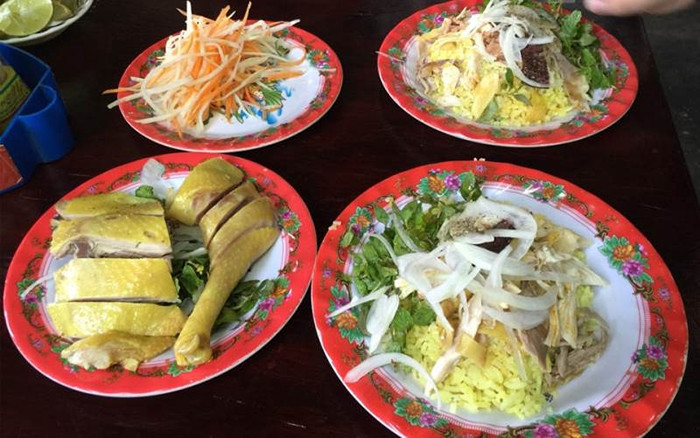
Hoi An chicken rice through Nir Avieli’s culinary perspective
When it comes to Hoi An cuisine, alongside Cao Lau noodles, few dishes are more deserving of a top place than chicken rice. Elegant in flavor and pleasing to the palate, the dish can be enjoyed year-round and remains a source of boundless pride of the people of Hoi An.
Despite its popularity and distinctive taste, however, little formal research had been devoted to tracing the origins of Hoi An chicken rice or documenting its unique preparation methods.
For many years, the dish existed largely as a form of folk culinary knowledge, with recipes and techniques passed down from one generation to the next.
That began to change when Nir Avieli, a young Israeli traveler, arrived in the ancient town in early March 1994. Captivated by Hoi An, he spent many years researching the town through the lens of food culture and community life.
In his research, Nir Avieli identified chicken rice as one of Hoi An’s signature specialties, documenting it through extensive observations and rich cultural perspectives.
He described chicken rice as “a truly popular dish in Hoi An”. According to his accounts, the dish was available every late afternoon and commonly eaten for dinner at more than twenty locations throughout the town.
Its regular customers were workers and lower-middle-class residents, although wealthier locals also occasionally treated themselves to a plate of chicken rice.
Most notably, he observed that at the time, chicken rice was a favorite dish among local residents yet rarely appeared on the menus of restaurants catering specifically to foreign tourists.
Through Nir Avieli’s perspective, Hoi An chicken rice emerged as a cultural symbol closely tied to urban life in Hoi An. It reflected daily habits, social classes, community memories, and the rhythm of Hoi An's life through different periods.
His writings have since become valuable sources of information, contributing to shaping a deeper understanding of Hoi An chicken rice as a culinary heritage closely linked to the local cultural identity.
Elevating “Hoi An chicken rice” brand
Since Hoi An transformed and integrated into the global spotlight as a UNESCO World Heritage Site, chicken rice has opened up new business opportunities for many local residents.
No longer associated only with the familiar images of women such as Ba Vong, Ba Minh or Ba Buoi carrying shoulder poles through the streets each afternoon, chicken rice has evolved into a defining culinary feature of the town.
Today, it is represented by well-known eateries such as Gieng Dinh, Anh Xi, Huong Sica, An Hien, Long and Ty, while also appearing on the menus of restaurants and high-end hotels.
Together with Cao Lau noodles, white rose dumplings, clam salad, ‘banh trang dap’ (crushed rice paper) and corn sweet soup, chicken rice helped establish Hoi An as one of Asia’s top 10 destinations for food in 2011, as voted by Tripadvisor.
Over time, the dish has remained beloved by local people while becoming one of the must-try specialties for visitors to Hoi An. It has grown beyond its role as an everyday meal to become a culinary signature closely associated with the identity of the ancient town.
Today, the identification and branding of “Hoi An chicken rice” is not just a culinary story, but also a story of preserving local cultural values.
Along that journey, Nir Avieli's remains one of the earliest and most systematic records documenting the presence of this dish in the daily life of Hoi An people.