
Gửi bình luận
DNO - Imagine arriving in Da Nang and discovering a Co Tu cultural exhibition, a traditional festival or a live performance happening just around the corner, all with just a few taps on your phone.
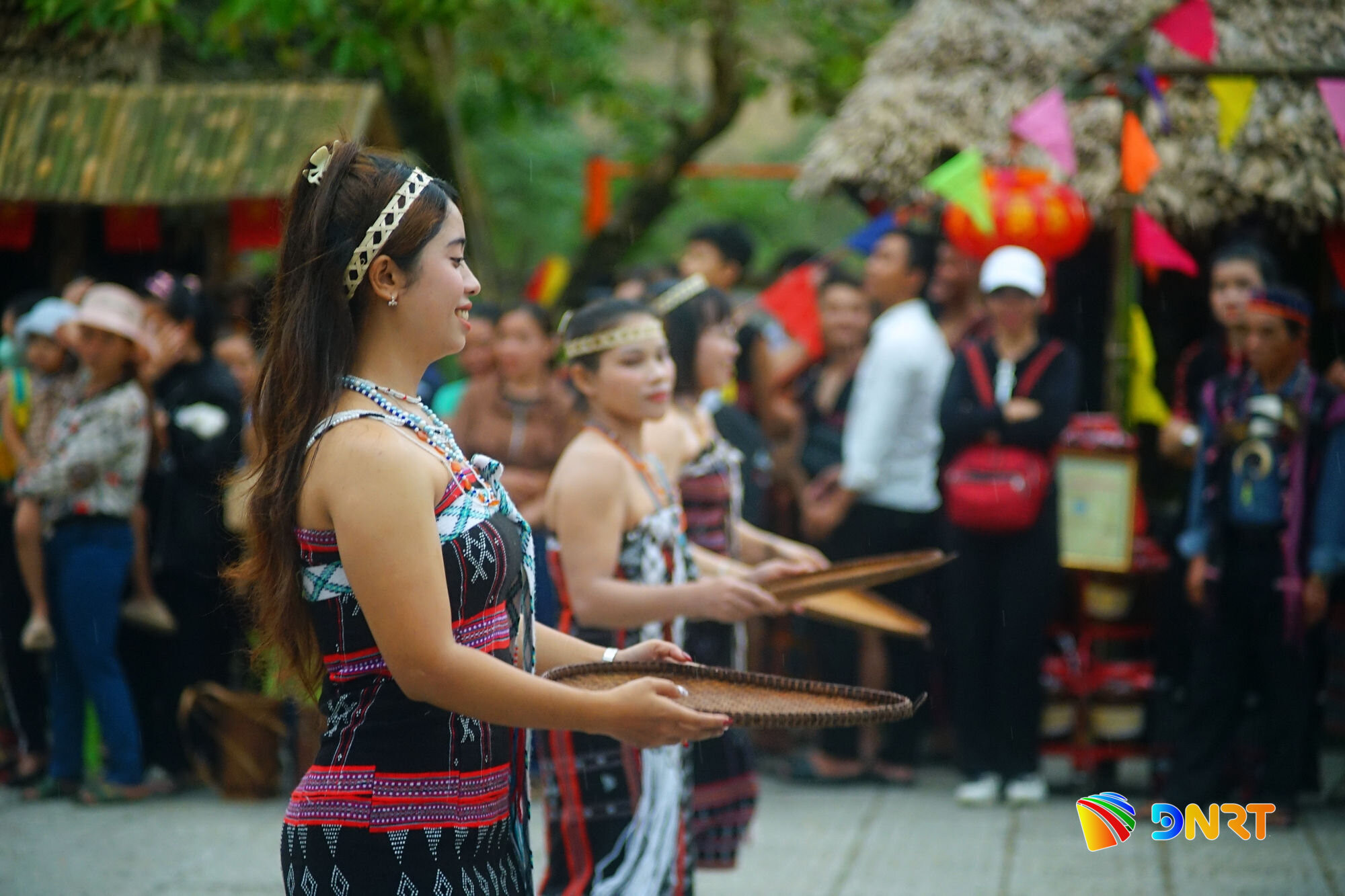
Vietnam’s new digital cultural map aims to make that possible, opening up fresh ways to explore the country's heritage, events and local experiences across all 34 provinces and cities.
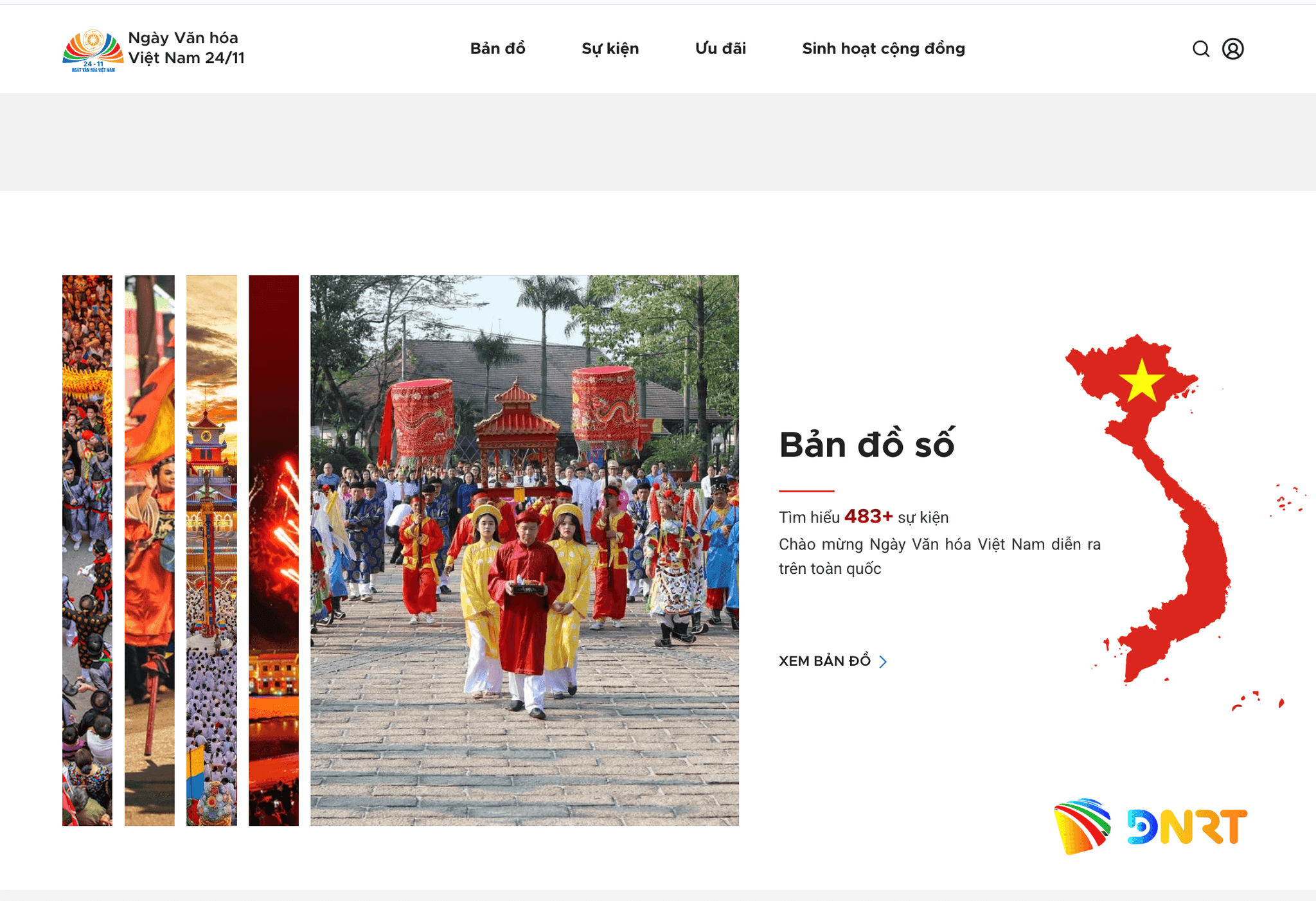
Launched on November 1 by the Vietnamese Ministry of Culture, Sports and Tourism, the Vietnam Cultural Map (CMAP) is turning the country’s cultural landscape into an interactive digital gateway, bringing heritage sites, museums, festivals and tourism activities together on a single platform.
Accessible at cmap.vn, the platform allows users to search for cultural attractions and events through a visual map, making it easier for residents and international visitors to discover what is happening, where it is happening and what they can experience along the way.
The initiative comes as digital technology creates new opportunities to bring cultural heritage closer to the public and expand the reach of local destinations.
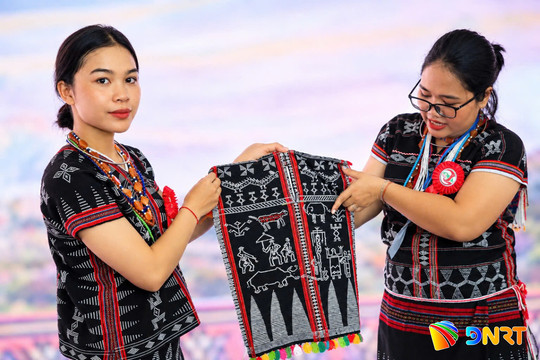
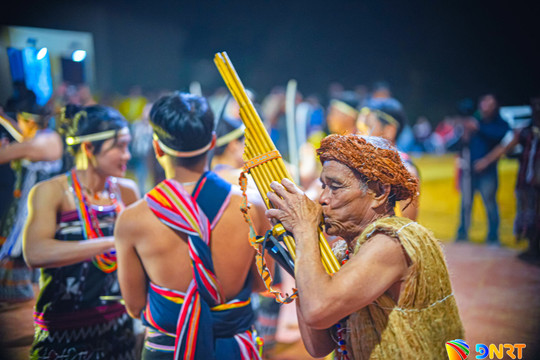
Da Nang is among the localities featured on the platform. As of November 10, CMAP had listed 16 ongoing and upcoming events in the city, ranging from the exhibition “Plants in the Cultural Life of the Co Tu Ethnic Group” and Da Nang Cultural Heritage Festival 2026 to a special artistic program celebrating cultural values and national solidarity.
Visitors can also find information about year-end performances at Da Nang International Airport.
Rather than functioning simply as an online directory, CMAP is designed as a comprehensive digital information system covering cultural, sports and tourism infrastructure.
It enables continuous updates on artistic programs, traditional festivals, community sports competitions and heritage travel itineraries, creating a growing digital repository of the country's cultural resources.
Its location-based search function offers another practical advantage. Visitors can identify cultural and sporting events taking place near their current location, discover activities they might otherwise overlook and find inspiration for their next stop.
Images and other digital materials also provide a lasting record of cultural events, extending their visibility beyond the time and place where they take place.
For international travel companies, the platform could become an important bridge between cultural discovery and tourism services.
Mr. Can Dinh Hieu, General Director of HBC Besttour Vietnam International Travel Joint Stock Company, sees considerable potential for CMAP to evolve into a digital ecosystem connecting culture, tourism, services and commerce.
He points to its location-based recommendation feature as particularly useful. A visitor arriving in Da Nang, for instance, could open the platform to find suggestions, supported by photographs and videos, about festivals and events taking place or scheduled in the city. Such a feature could help turn a routine sightseeing trip into a more meaningful encounter with local culture.
The next step could be to connect cultural discovery directly with the services that visitors need. Mr. Hieu suggests linking CMAP with local tourism information portals to provide reliable, updated details about attractions, heritage sites, festivals, cuisine and distinctive tourism products.
Connections with travel companies’ tour sales, ticket booking and online payment systems could allow visitors to research destinations, select itineraries and arrange services through a more seamless digital experience.
Technology could further enrich visits to museums and heritage sites through QR codes, multilingual audio guides, augmented reality (AR) and virtual reality (VR). Artificial intelligence could help travelers create personalized itineraries based on their time, budget, interests and location, while suggesting more efficient sightseeing routes.
Stronger links with traditional craft villages, artisans, OCOP (One Commune - One Product)-certified products, accommodation providers and community-based tourism operators could also give local businesses greater visibility and create new income opportunities.
“The decisive factor in CMAP’s success lies in its ability to connect stakeholders and deliver practical benefits to them”, Mr Hieu said.
For authorities, the platform could provide another tool for cultural management and destination promotion.
For businesses, it could open additional channels to reach customers and develop products. For visitors, it could make cultural experiences and tourism services easier to discover and access.
Ultimately, CMAP aims to do more than showcase places and events on a digital platform. By connecting heritage, communities and tourism through technology, Vietnam is making its cultural identity more visible, accessible and engaging to audiences both at home and around the world.