
Gửi bình luận
DNO - The folk cuisine of Da Nang has long been famous for its uniqueness, diversity, and deep cultural roots. In addition to preserving and developing the value of local culinary heritage, building a local culinary brand plays an important role in promoting culture and enhancing the visitor experience.
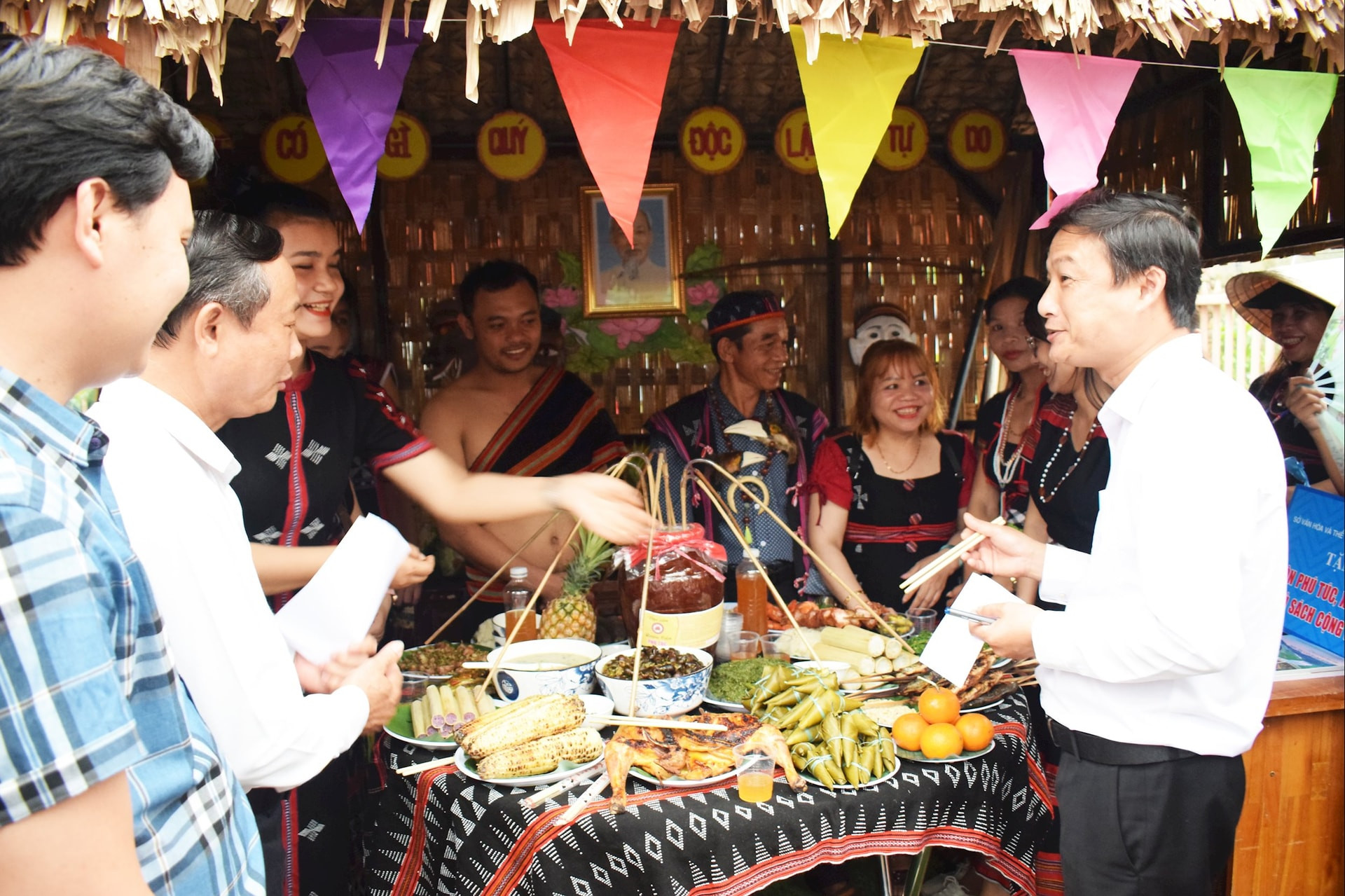
A highlight of Da Nang’s cuisine is traditional craft villages such as Tra Que, Cu Lao Cham, Nam O and Dai Loc. These not only ensure the quality of ingredients but also shape the identity and enhance the value of local dishes.
To preserve and promote indigenous cuisine, Master’s degree holder Le Thi Dieu Mi, member of the Da Nang Folk Arts Association, stressed the need for the city to develop dedicated culinary streets and food markets, as well as integrate spaces for traditional music, chef performances, and virtual experiences showcasing the history of local dishes
She also suggested establishing a “culinary heritage site” classification system from restaurants and street vendors to ingredient-producing craft villages under a unified brand identity.
Aside from well-known specialties, Da Nang should lay emphasis on preserving some rustic dishes that embody local life so as to enrich local folk cuisine such as smashed cassava, ‘che y’ (sticky rice balls in sweet soup), yellow xu xe cakes, ‘che tau x’a (sweet bean soup), and duck blood pudding, she added.
Ms. Mi also underlined the necessity to develop product lines from packaged ‘cao lau’ and Quang noodles, mung bean cakes, traditional jams, and dry specialty snacks according to safety standards in order to make it more convenient for visitors to purchase as gifts or for export.
At the same time, efforts should be made to support young culinary startups and artisans through the "Food Hub" model to preserve traditional recipes, create new presentations, diversify the menu, and meet modern tastes.
Community-based projects should be encouraged. Each commune and ward could establish a club of young artisans and chefs which will serve as culinary consultants, and be responsible for organizing food competitions, and designing a set of identification for local culinary dishes.
In the near future, the Da Nang Culinary Culture Association plans to implement a project on developing distinctive culinary areas across the city, with the first to be the An Thuong Culinary Zone with about 28 stalls, including 8 stalls showcasing Da Nang cuisine and 20 representing cuisine from Vietnam’s three regions.
This culinary area will offer an experience space through such exciting activities as cooking demonstrations, cultural exchange programs, and food tours highlighting local culinary heritage, thereby training chefs specializing in traditional dishes.
Furthermore, mini cultural showcases will be organized to promote the food cultures of ethnic groups such as the Co Tu and Cham peoples.
.jpg "Hoi An’s Tra Que vegetable village bustling with foreign tourists after floods")