Gửi bình luận
DNO - Located in Dong Duong Commune, Da Nang, the Special National Relic of Dong Duong Buddhist Monastery is considered one of the most important “Buddhist sanctuaries” of the Champa Kingdom and Southeast Asia during the medieval period.
According to historical records found in inscriptions, King Indravarman II built the Dong Duong Buddhist Monastery at the capital city of Indrapura in 875.
Upon its completion, the venue became a major center of Mahayana Buddhism in the Champa Kingdom and Southeast Asia.
However, by the late 10th century, amid political upheavals, the Champa administration relocated the capital from Indrapura to Vijaya, now An Nhon Ward, Gia Lai Province.
The Dong Duong Buddhist Monastery subsequently fell into oblivion.
It was not until the early 20th century that researchers from the French École française d’Extrême-Orient (EFEO), including L. Finot and H. Parmentier, discovered, excavated and documented the site.
During excavations, archaeologists and local residents discovered numerous valuable artifacts at the site.
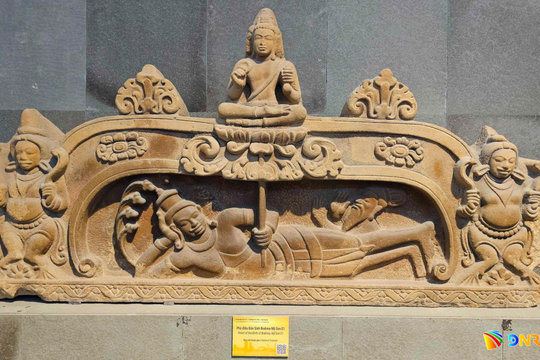
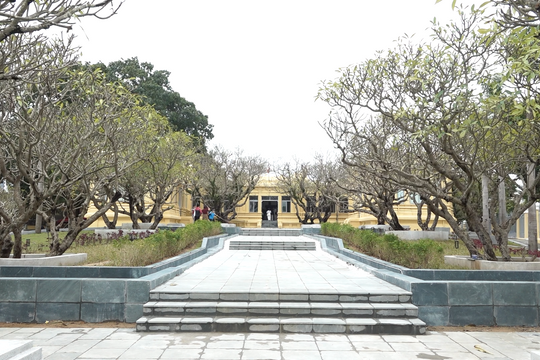
These artifacts are now displayed at the Da Nang Museum of Cham Sculpture and the Vietnam National Museum of History in Ho Chi Minh City. Some of them have been recognized as National Treasures.
Recent archaeological discoveries indicate that the Dong Duong Buddhist Monastery was the core of an urban complex and a major religious center within the capital of Indrapura.
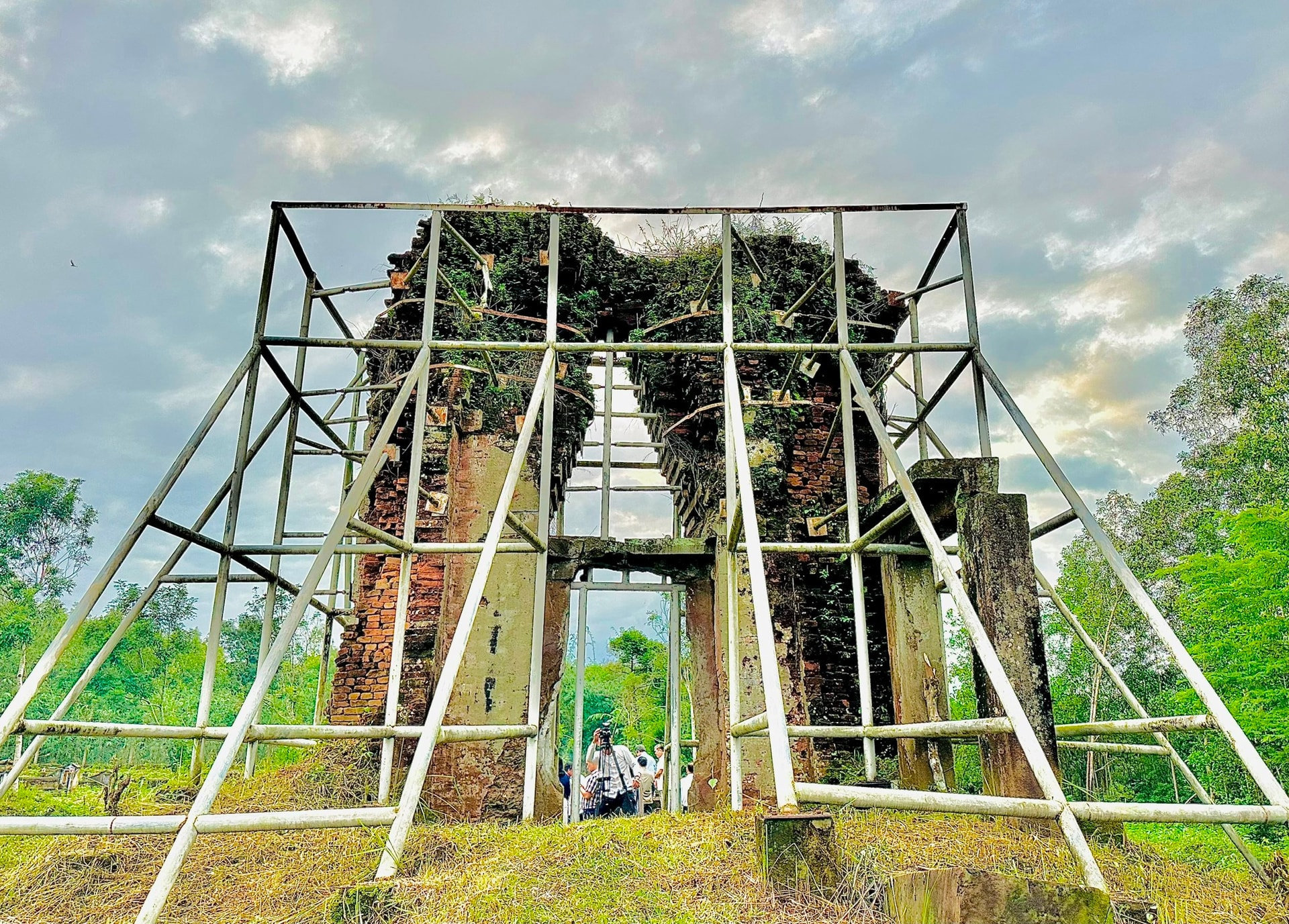
Over more than 1,000 years, most of the institute’s architectural structures have been destroyed, leaving only their foundations and sections of the Thap Sang Tower’s walls, which are now at risk of collapse at any time.
Although now largely in ruins, the Special National Relic of Dong Duong Buddhist Monastery still holds many “mysteries” buried beneath the ground.
The site is of immense and priceless historical and cultural value. It represents an important chapter in the nation’s millennia-old cultural heritage and possesses outstanding universal significance.
The preservation and promotion of the site’s heritage values are therefore urgent.
The Da Nang Department of Culture, Sports and Tourism is coordinating with relevant agencies to propose a plan for the preservation, restoration and rehabilitation of the relic, covering a total area of approximately 85 hectares.
Simultaneously, the city plans to establish a professional management body to lay the groundwork for in-depth research, conservation, and the sustainable promotion of the site for both the present and the future.
