.jpg "Russia grants Vietnamese citizens visa-free stays of up to 30 days")

.jpeg "Let’s explore Da Nang’s lesser-known charms")
Gửi bình luận
DNO - From listing OCOP products on the Grab app to a partnership plan with ShopeeFood, Da Nang is exploring new ways to develop its culinary economy through digital transformation, cultural promotion, and enhanced visitor experiences.
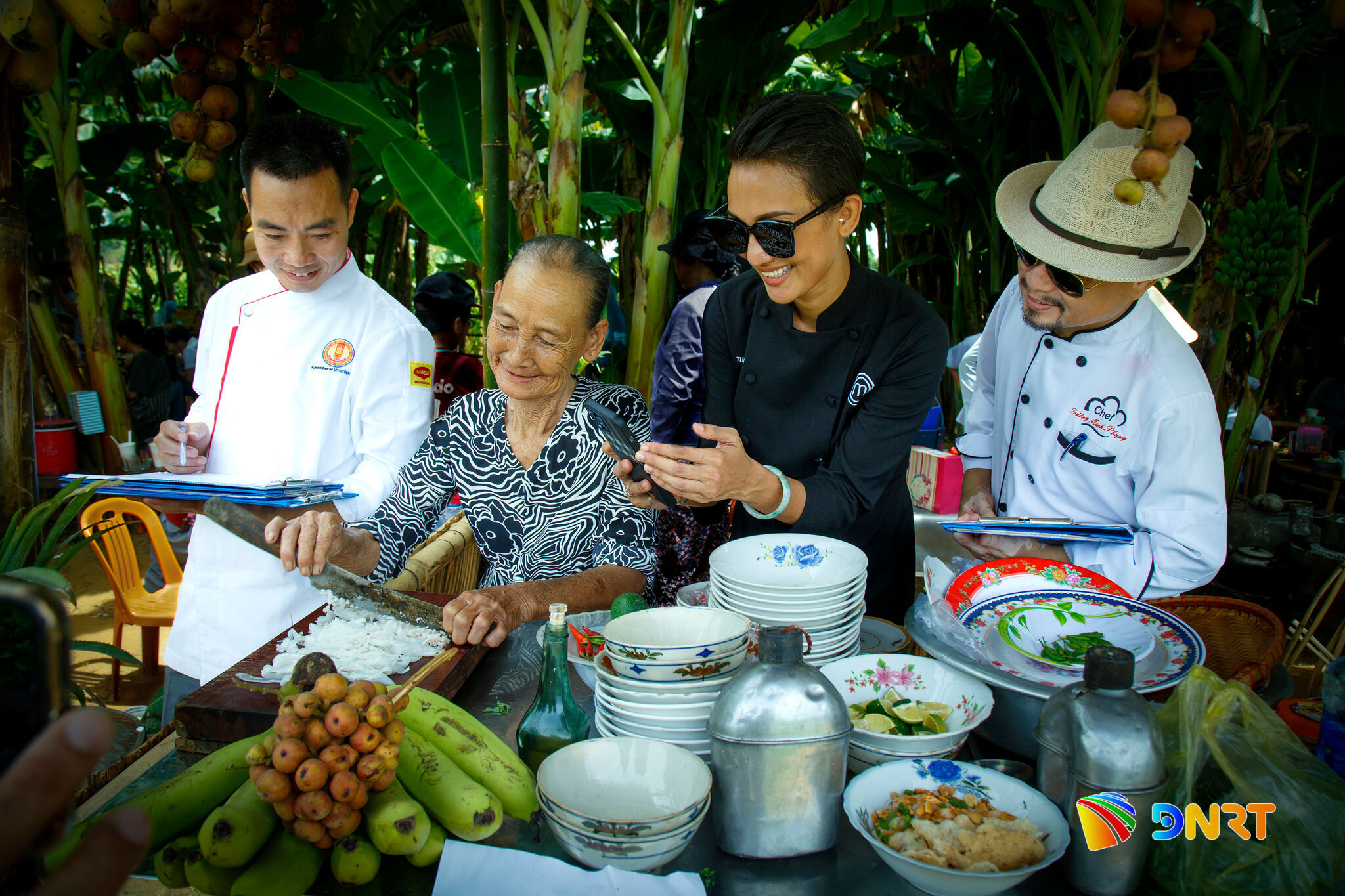
Cuisine has long been one of the key attractions of Da Nang’s tourism industry.
Dishes such as Quang noodles, Cao Lau, ‘Banh trang cuon thit heo’ (pork wrapped in soft rice paper), ‘bun mam’ (fermented fish noodle soup) and Vietnamese pancakes, along with a wide range of traditional local specialties, not only cater to visitors’ tastes but also tell stories about the culture, people and land.
As digital technology increasingly shapes consumer behavior, bringing local culinary offerings onto online platforms is opening up new opportunities for local tourism and economy.
In August, Da Nang and Grab Vietnam officially launched the “OCOP - Da Nang Specialties” marketplace on the Grab app.
The initiative is a concrete step toward implementing the digital economy development cooperation agreement signed by the two sides in September 2025. It aims to help OCOP producers, small traders and household businesses expand their consumer markets.
In a similar vein, at a recent meeting, Vice Chairwoman of the Da Nang People’s Committee Nguyen Thi Anh Thi agreed to explore cooperation with Foody Joint Stock Company (ShopeeFood) to develop a digital culinary ecosystem.
The company proposed nine areas of cooperation for the 2027 - 2030 period, focusing on the development of a digital culinary map of Da Nang.
The proposed map will feature local dishes, food establishments, traditional markets, culinary streets and notable food experiences.
It is expected to integrate QR codes, destination information, suggested itineraries and promotional offers. This allows visitors to choose dishes, find suitable dining locations and combine culinary experiences with sightseeing and other recreational activities.
ShopeeFood also suggested helping food businesses digitize their images and menus, adopt sales management tools and cashless payment methods, and participate in digital skills training to improve service quality.
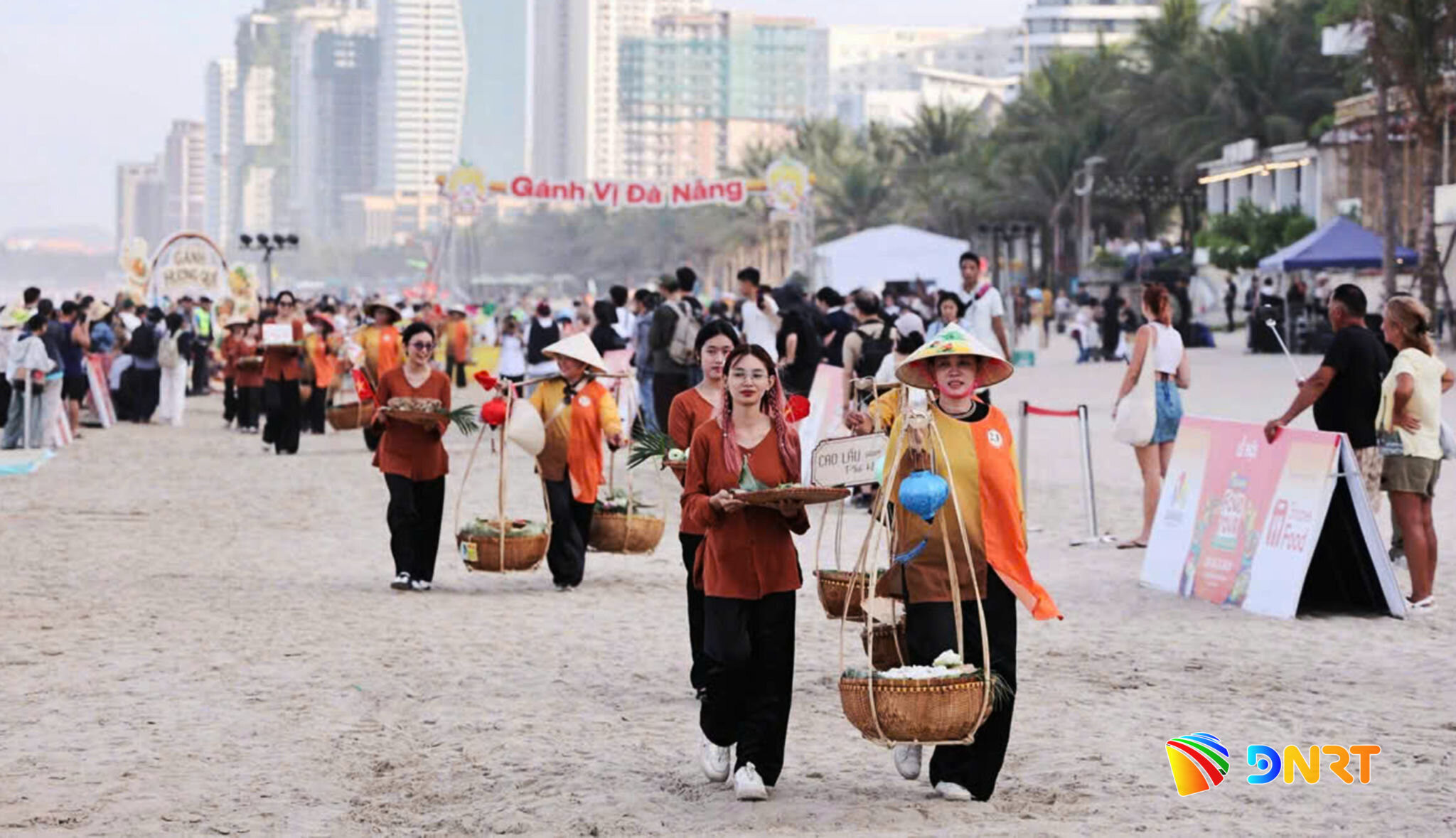
Building on cooperation with Grab and ShopeeFood, Da Nang is studying a “Da Nang Food Market” program at 10 traditional markets.
The initiative will combine the digitization of market stalls with food safety monitoring and the integration of OCOP products and local specialties into the culinary supply chain.
Another proposal is to introduce a “Da Nang Culinary Pass” which links food experiences with tourism promotion campaigns and events.
Under the proposed roadmap, products and pilot areas will be selected in 2027. During the 2028 - 2029 period, the models will be evaluated and adjusted, with effective initiatives expanded.
A review will be conducted in 2030 to determine directions for further cooperation.
Tourism experts note that Da Nang’s advantage lies in its diverse culinary settings, ranging from a coastal city and the ancient town of Hoi An to rural communities and mountainous areas. This creates favorable conditions for developing a variety of culinary experience routes.
When effectively connected through digital platforms, these offerings can help increase tourism revenue by encouraging longer stays, boosting visitor spending and raising the destination’s profile.