

Gửi bình luận
DNO - Da Nang is intensifying the application of technology in preserving and promoting its cultural heritage, with a focus on building a unified digital data system capable of national-scale connectivity and sharing.
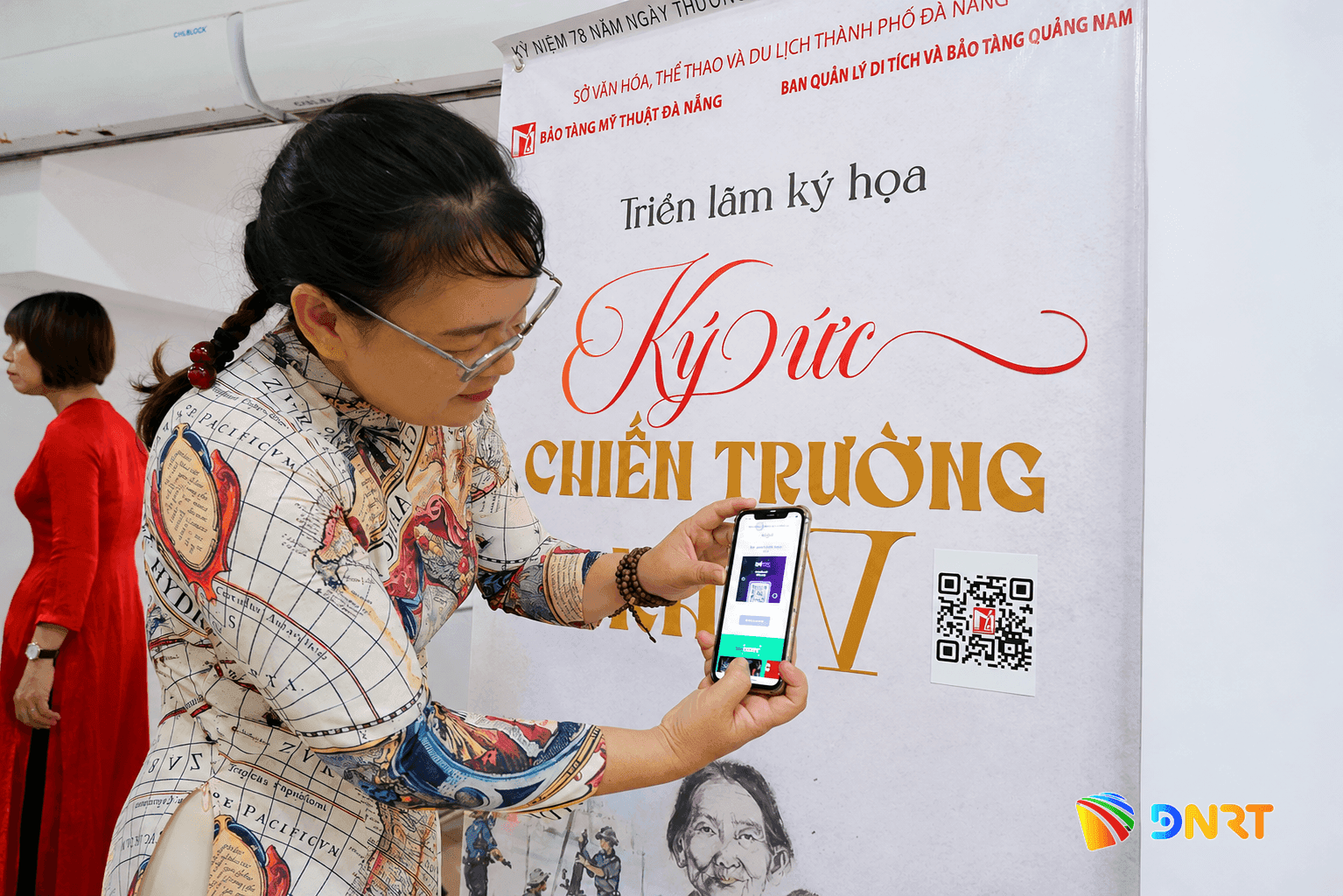
Establishing a digital data platform for heritage
Three-dimensional (3D) scanning, virtual reality (VR), 360-degree panoramic photo, and digital data platforms make it possible to recreate the heritage site’s gesture, structure, and space while preserving its information for research, restoration, and management.
Especially, for monuments affected by time, natural disasters, and urbanization, generating digital data serves as an additional layer of long-term conservation records.
At the national level, according to a 2026 report by the Da Nang Department of Cultural Heritage, under the Vietnamese Ministry of Culture, Sports, and Tourism, the department has completed scanning 4.3 million pages of scientific dossiers for heritage ranking, inscription, and recognition dating since 1962.
Alongside 3D digitization and 360-degree panoramas for three special national monuments, 3D digitization for 100 national treasures has also been finished. However, efforts to clean duplicate records, assign identifiers, and standardize data remain ongoing.
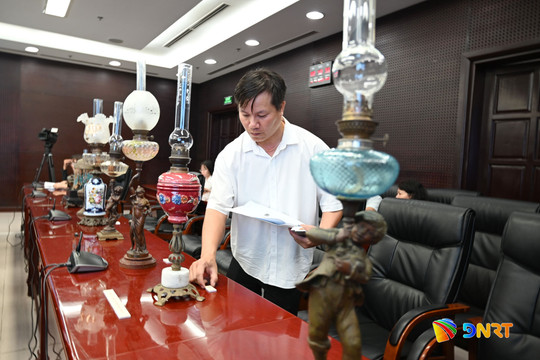
In Da Nang, heritage digitization initiatives have achieved encouraging initial results. In particular, the Da Nang Museum has digitized more than 2,500 artifacts, while the Da Nang Museum of Cham Sculpture has uploaded data on 2,569 artifacts to the cultural sector's digital resource platform.
Besides, the Da Nang Museum of Cham Sculpture has collaborated with the My Son World Cultural Heritage Management Board to 3D-digitize 32 artifacts, including four Vietnam national treasures: the My Son E1 Pedestal, the Statue of Ganesha, the Statue of Shiva My Son C1, and the Birth of Brahma Relief.
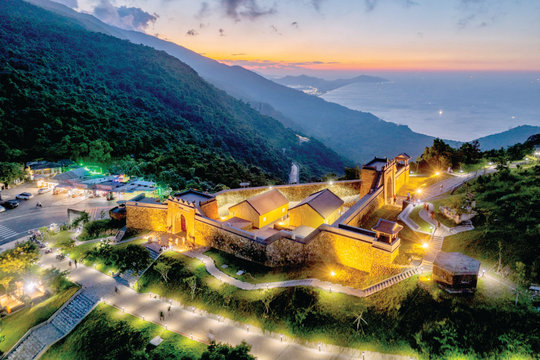
At the My Son Sanctuary, more than 60 monuments and around 200 key artifacts have been digitized using 3D technologies. Meanwhile, Hai Van Ward has integrated 12 out of 15 municipal-level historical and cultural sites into a VR360 experiential space.
Connecting data
Da Nang possesses a wide range of heritage systems spanning several wards and communes in the locality. Therefore, the city is accelerating the development of a unified digital monument and heritage system.
This aims to conduct 2D image digitization for 415 monuments, develop 37 VR360 virtual tours, and carry out 3D digitization for six selected national-level monuments.
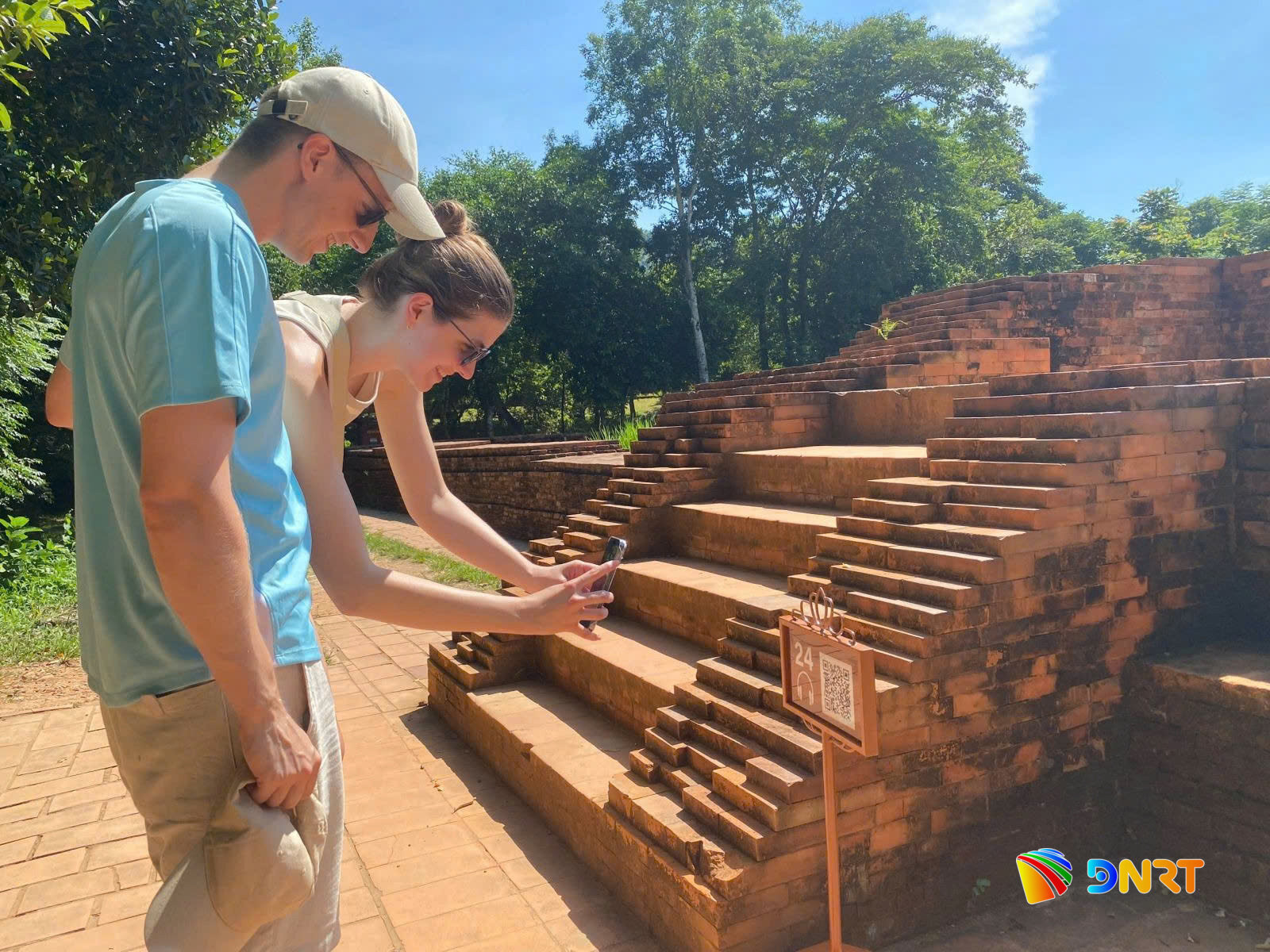
Da Nang authorities have asked completion of the city's heritage digitization and data standardization program before December 31, 2027.
Accordingly, cultural values must be preserved through technology while these resources are effectively leveraged to serve in fields of research, education, tourism, and the development of cultural industries.
As planned, the Da Nang Department of Culture, Sports and Tourism will host the cultural heritage digitization program. The department will review and standardize data synchronically for sharing with the National Digital Cultural Data Repository prior to December 31, 2027.
Alongside, this department will coordinate to provide technological solutions, applying artificial intelligence (AI) and virtual reality to heritage digitization, restoration, and the management of relics, antiques, and national treasures.
Alongside conservation requirements, digitization also opens up opportunities to innovate how heritage is experienced, particularly among younger generations. A digitized artifact not only preserves its physical form and dimensions but can also be linked to historical narratives, cultural spaces, and community life.
For Da Nang, establishing a unified digital data system can facilitate the connection of heritage sites such as Hoi An, My Son, and the Marble Mountains (Ngu Hanh Son) with museums and cultural institutions.
This will pave the way for developing in-depth educational, experiential, and cultural tourism products while broadening access to heritage for both domestic and international audiences.
Vietnam is standardizing cultural heritage data under a national digital framework to connect fragment records across museums, relics and cultural sectors.