Gửi bình luận
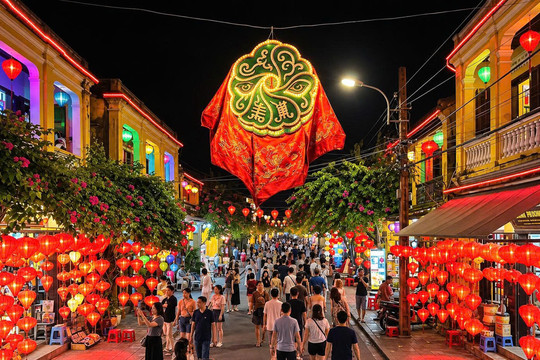
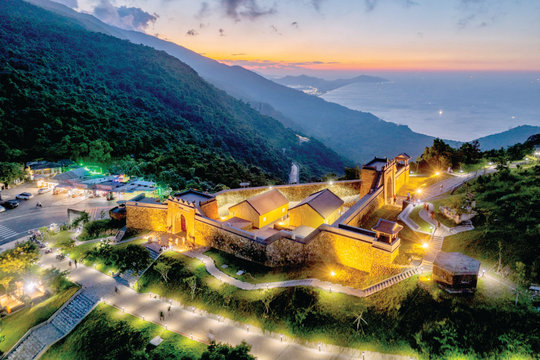
DNO - From the imperial legacy of Hue to the ancient charm of Hoi An and the coastal beauty of Da Nang, Central Vietnam offers a remarkable tapestry of cultural heritage, natural landscapes, and local experiences.
Bringing these destinations together in a unified tourism space could unlock new growth opportunities, encourage longer stays and create a more compelling journey for international visitors.
Hue and Da Nang have all the ingredients to form one of Central Vietnam’s most distinctive tourism destinations. Hue captivates visitors with its imperial history, ancient architecture, and tranquil lifestyle.
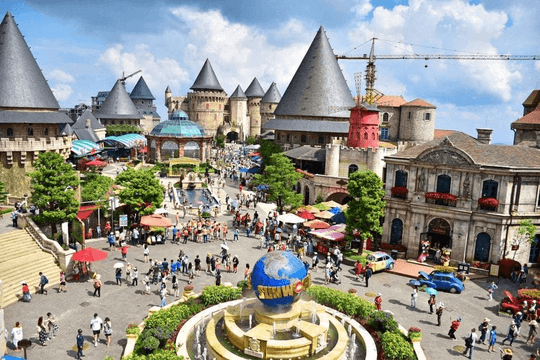
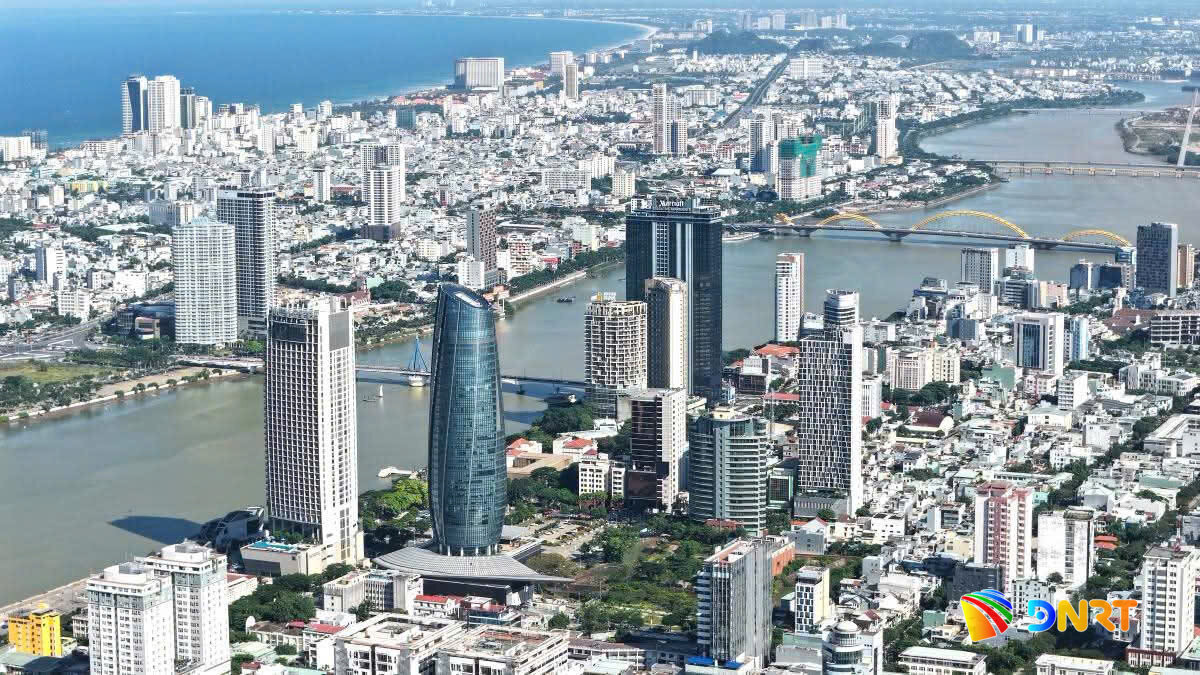
Meanwhile, Da Nang offers the vibrancy of a modern coastal city, supported by diverse accommodation, developed tourism infrastructure and convenient access to cultural and nature-based attractions.
Rather than competing with each other, the two destinations can complement their strengths, broadening their appeal and creating richer experiences for travelers.
At the heart of this connection lies a remarkable collection of UNESCO-recognized heritage sites: the Complex of Hue Monuments, Hoi An Ancient Town and My Son Sanctuary.
Together, they represent different chapters of Central Vietnam's history, from imperial grandeur and the prosperity of an ancient trading port to the architectural and spiritual legacy of the Champa civilization.
Each destination tells a distinctive story. Yet, when brought together through thoughtfully designed itineraries, they offer visitors a deeper understanding of the region’s historical evolution, cultural exchanges, and enduring traditions.
Heritage should form the backbone of this regional tourism offering, complemented by coastal escapes, island adventures, traditional villages, gardens, and local gastronomy.
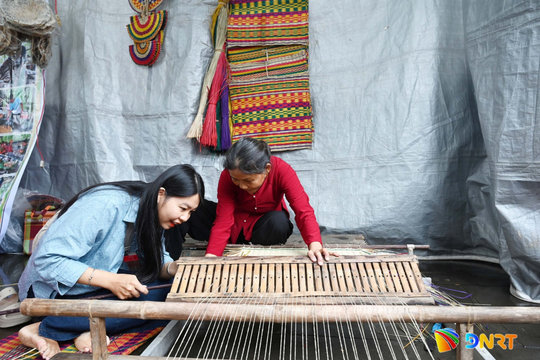
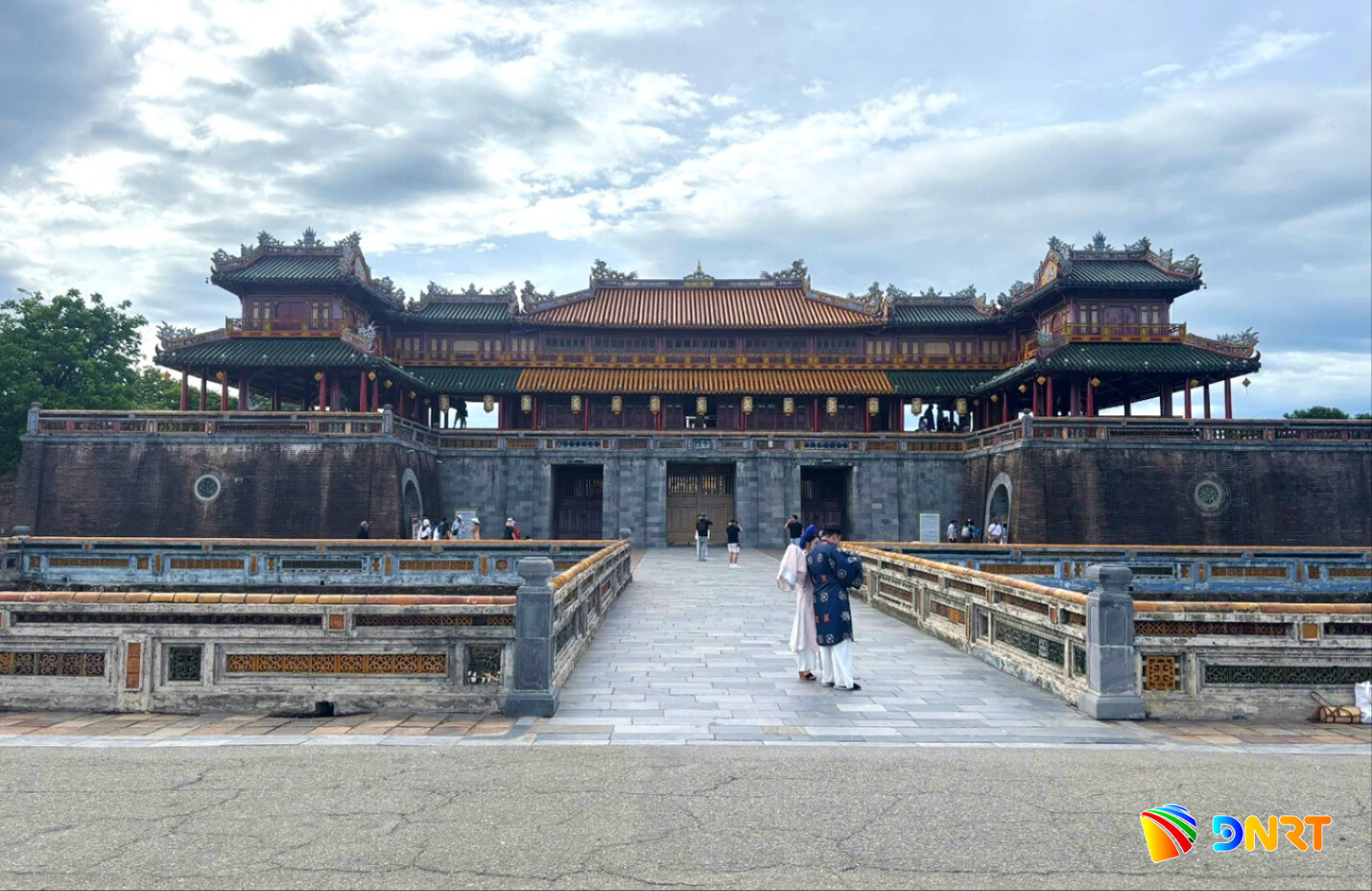
In Hue, visitors can explore the Imperial Citadel, royal tombs, Thien Mu Pagoda, and the poetic Perfume River. In Da Nang, the cultural journey continues through Hoi An’s historic streets, My Son’s ancient temples and the distinctive traditions of ethnic communities in the city's western mountainous areas.
By linking these places through themed tours, visitors can experience more than individual landmarks. They can discover royal rituals, traditional costumes, performing arts, architecture, spiritual practices, and everyday community life.
Tailored heritage programs for international tourists, families and students would further enrich this experience while ensuring respect for the authenticity and integrity of cultural assets.
While heritage provides the cultural backbone of the regional tourism network, Hai Van Pass offers an unforgettable scenic connection between Hue and Da Nang.
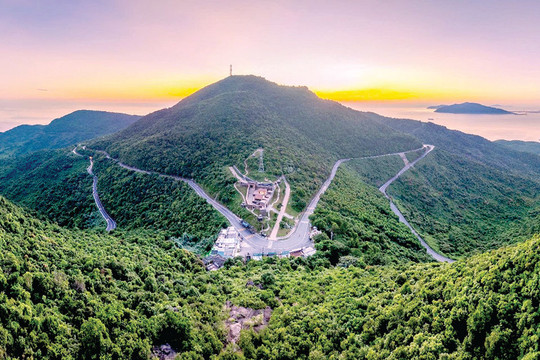
Renowned for its dramatic mountain landscapes and sweeping coastal views, the pass serves as a natural gateway between the picturesque Lang Co Bay and the dynamic coastal city of Da Nang.
With thoughtful tourism development, the journey across Hai Van can become a highlight in its own right rather than merely a transfer between destinations.
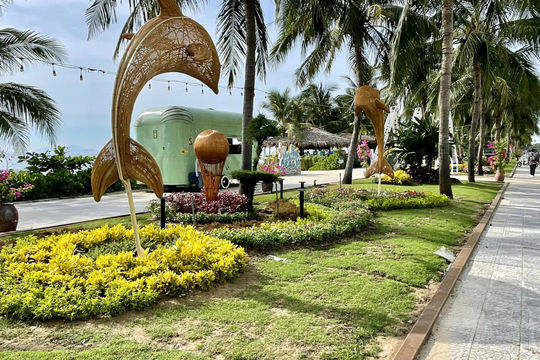
Along this coastal corridor, Lang Co offers tranquil bay-side retreats, fresh seafood, and authentic fishing village experiences. Tam Giang Lagoon enchants visitors with spectacular sunrises and sunsets, local cuisine, and traditional lagoon-based livelihoods.
Further south, Son Tra Peninsula combines lush forests and rich marine ecosystems, while Cham Islands invite travelers to discover island life, fishing village culture and marine conservation.
These destinations could be brought together through themed itineraries such as “Heritage and Blue Seas”, “From Heritage Landscapes to Fishing Villages” and “The Green Heritage Route”, connecting Hai Van, Lang Co and Son Tra.
Culinary journeys across Central Vietnam and longer stays featuring nature exploration, wellness and evening cultural experiences could further expand the region’s appeal.
Achieving this vision requires close cooperation among local authorities, travel operators, accommodation providers, transport companies and local communities to coordinate itineraries, maintain service standards and promote the region under a shared tourism identity.
Hue and Da Nang have an opportunity to create a journey that is greater than the sum of its destinations - one that invites travelers to slow down, explore deeper and discover the many stories of Central Vietnam.