Gửi bình luận
DNO - Da Nang has identified the digital economy as a key driver of its economic development. The city has set a target for the digital economy to account for 35 - 40 percent of its Gross Regional Domestic Product (GRDP) by 2030.
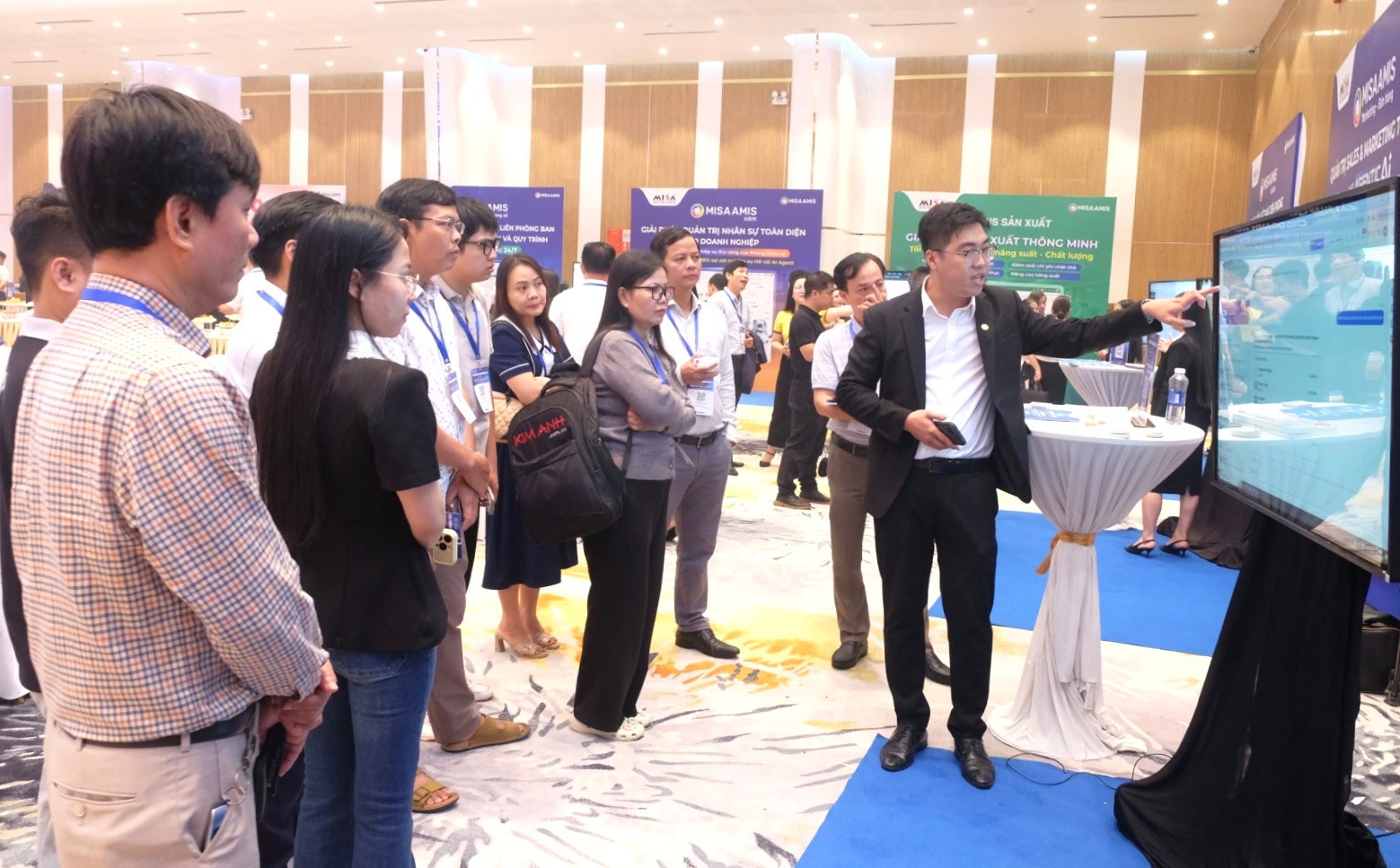
Da Nang has confirmed three pillars for the city’s digital economic growth, including data and artificial intelligence (AI) infrastructure, aimed at boosting economy-wide productivity; digital service platforms, designed to foster the establishment of new economic sectors and expand markets; and the export of digital technologies and services.
According to the Da Nang Statistics Office, total revenue for the information and communications sector in the first nine months of 2026 reached VND18.869 trillion, an increase of 8.1% compared to the same period in 2025.
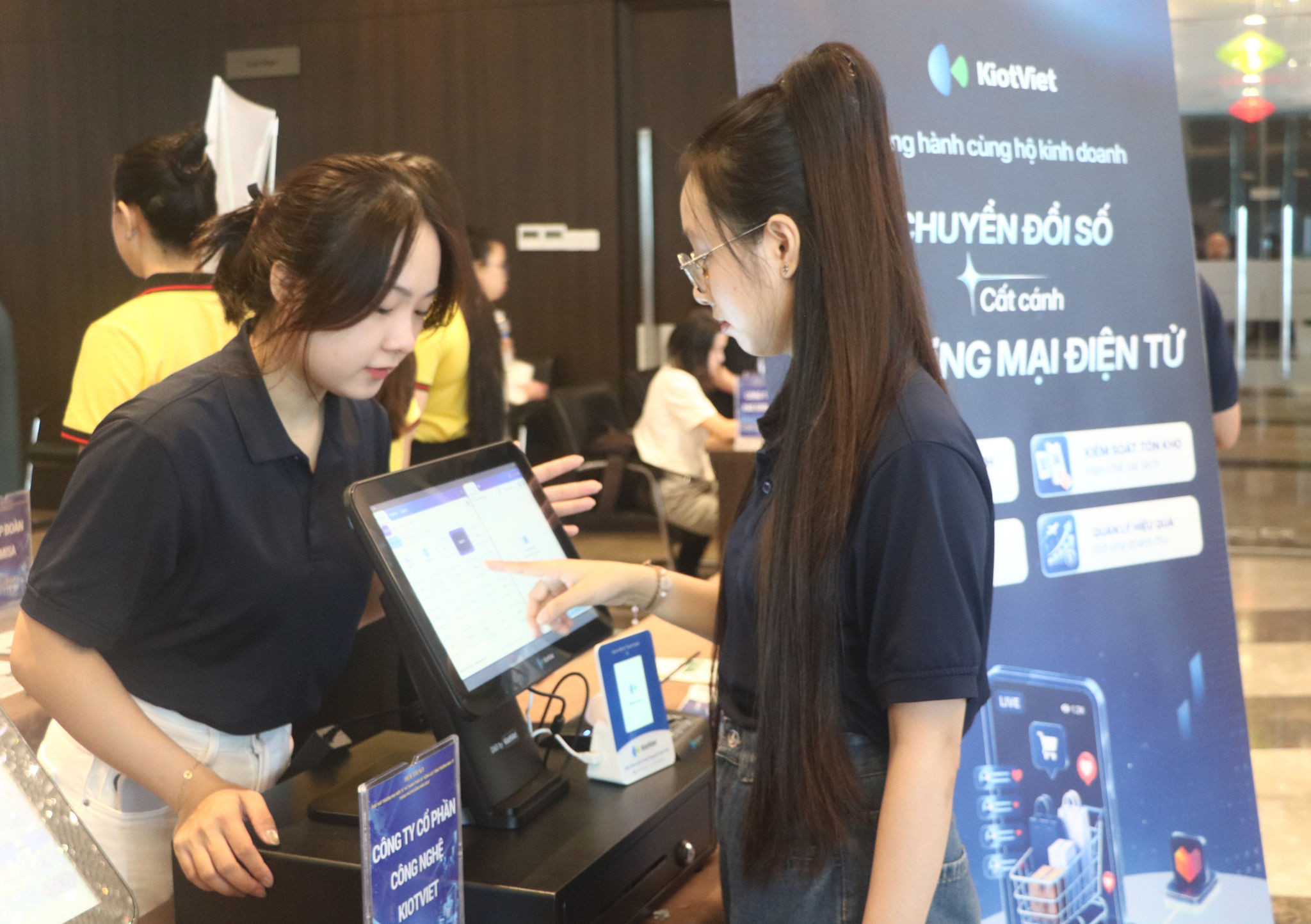
The city recently launched a pilot project for "Low-Altitude Spatial Economy Development through 2030" to provide support for retail shops and household businesses undergoing digital transformation.
Also, Da Nang authorities suggested a pilot for the "TDP Media" solution and facilitating the inclusion of OCOP (One Commune, One Product) items and Da Nang specialties on the Grab platform.
In particular, the Da Nang Innovation Center is scheduled to start its operations in early November 2026, following the merge of three existing centers, including the Da Nang Innovation Startup Support Center, the Da Nang Biotechnology Center, and the Da Nang Semiconductor and AI Center (DSAC).
This milestone will provide significant human and specialized infrastructural resources to advance three strategic technological pillars: biotechnology, AI, and semiconductor microchips.
In the years ahead, the center will focus on three key sets of solutions, including fostering ecosystem connectivity and facilitating the sharing of resources and information among its various components, leveraging sandbox mechanisms, and providing policy proposals to support local startups reaching the global market.
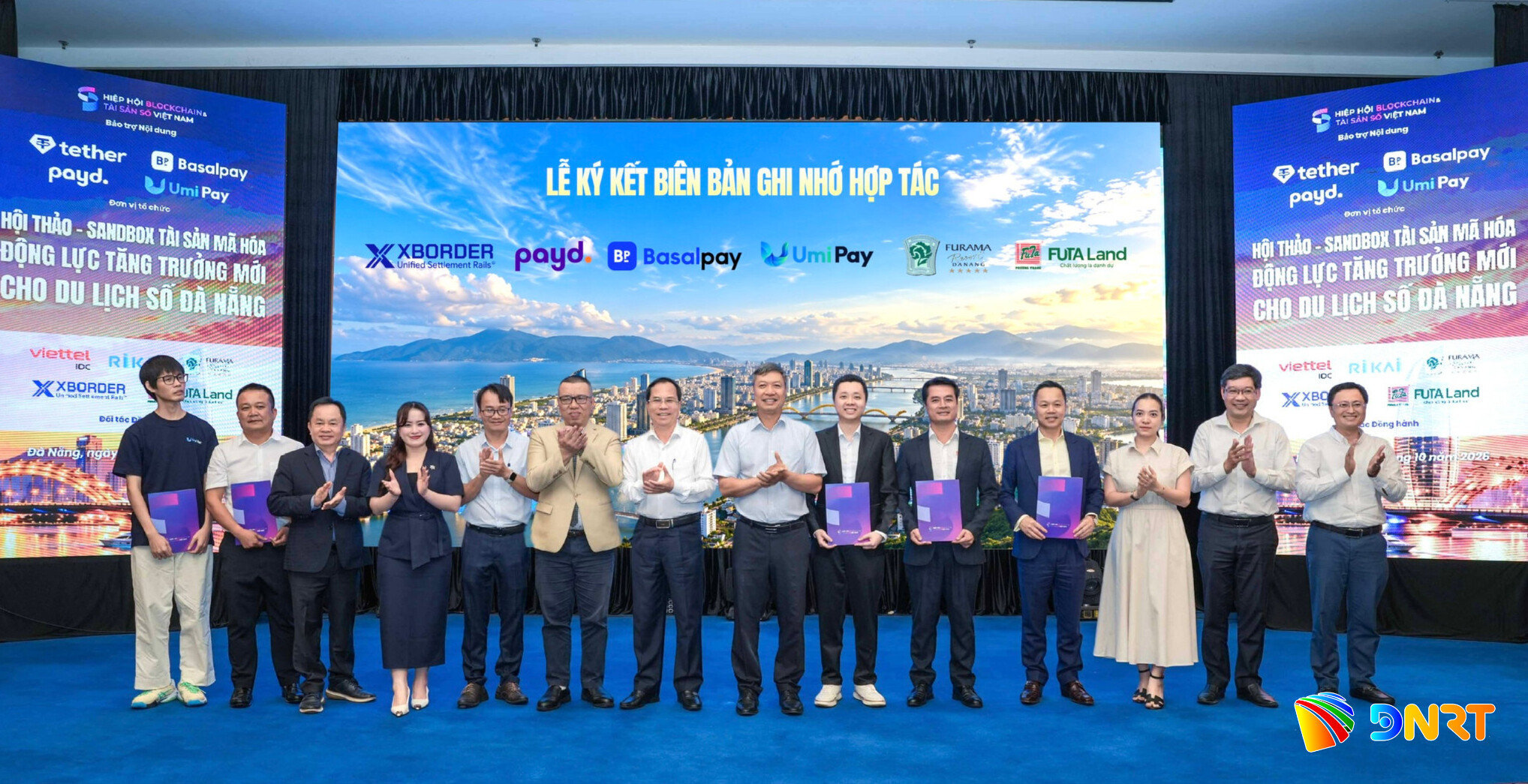
The crypto-asset sandbox is expected to create growth potential for digital finance, enhance competitiveness, and serve as a drive for Da Nang’s digital economy.
To date, Da Nang has granted licenses for six such technological solutions, enabling businesses to test their operational capabilities and service connectivity while meeting real-world demands.
Ms. Le Vu Huong Quynh, Asia-Pacific (APAC) regional director at Tether, suggested that Da Nang should pilot a "Da Nang Tourist Pass", integrating various incentives, and organize events focused on tourism, crypto-assets, and the digital economy to attract tourists, a community of digital-savvy residents, and technology firms.
Alongside, Da Nang should research and move toward cross-border payment, aimed at improving operational efficiency and further driving the city’s digital economy, she added.
Mr. Valere Zimar, co-founder of GYGlobal Holding, a UK-based strategic ecosystem holding connecting platforms, partnerships, and AI visibility systems across global markets, highlighted Da Nang's great potential to become a hub for innovation in Asia.

In fact, cross-border e-commerce presents a significant opportunity for businesses in Vietnam, specifically in Da Nang, to expand their markets and increase their export value.
Da Nang is well-positioned to reach global customers directly, thanks to its well-integrated logistics infrastructure, including a seaport and an international airport, as well as signature local products, such as processed seafood, agricultural goods, and handicrafts.
Recently, Vice Chairman of the Da Nang People's Committee Ho Quang Buu said the city will strengthen collaboration among banks, technology firms, and tourism entities to transform the sandbox into a substantive growth driver, making a clear and measurable contribution to the city’s GRDP.