
Gửi bình luận
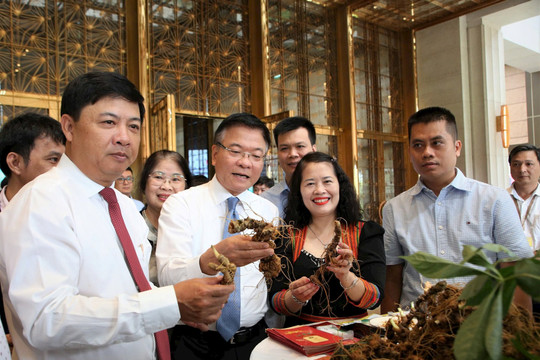
DNO - Thanks to its abundant medicinal plant resources of high pharmacological and economic value, along with the development orientations from the central and municipal governments, Da Nang boasts many opportunities to become a herbal medicine hub for Vietnam and the wider region.
Lots of room for development
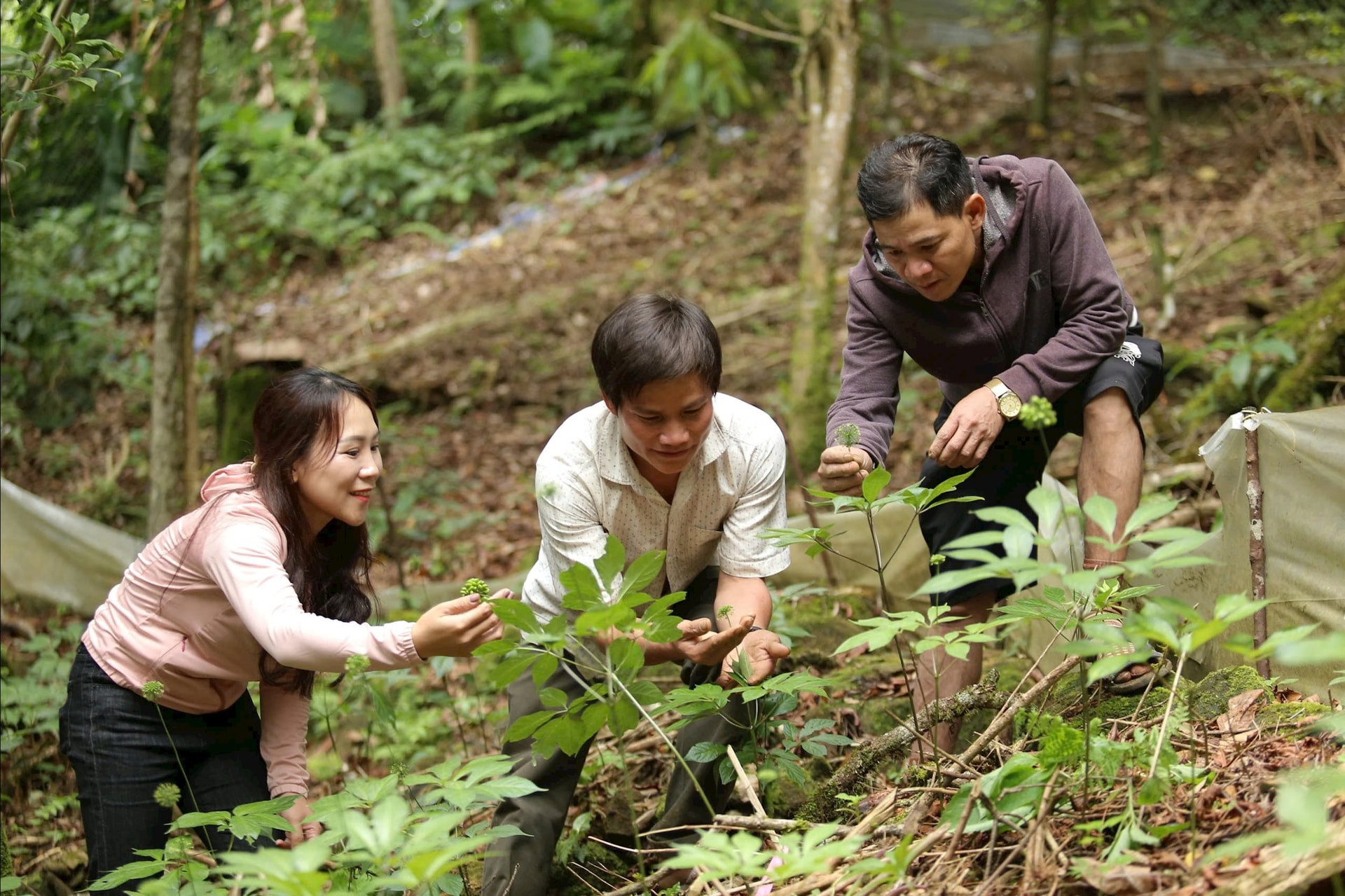
According to statistics from the Da Nang Department of Agriculture and Environment, the total area for ginseng development and conservation in the city reaches 15,568 hectares, concentrated in the communes of Tra Linh, Tra Leng, Tra Tap and Nam Tra My.
The city is now home to over 1,000 medicinal plant species, many of which are listed in Vietnam’s Red Data Book.
In addition to Ngoc Linh ginseng, Da Nang has a rich source of indigenous medicinal herbs such as Codonopsis, Morinda officinalis, Gynostemma pentaphyllum, Amomum, Polyscias fruticosa, Solanum procumbens, and Ampelopsis cantoniensis, all of which possess high pharmacological and economic value and can serve as key raw materials for advanced processing industries.
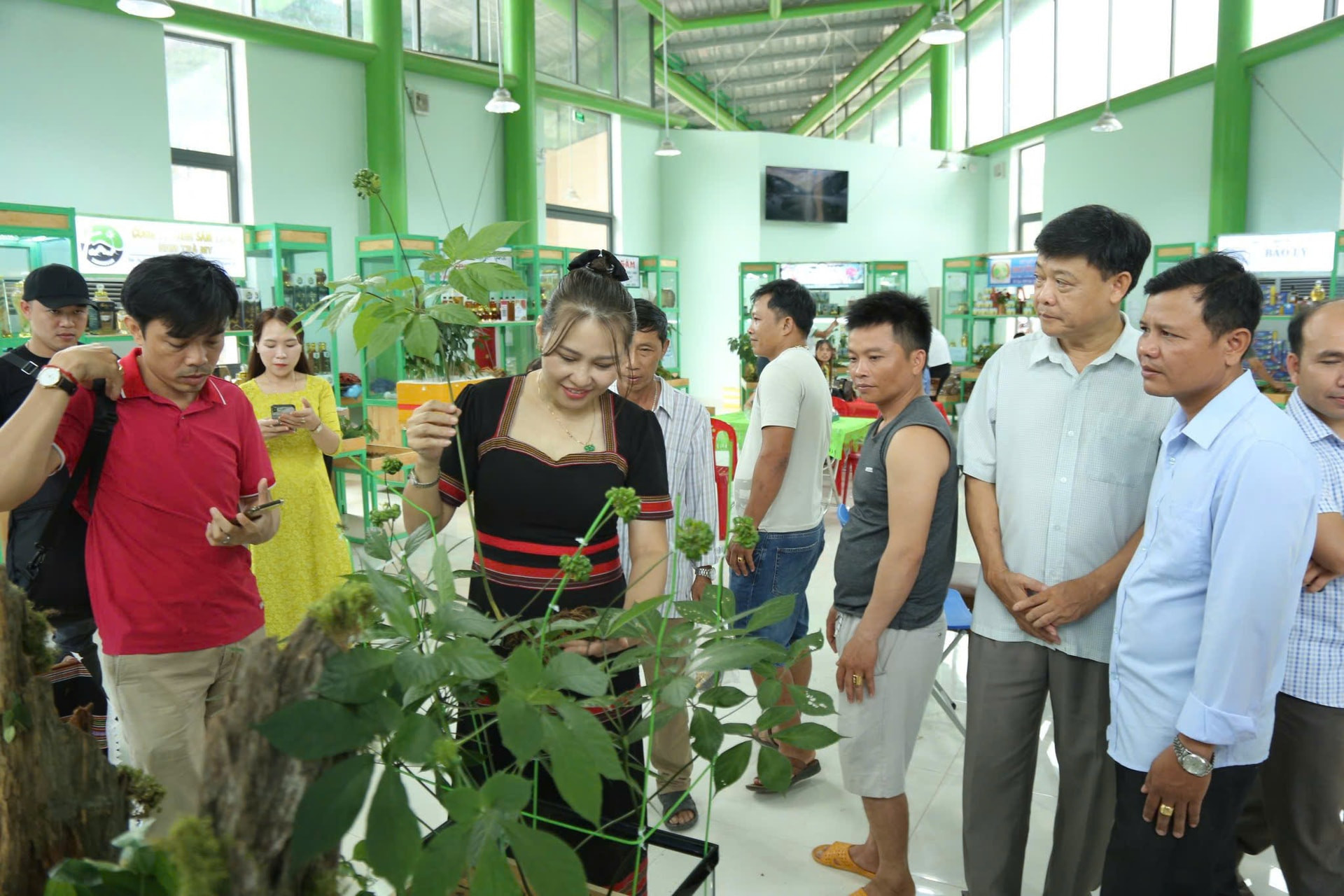
More than 10 city-based enterprises have got involved in processing and trading products derived from Ngoc Linh ginseng and local medicinal plants, offering a diverse range of goods.
Under the city’s OCOP program, there are 33 products in the herbal group and 270 agricultural products. The geographical indication "Ngoc Linh Ginseng" has also been granted protection by the Intellectual Property Office of Vietnam.
Notably, under the Central government’s Decision No. 463, Da Nang is designated as the country’s herbal medicine hub, with a vision to expand into Southeast Asia and the global market. Da Nang is planning to concretize the abovementioned policy effectively and substantially.
New directions for herbal medicine development
To accelerate the development and commercialization of medicinal agriculture, Deputy Director of the municipal Department of Agriculture and Environment Vu Thi Bich Hau stressed the need for the city to perfect the forest environment rental mechanism, provide specific instructions on the process and criteria for evaluating ecological - economic - social efficiency, and strengthen preferential policies to attract business investment in medicinal processing and technology.
She also suggested the city roll out the national medicinal herb trade promotion program, connect local businesses with domestic and international distribution chains, and develop a digital trading platform for OCOP and herbal products.
Additionally, it is necessary for the city to call on strategic partners to invest in raw material areas, extraction factories and high-value products, aiming to export Vietnamese medicinal herbs under the brand name Ngoc Linh Ginseng, Vietnam's national treasure.
From the perspective of a business, Ms. Ho Thi Thuy Ngan, Director of the Tra Tap Agricultural and Medicinal Tourism Cooperative, proposed that authorities and enterprises promptly invest in infrastructure and establish the most convenient and efficient route connecting visitors to ginseng-growing areas.