
Gửi bình luận
DNO - The Vietnam logistics services development strategy for the period 2025-2035, with a vision to 2050, has been approved, opening up major opportunities for Da Nang to become a logistics hub connected to key economic corridors.
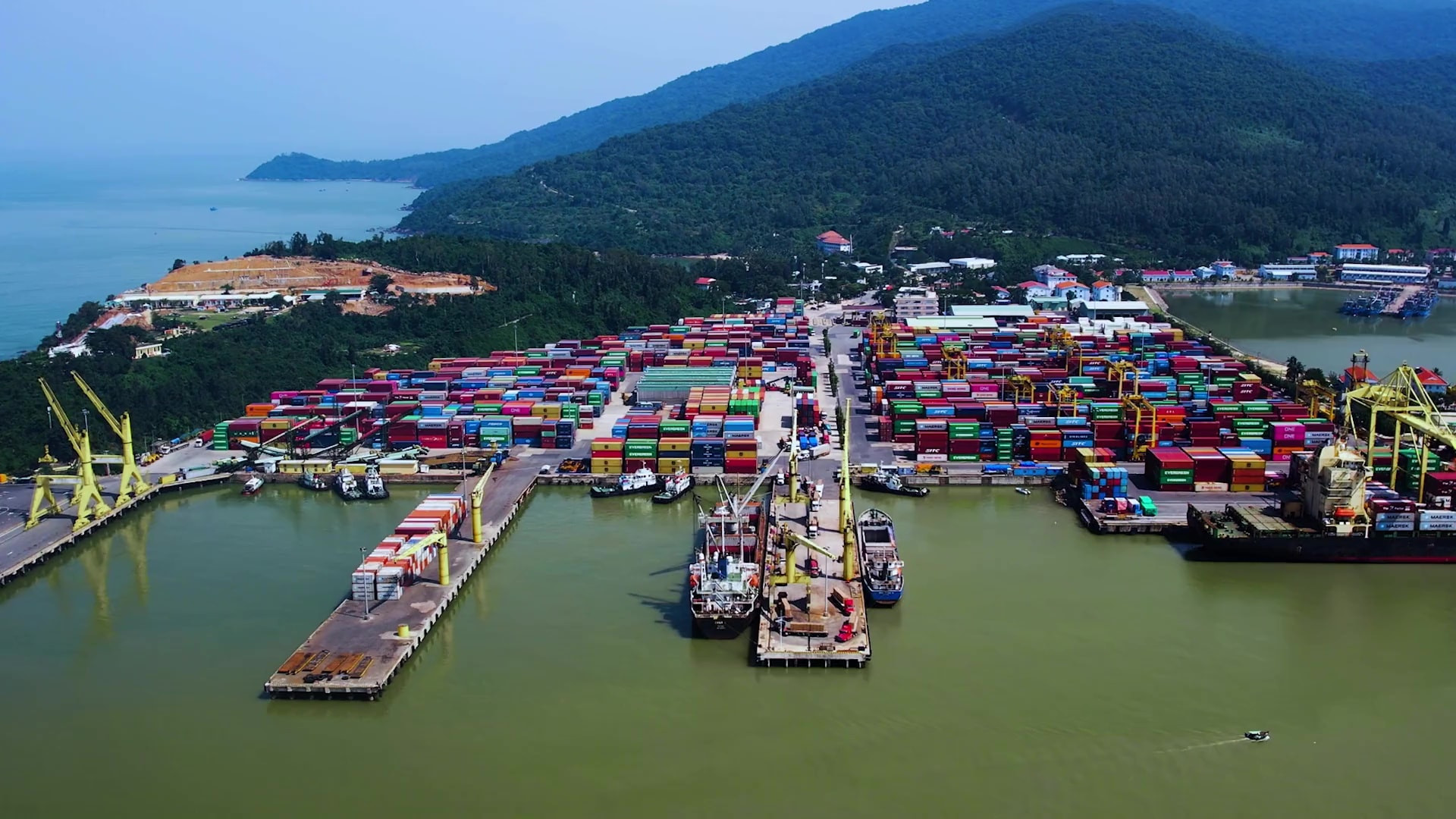
Key advantages in building an “economic lifeline”
The Government of Vietnam identifies three strategic logistics growth regions, the Red River Delta, the Southeast, and Central Vietnam, to evolve into internationally competitive hubs.
Da Nang is designated as the growth pole of Central Vietnam, with priority given to developing logistics services and centres tied to major economic corridors linking Quang Tri - Hue with Laos, Thailand, and Myanmar via the East-West Economic Corridor (EWEC).
According to experts, this is a strategic turning point for boosting logistics development in Da Nang and across Vietnam, laying the groundwork for green, smart, and sustainable logistics aligned with global trends.
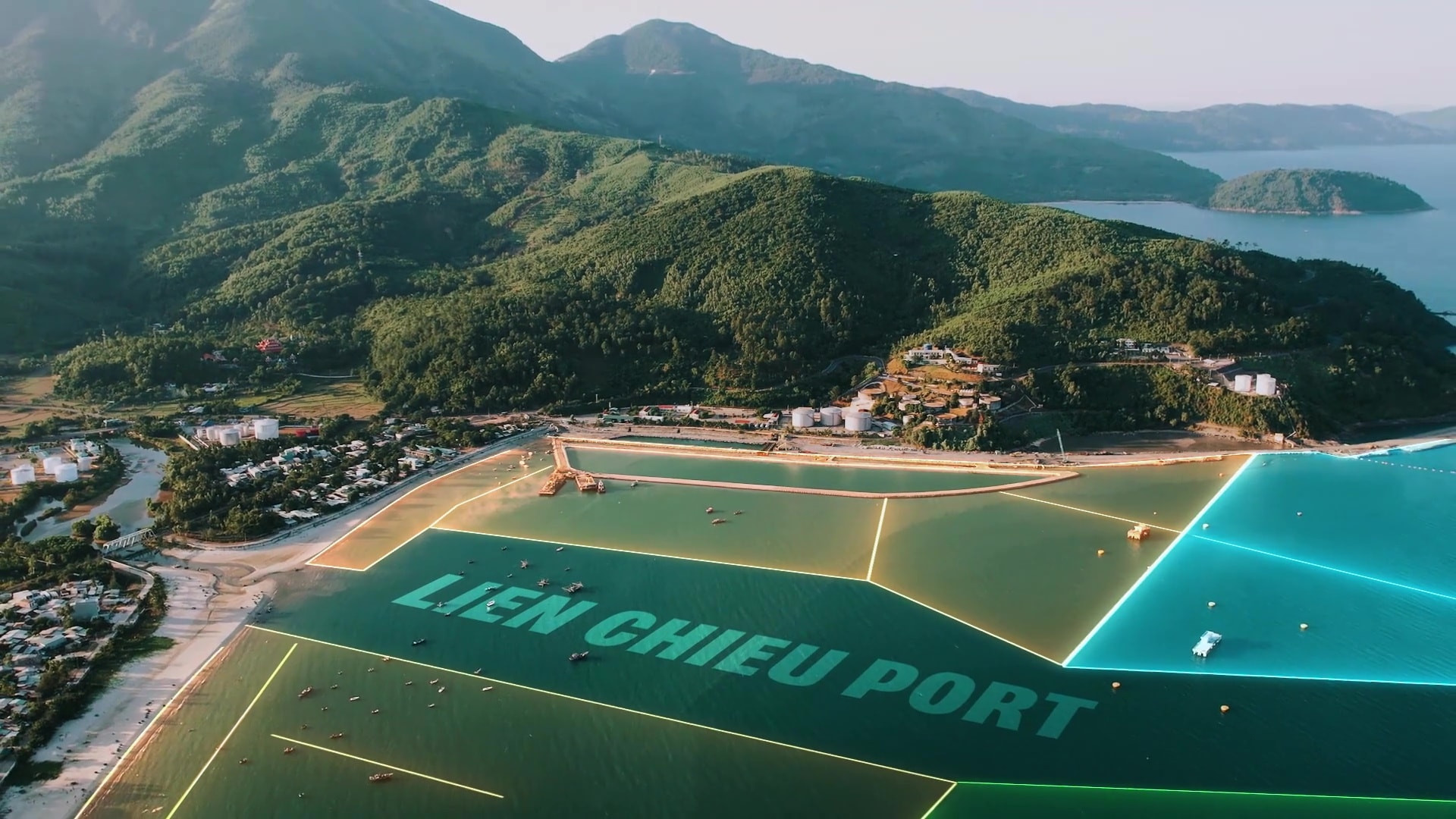
Da Nang has “golden opportunities” to strengthen its role as a regional logistics hub, given its gateway position on the EWEC major infrastructure investments, including Lien Chieu Port, the international airport, rail routes, and motorways.
Da Nang’s new two-level government model streamlines procedures and allows the city to reorganise its seaport, airport, transport, and warehousing systems on a larger, more coordinated scale.
In addition, Vietnam’s free trade agreements and the city’s approval to pilot a free trade zone create strong opportunities for expanding cargo flows- the key driver of logistics growth.
Leveraging opportunities and investing in depth
According to Nguyen Tan Man, Director of Bee Distribution Centre, the strategy needs rapid implementation to help Da Nang become a key hub for international logistics and trade.
He urged faster progress on Lien Chieu port and regional transport links, noting that integrated seaport, airport, rail, and motorway networks would create a complete logistics ecosystem. Domestic logistics firms must upgrade warehouses, fleets, technology, and human resources to meet rising demands.
.jpg)
Dr. Nguyen Tien Da from Da Nang College of Commerce said Da Nang should expand cargo sources by developing regional strengths such as processed goods, seafood, and textiles, while moving deeper into global supply chains.
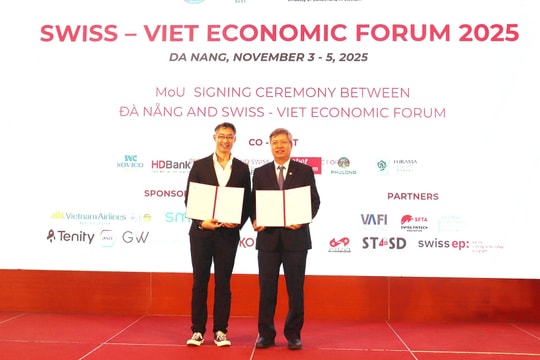
.jpg "Da Nang expands digital economic and blockchain cooperation with Switzerland’s Lugano")