




Gửi bình luận
DNO - Da Nang has gradually affirmed its image as a friendly and hospitable destination on the tourism map.
However, in the context of an increasingly diverse international tourist market and fierce competition among destinations, improving service quality is seen as a key factor in maintaining this brand.
Standardizing workforce
Currently, Da Nang has nearly 2,000 tourist accommodation establishments and thousands of businesses operating in the food and beverage service sector, meeting the diverse needs of both domestic and international markets.
Among them, many units have been making concerted efforts to enhance service quality, contributing to elevating the destination’s appeal.
At several businesses, standardizing the staff is a top priority. Employees are not only trained in foreign languages, particularly English, but are also equipped with communication skills tailored to each specific customer group.
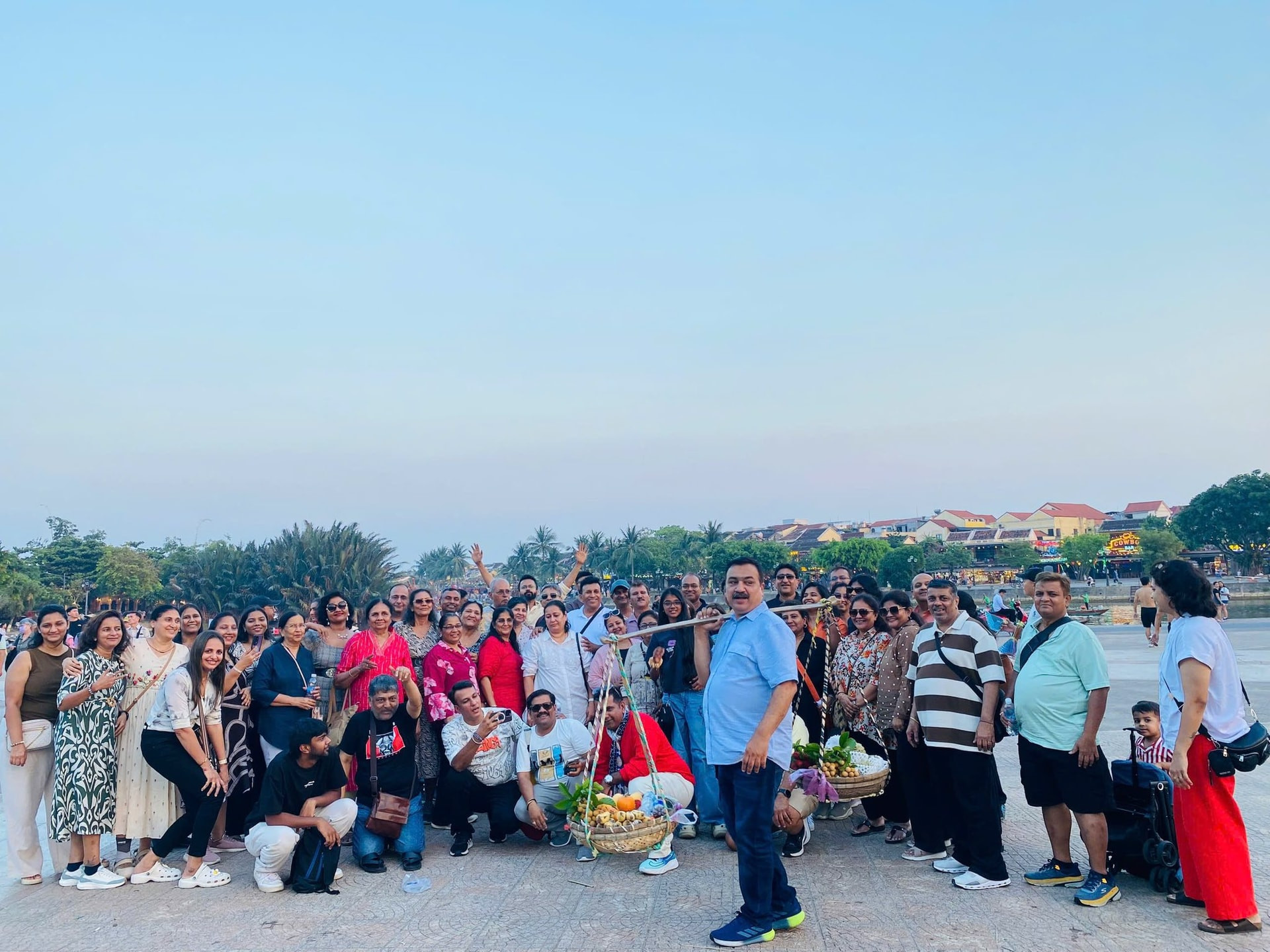
For Muslim or Indian tourists, staff receive guidance on their cultural practices, religious beliefs, and consumption habits, to ensure more refined and respectful service.
Simultaneously, high-end accommodation facilities have been focusing on upgrading infrastructure and diversifying services to cater to different customer segments such as families, couples, and long-stay guests.
Maintaining operations in line with international standards, combined with on-the-job-training, helps improve staff practical skills, thereby ensuring consistent and professional service quality.
Strategic approach for each market segment
According to tourism managers, Da Nang’s tourism sector has undergone a strong transformation and diversified its international tourist markets since the COVID-19 pandemic.
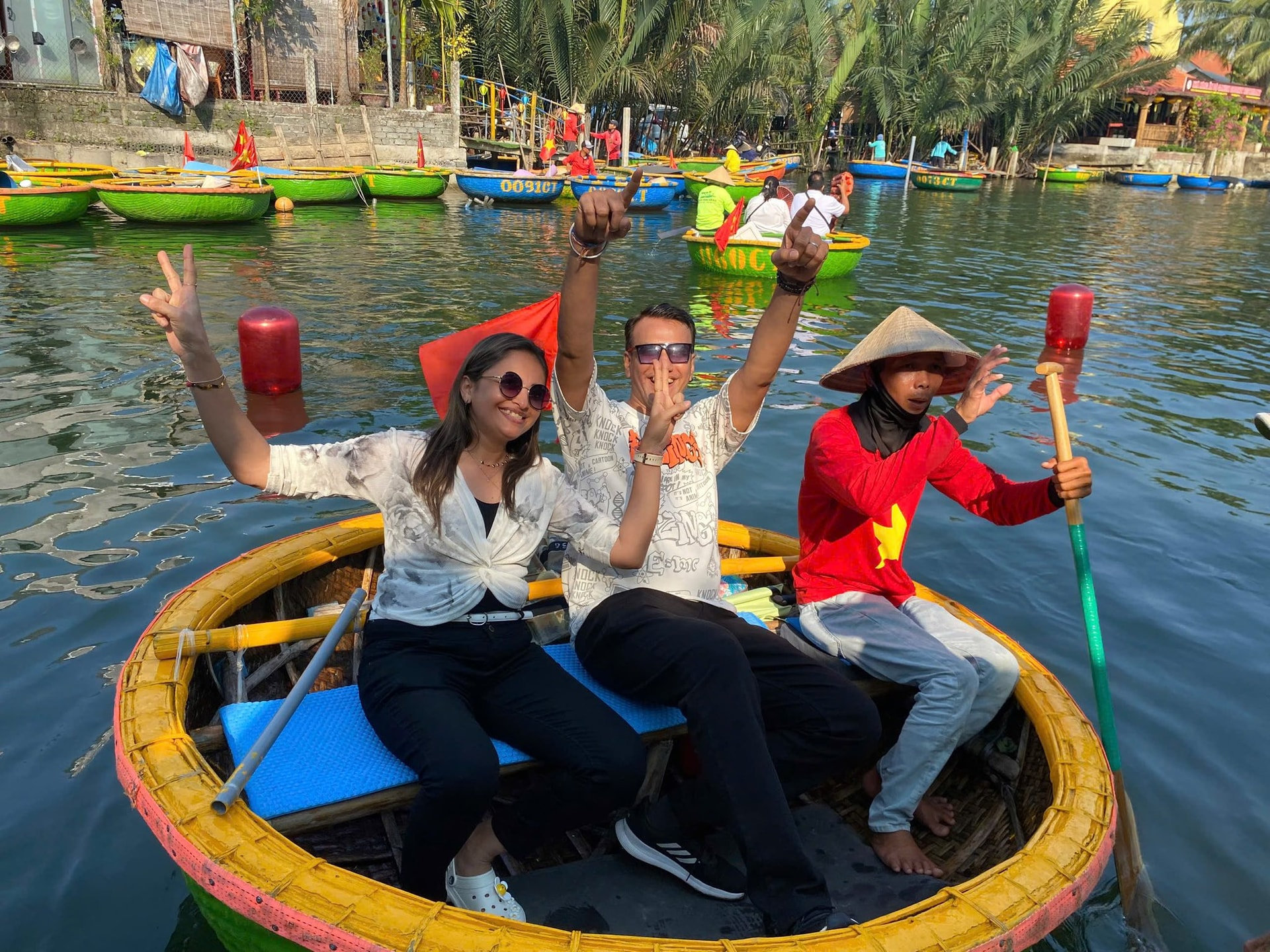
As a result, the city has attracted a growing number of visitors from Muslim countries such as Indonesia, Malaysia, the Middle East, India, and recently, CIS (Commonwealth of Independent States).
“To truly serve multicultural markets in a truly professional manner, it is necessary to shift from the mindset of ‘serviceable’ mindset to a ‘service that meets standards’” Mr. Nguyen Son Thuy, Director of Visit Indochina Company, said.
He explained that that beyond language proficiency and basic professional skills, tourism personnel must be further trained in culture, intercultural problem-solving skills, and a service attitude that respects diversity.
The city has issued a plan to improve the quality of tourism services in 2026, with a focus on strengthening state management, standardizing infrastructure, and improving the quality of human resources.
At the same time, the local tourism sector is coordinating with travel businesses to study the characteristics of each market, aiming to develop suitable products and services.
According to Ms. Nguyen Thi Hoai An, Deputy Director of the municipal Department of Culture, Sports and Tourism, the city's tourism industry is actively working with associations and travel companies to better understand the characteristics of each market.
Moreover, efforts are being made to develop solutions that create a balanced tourism landscape, minimizing potential conflicts between different visitor segments at the destination.
In the future, the city may consider planning separate areas for specific tourist groups to optimize experiences and reduce cultural friction arising from differences in customs and practices among diverse markets.