
.jpg "Da Nang breaks ground project worth over 1,568 billion VND in free trade zone")
Gửi bình luận
DNO - Beyond a tourism city, Da Nang is accelerating infrastructure development and pioneering pilot programs for the Free Frade Zone (FTZ - Da Nang), the Vietnam International Financial Center (VIFC - Da Nang), a semiconductor and AI (artificial intelligence) ecosystem, and multi-billion-dollar transportation mega-projects.
FTZ and VIFC: key drivers for economic development
A primary indicator of Da Nang’s trend-driven shift is its pioneering role in establishing a superior institutional framework and creating the "soft" infrastructure to attract a new generation of capital investment.
Previously, the National Assembly decided to pilot the establishment of the Da Nang FTZ, the first of its kind in Vietnam, to attract investment, finance, trade, and high-quality human resources in 2025.
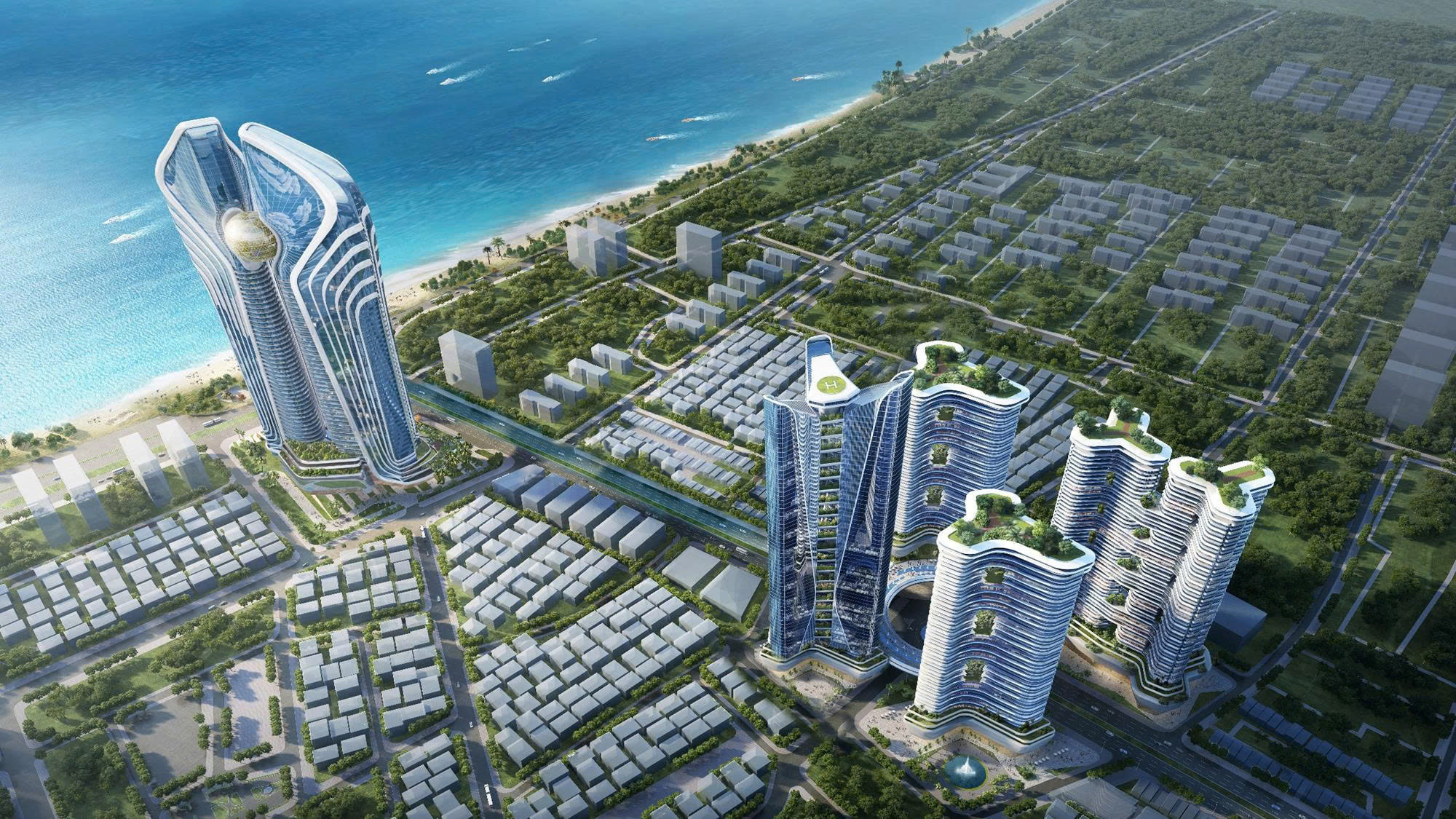
The Da Nang FTZ is planned in accordance with a distributed model, a groundwork for expansion across multiple areas of the city.
They include a logistics zone connected with the Lien Chieu deep-water port, a hi-tech manufacturing zone, and a commercial and service zone along the coastline, alongside a site at the foot of Ba Na Mountain dedicated to international duty-free retail and services.
Besides, the city is positioning itself as a high-tech hub and an international financial center. The high-value-added knowledge-based sectors, including semiconductor microchips, AI, and financial services, are being actively promoted.
Meanwhile, facilities such as Software Park No. 2, the AIDC DeCenter, and the DSAC benefit from exceptional financial and tax incentives.
Diplomatic infrastructure: gateways for maritime shipping
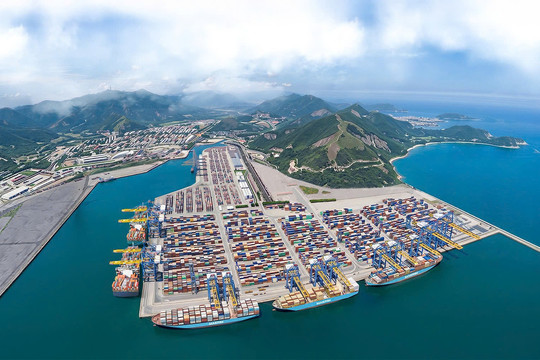
A highlight of Da Nang’s logistics infrastructure is the Lien Chieu deep-water port project, which opens up international maritime trade routes for the entire Key Economic Region in Central Vietnam.
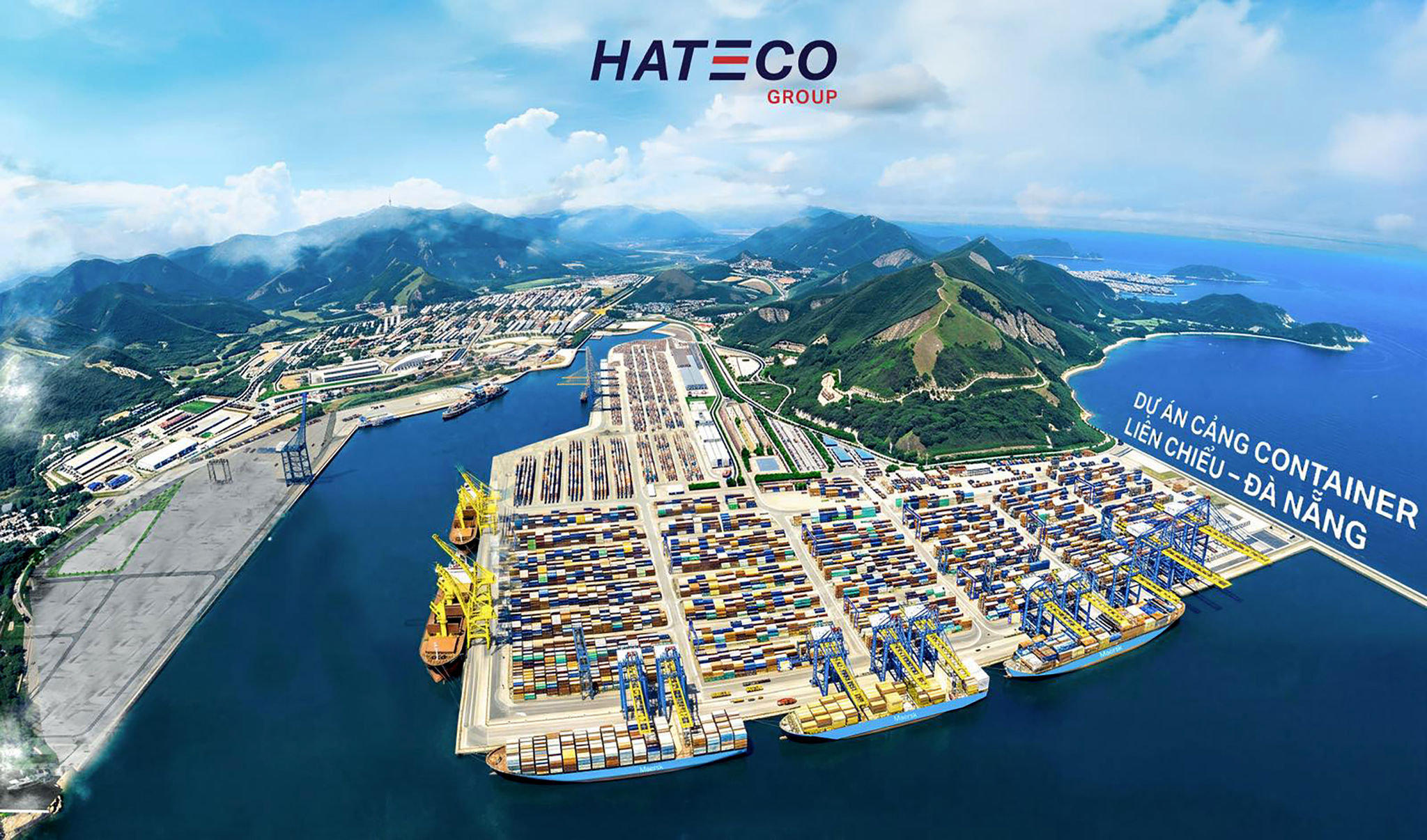
The project consists of two parts: Component A (valued at over VND 6,200 billion) for infrastructure development and Component B (with a total investment exceeding VND 45,268 billion) for the construction of eight specialized container terminals.
Targeting a capacity of 5.7 million TEUs per year, Lien Chieu Port is poised to become the largest "mega-port" in Central Vietnam, alongside Hai Phong and Ho Chi Minh City Ports in Vietnam.
This upgrade enables Tien Sa Port to transition toward serving high-end cruise tourism, thereby boosting local tourism while reducing the burden of heavy truck traffic passing through the city center.
In addition, Da Nang International Airport’s Terminal T2 (at a cost of nearly VND 1,500 billion) and Terminal T1 are being upgraded and expanded.
Meanwhile, the airport's domestic Terminal T3 is expected to be renewed with an investment of approximately VND 30,999 billion (designed for a capacity of 15 million passengers per year).
The airport aims to reach an annual capacity of 20 million passengers and 100,000 tons of cargo by 2030, with a long-term vision to increase cargo capacity to 330,000 tons per year by 2050.
Railway Infrastructure and the TOD urban development strategy
Specifically, the city has taken the initiative to relocate the railway station from the Hoa Khanh urban area (Km701) to approximately Km706+300, at the intersection of National Highway 14B and the Da Nang-Quang Ngai Expressway.
This balances the length of the train run and relieves the pressure of site clearance while forming a seamless connectivity linking the high-speed railway, the North-South expressway network, National Highway 14B (connecting to the Central Highlands), and the railway route to Lien Chieu Port.
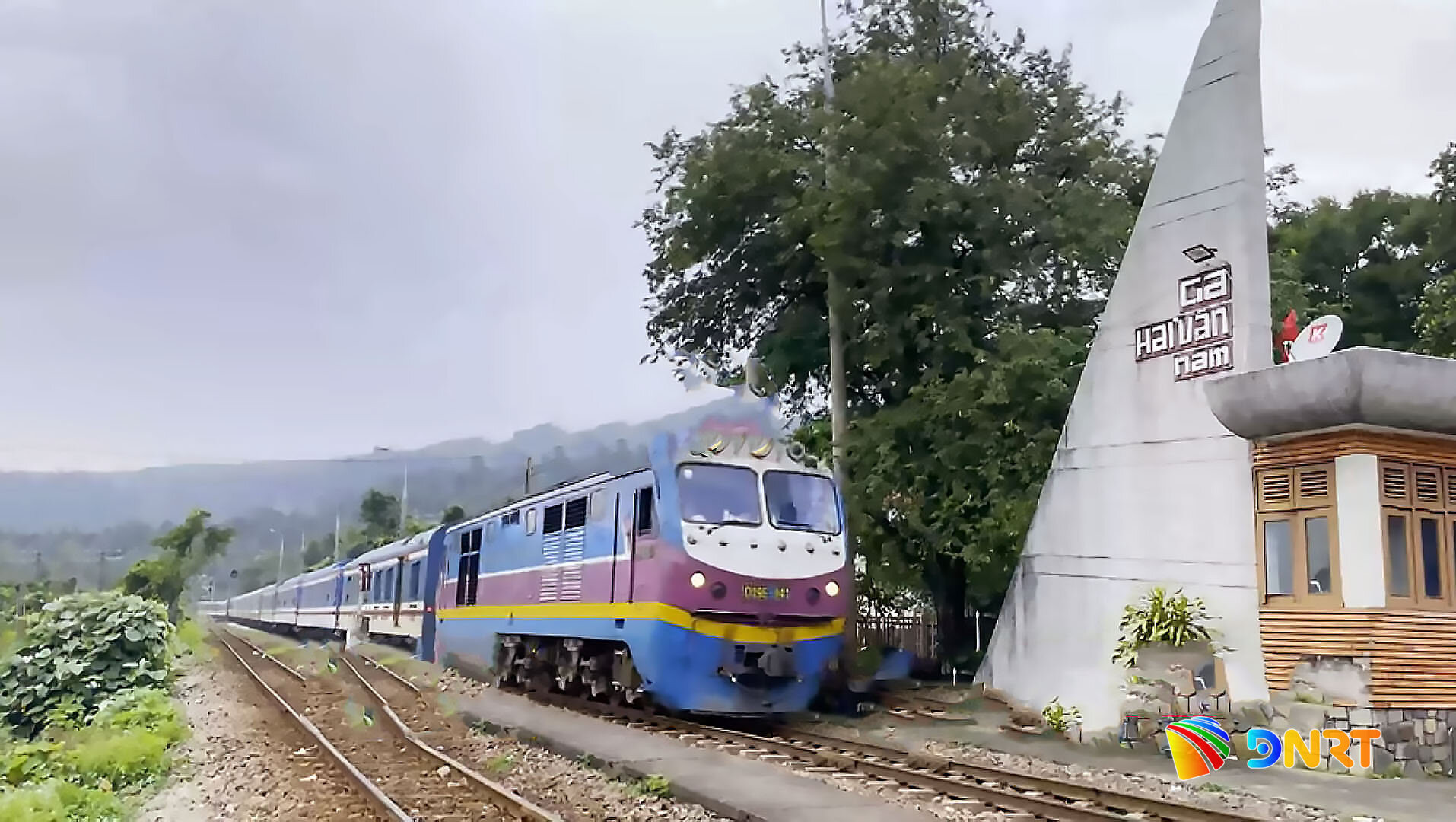
Supporting this train hub is a planned network of 16 urban railway lines (LRT/MRT) spanning over 204 km, with a total investment of approximately VND 126.7 trillion. Priority is being given to the LRT line connecting the Da Nang International Airport to Hoi An, which is scheduled to start in 2027 with operations commencing in 2031, reducing travel time to just 20 minutes.
Additionally, supporting projects, such as upgrading National Highway 14B and its expressway interchange, upgrading National Highway 14D, developing the Le Thanh Nghi-Cach Mang Thang Tam-Thang Long traffic junction cluster, and studying the construction of new bridges or tunnels across the Han River, helps complete the city's traffic infrastructure.
.jpg "Da Nang seeks partnership with ACCA on legal framework for international financial center")