
Gửi bình luận
DNO - Da Nang has approved a master plan to develop ecotourism at Cham Islands (better known as Cu Lao Cham) by 2030 with priority placed on nature conservation, community livelihoods and low-impact tourism.
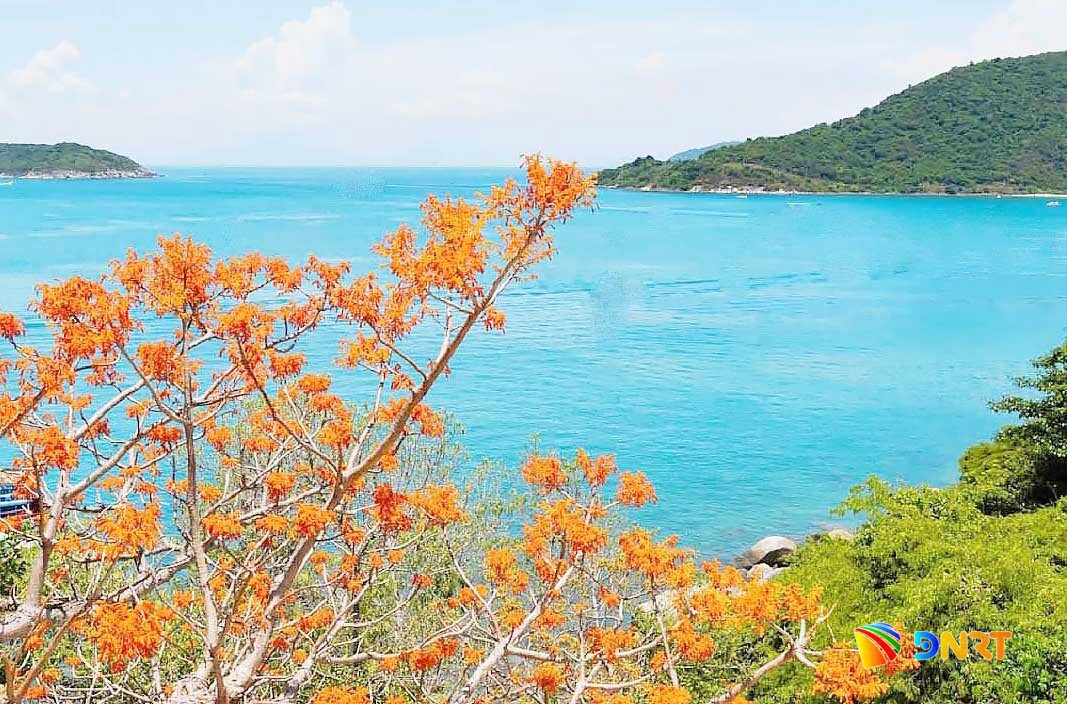
The Da Nang People's Committee has recently approved a master plan for the development of ecotourism, resort and recreational activities within the Cu Lao Cham Nature Reserve through 2030, with a vision to 2050.
The plan aims to generate resources for reinvestment in conservation efforts and community livelihoods as well as to gradually develop Tan Hiep Commune into a green, ecological and sustainable destination, thereby preserving the core values of the Cu Lao Cham - Hoi An World Biosphere Reserve.
In detail, by 2030, the Cu Lao Cham Nature Reserve aims to accommodate around 350,000 visitors annually, including 140,000 international and 210,000 domestic visitors. Of these, nearly 35,000 are expected to stay overnight.
Tourism revenue is projected to reach approximately VND350 billion per year, with around VND5 billion generated annually from forest environment leasing, partnerships and cooperation arrangements.
The plan identifies 18 sites and 12 ecotourism routes for development, as well as helps create job opportunities and improve incomes for around 400 local workers.
With a vision to 2050, the system’s visitor capacity and management capabilities are expected to increase to nearly 400,000 visitors per year, including 180,000 international and 220,000 domestic visitors, with an estimated annual revenue of around VND600 billion.
The development model for this period will focus on low-emission forest-and-marine ecotourism, climate change adaptation and the completion of relevant criteria to pave the way for Cu Lao Cham to become a national-level tourist area.
The master plan also designates 18 sites, covering a total area of 509.75 hectares, for ecotourism, leisure, and recreational activities. These activities are organized into two components with strong ecological interconnections.
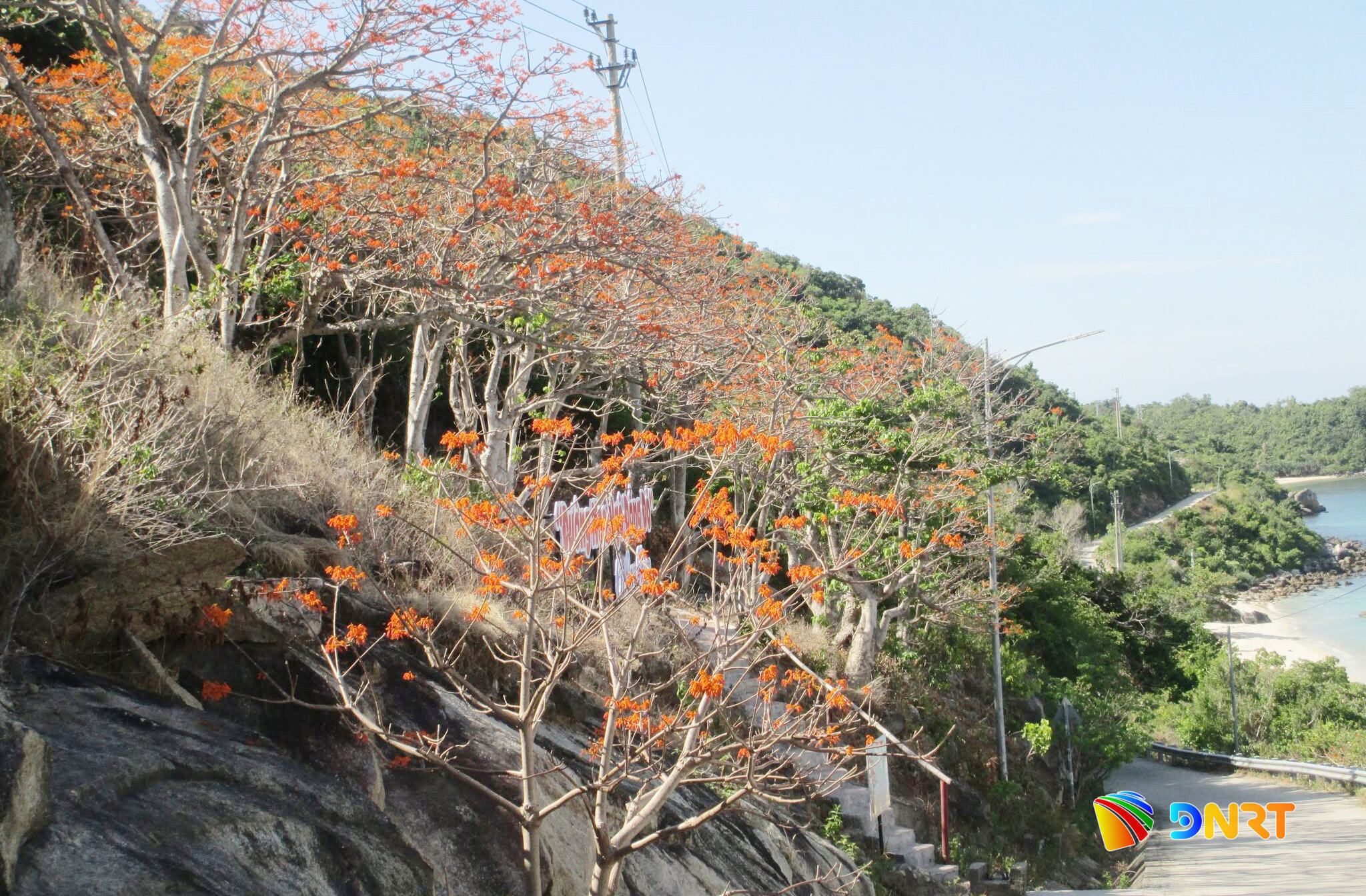
Specifically, the forest component (onshore area) covers 257.38 hectares across 12 ecotourism experience sites, including Eo Gio (59.25 hectares), Bai Bim (11.58 hectares), Cu Lao Cham (7.77 hectares), Bai Bac (3.55 hectares), the Firmiana colorata tree area (12.6 hectares), Hon Tai Island (82.02 hectares), Hon Dai Island (63.61 hectares), Huc Da Trang (3.57 hectares), the Lighthouse (7.95 hectares), Mui Dua - Hang Yen (4.83 hectares), Nui Cam (0.65 hectares) and the Heritage Banyan Tree site.
Of this, 225.7 hectares will be located within the Ecological Restoration Sub-zone, while 31.68 hectares will be in the Service and Administrative Sub-zone.
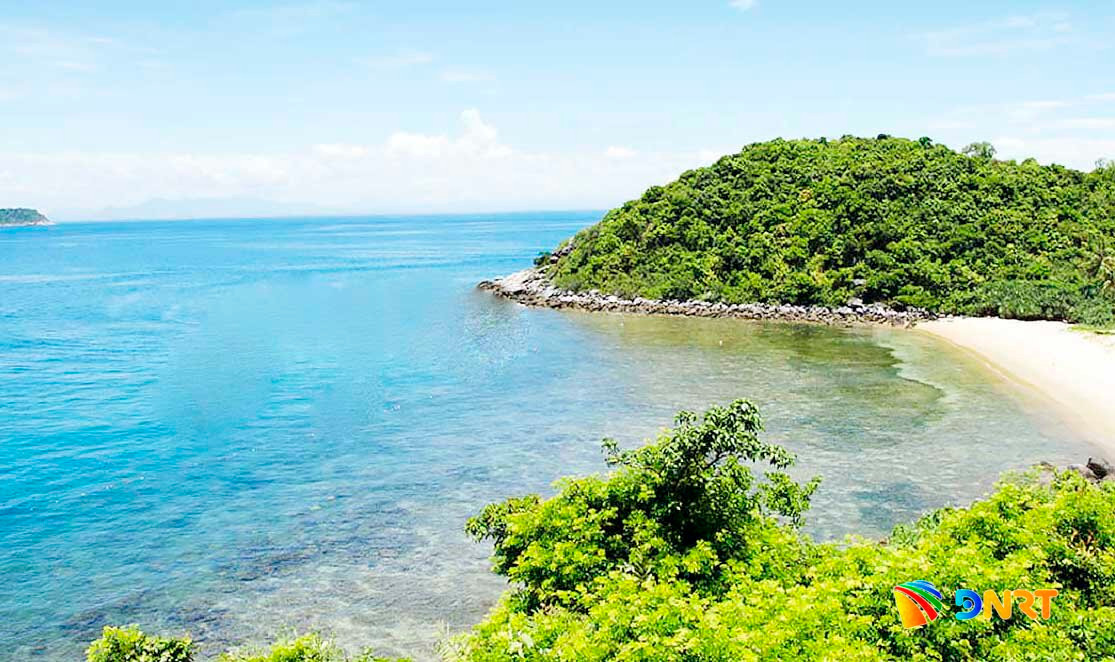
The marine component (underwater area) covers 252.37 hectares and comprises six ecotourism sites and zones: the waters surrounding Hon Dai Island (39.02 hectares); the waters surrounding Hon Tai Island (19.51 hectares); the coastal waters off Bai Xep, Bai Chong, Bai Bim and Bai Huong (100.17 hectares); the Ran Me - Bai Ong - Hon Lao marine area (8.41 hectares); the Ran Manh marine area (79.69 hectares); and the Bai Nan marine area (5.57 hectares).
The plan establishes a clear principle: no tourist sites and no resort or recreational activities. Also, forest environment leasing will be permitted in the Strict Protection Sub-zone.
Furthermore, priority will be given to low-impact eco-tourism, centered on experiential activities, nature interpretation, and environmental education. Mass tourism that could lead to the overexploitation of natural resources will be limited.
Emphasis is placed on ensuring community participation and benefit-sharing, and creating favorable conditions for residents of Tan Hiep Commune to provide tourism services and receive legitimate and transparent benefits from tourism activities.
Tourism development must go hand in hand with reinvestment in conservation. Revenue from forest environment leasing and tourism services will be managed and used in accordance with regulations.