
Gửi bình luận
DNO - On Cu Lao Cham (Cham Islands), where dense forests meet turquoise waters off Da Nang, Vietnam, a small community-based initiative is offering visitors a deeper way to experience the island, through its living culture, traditional knowledge and everyday rhythms of local life.
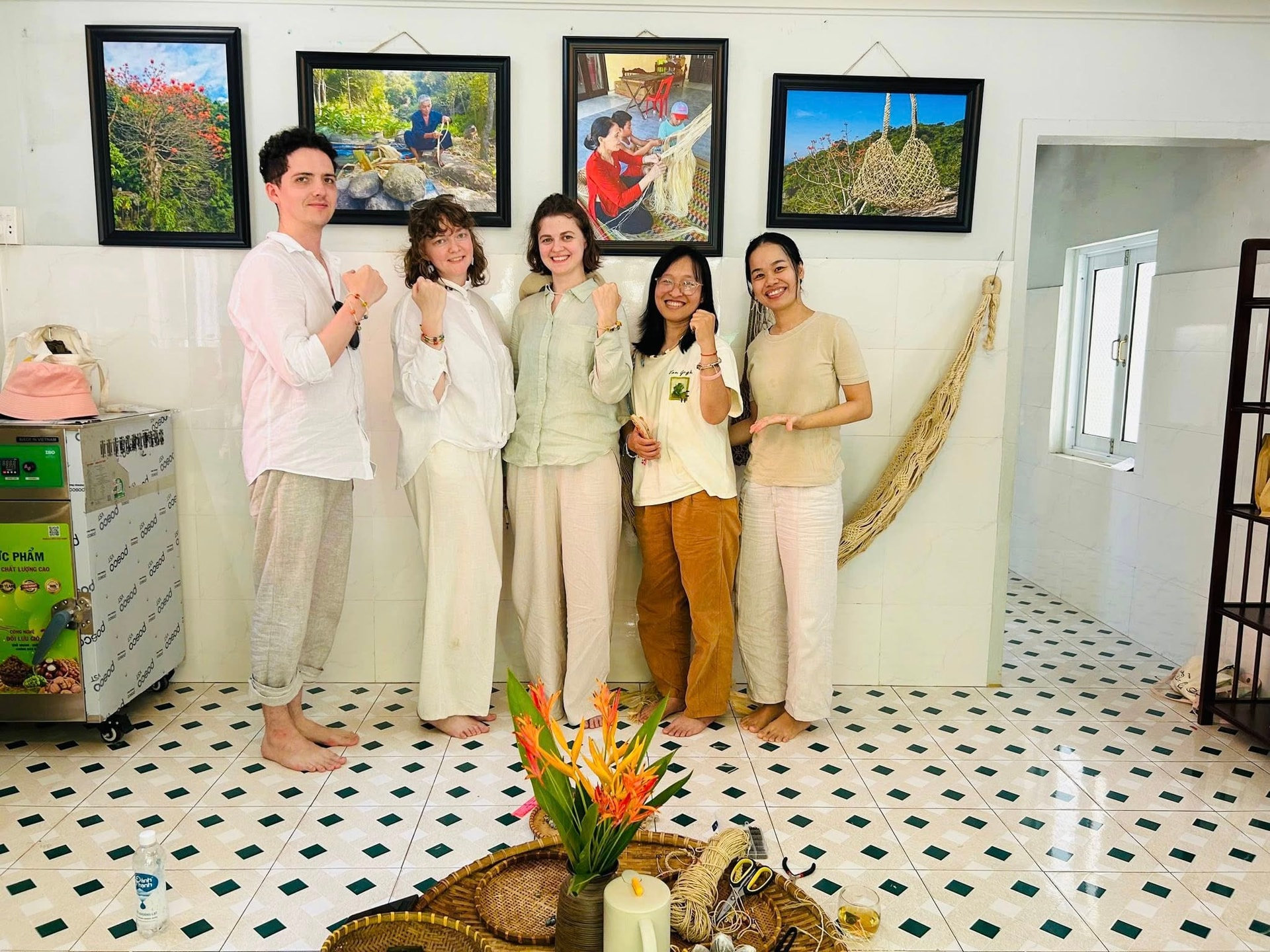
Founded by two women who were born and raised on the island, Moc Cham is a community livelihood model rooted in the belief that tourism can help preserve, rather than replace, local heritage.
Le Thi Bich Cong, 34, and Nguyen Thi Hong Thuy, 32, both residents of Tan Hiep commune, share a common aspiration to safeguard Cu Lao Cham’s cultural identity while creating sustainable income opportunities for its people.
True to its name, Moc Cham embraces simplicity. Instead of luxury or spectacle, it draws from indigenous knowledge, traditional crafts and the island’s close relationship with nature to create authentic experiences for visitors.
The initiative’s guiding principle, “Nurtured by nature, spreading local values”, shapes every activity it offers.
Moc Cham organises experiential tours closely tied to local history, culture and environmental conservation, alongside workshops that introduce traditional crafts and folk knowledge.
Each activity is designed not only to inform, but to foster emotional connection, encouraging visitors to slow down and engage meaningfully with the island and its residents.
One of the project’s most compelling stories is the revival of the traditional craft of weaving hammocks from the fibers of the fiery scarlet sterculia tree, a practice once central to island life but now rarely seen.
Through the workshop titled “Keeping the Yarn, Keeping the Craft”, local artisans share memories of the trade while guiding visitors through hands-on activities such as spinning fibers and weaving simple products.
The experience extends beyond craft-making. Participants are immersed in the sounds of “bai choi” folk songs, melodies that tell stories of fishermen’s lives, resilience and deep attachment to the sea and land.
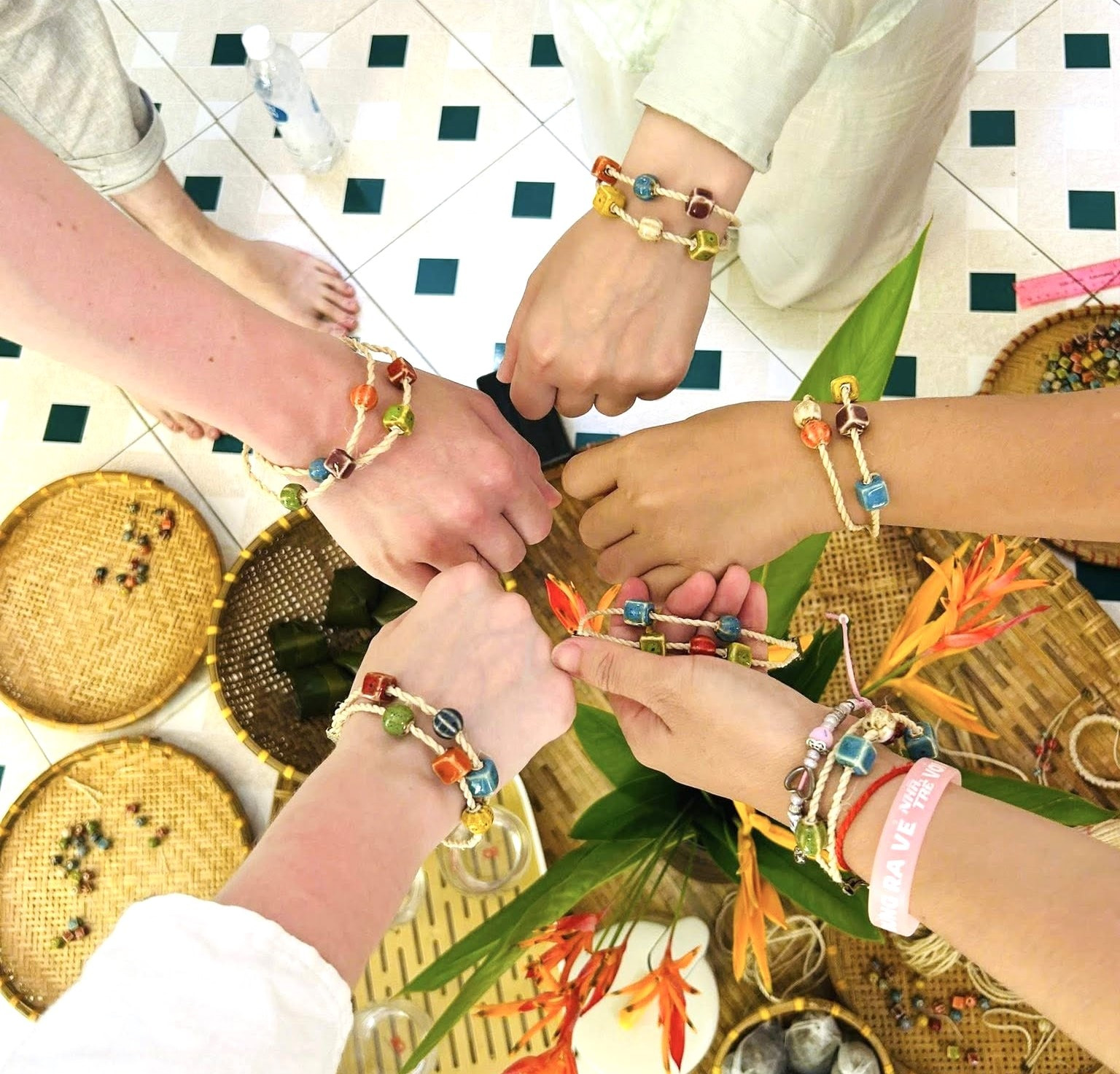
To date, more than 100 domestic and international visitors have joined over ten such workshops, turning cultural preservation into a shared, participatory journey.
Recognizing that traditional hammocks no longer fit modern lifestyles, Moc Cham has adapted by diversifying products made from fibers of fiery scarlet sterculia tree, including handbags, baskets, bracelets and decorative items. This approach allows the craft to remain relevant while honoring its origins.
Besides, Moc Cham has developed environmentally friendly products made entirely from local resources.
Among them is wild-leaf herbal tea, a daily drink passed down through generations of island residents.
Reimagined by young entrepreneurs, it has become a distinctive souvenir that blends wellness, culture and sustainability.
More than a brand, Moc Cham reflects the commitment of islanders to their homeland.
With a women-led, community-centered and sustainability-driven vision, the initiative is helping position Cu Lao Cham not only as a scenic destination, but as a place where heritage is lived, shared and carried forward-one experience at a time.