Gửi bình luận
DNO - In the context of climate change and habitat loss, conservation of the grey-shanked douc langur in Da Nang has shown positive progress through scientific and community-based efforts.
Great potential
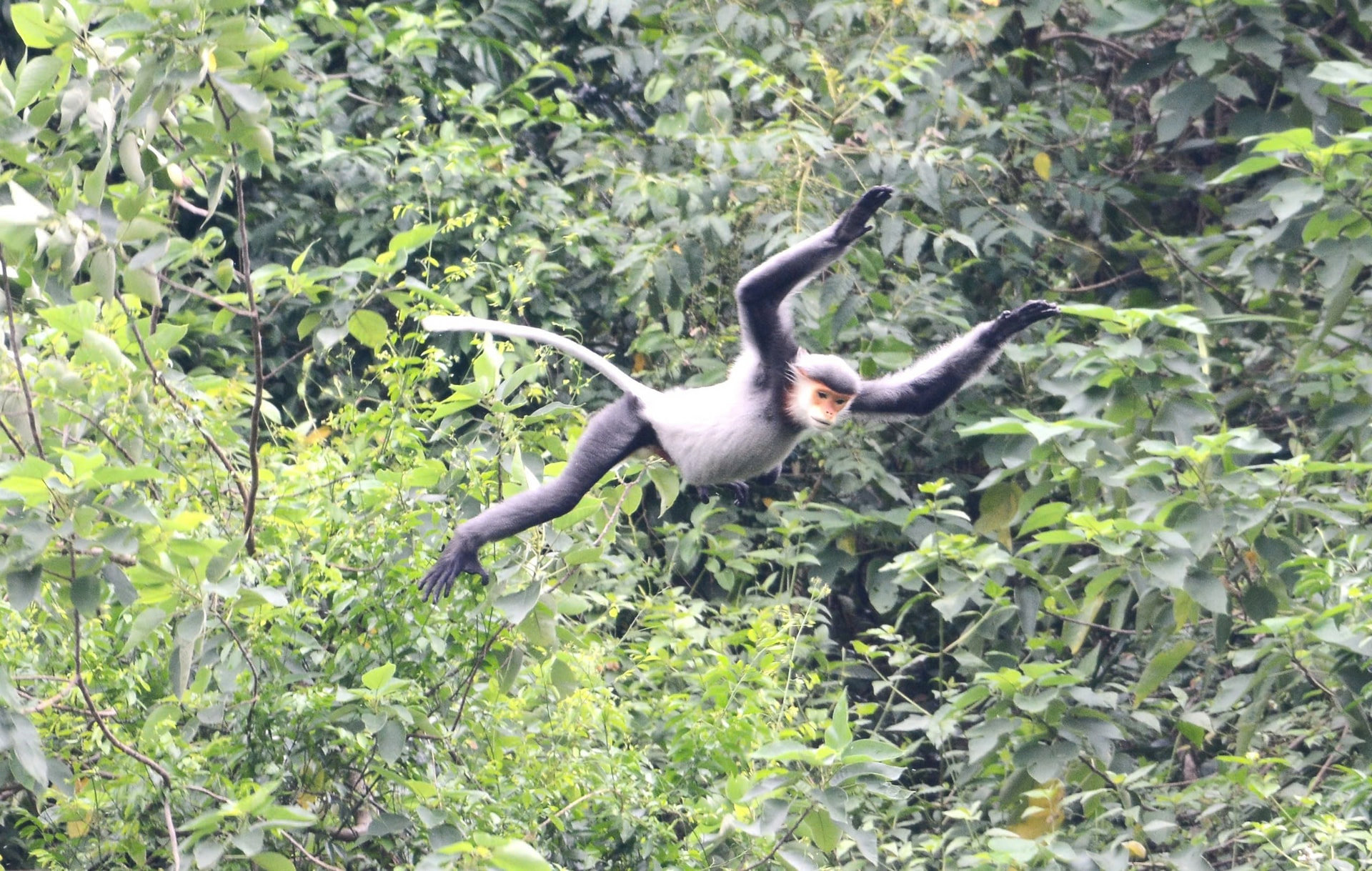
The grey-shanked douc langur is an endemic primate of Vietnam, listed as endangered with only about 1,500 - 2,000 individuals remaining in the wild. Habitat loss and human impacts continue to threaten the species.
In Tam My Commune (Da Nang City), about 75 grey-shanked douc langurs have been recorded and protected through the combined efforts of local authorities, conservation organisations, and community groups. According to local leaders, the species could become a unique eco-tourism resource supporting sustainable livelihoods.
However, conservation still faces challenges as protection largely depends on community awareness, while ecotourism remains underdeveloped. Safeguarding the langur is therefore both a biodiversity priority and a potential path for sustainable local development.
Creating sustainable livelihoods
According to Tran Huu Vy, Director of the GreenViet Biodiversity Conservation Centre, conservation of the grey-shanked douc langur has achieved encouraging results, with the population in Tam My Commune rising from 20 individuals in 2017 to 75 in 2024.
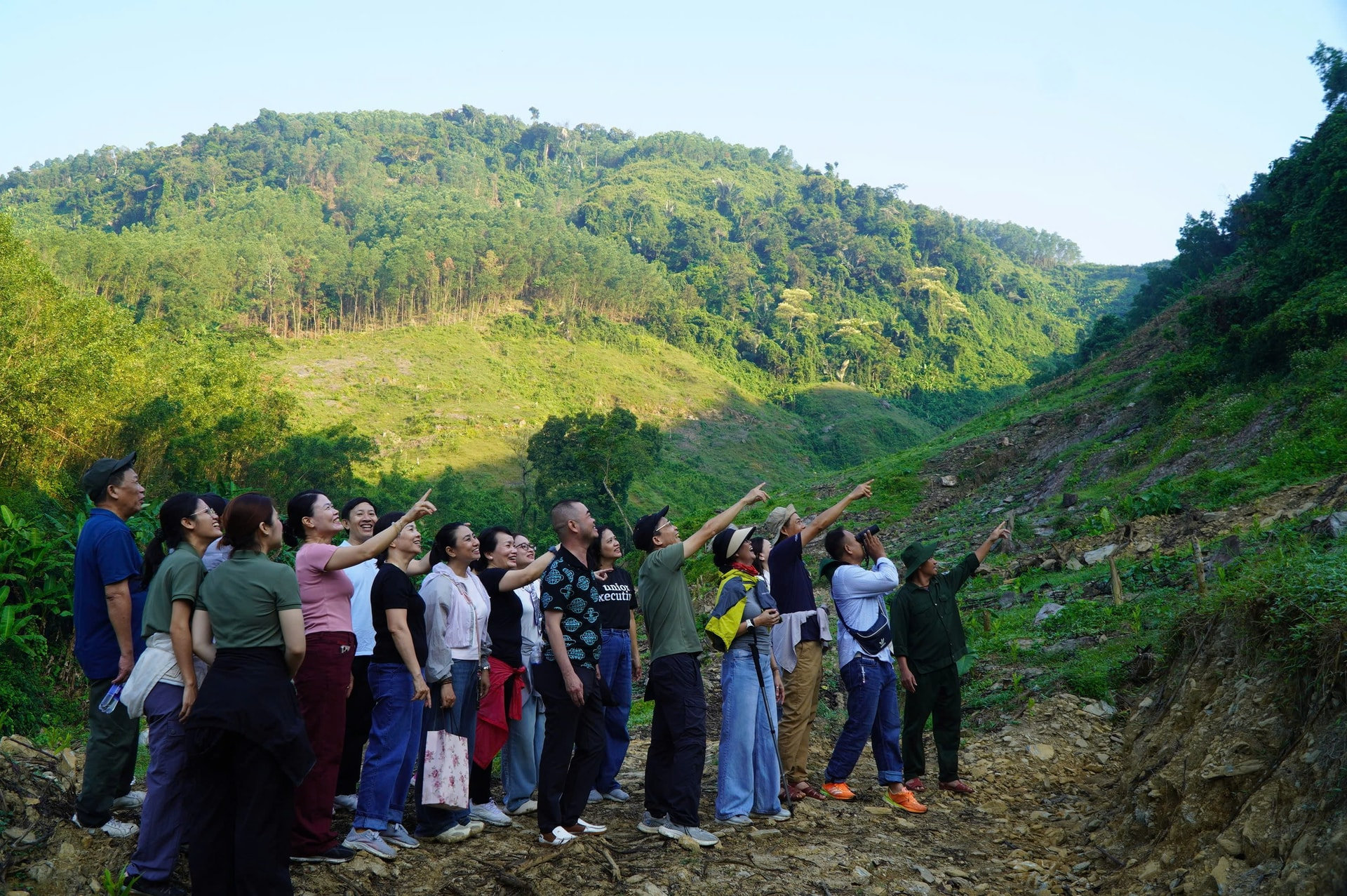
He emphasised the need to move from passive protection to science-based and sustainable solutions, including behavioural monitoring, genetic research to prevent inbreeding, habitat expansion, and restoration of native forests.
Local authorities are also promoting eco-tourism linked to conservation, such as guided forest tours and rural experiences, while strengthening protected zones and supporting community livelihoods.
Officials stress that conservation and economic development can complement each other when sustainable livelihoods encourage communities to protect forests.