
Gửi bình luận
DNO - The planned welcoming ceremony for the first international tourist group, along with the traditional “field-descending” festival in early 2026 in Hoi An Dong Ward (Da Nang City), is expected to give fresh momentum to local community-based tourism.
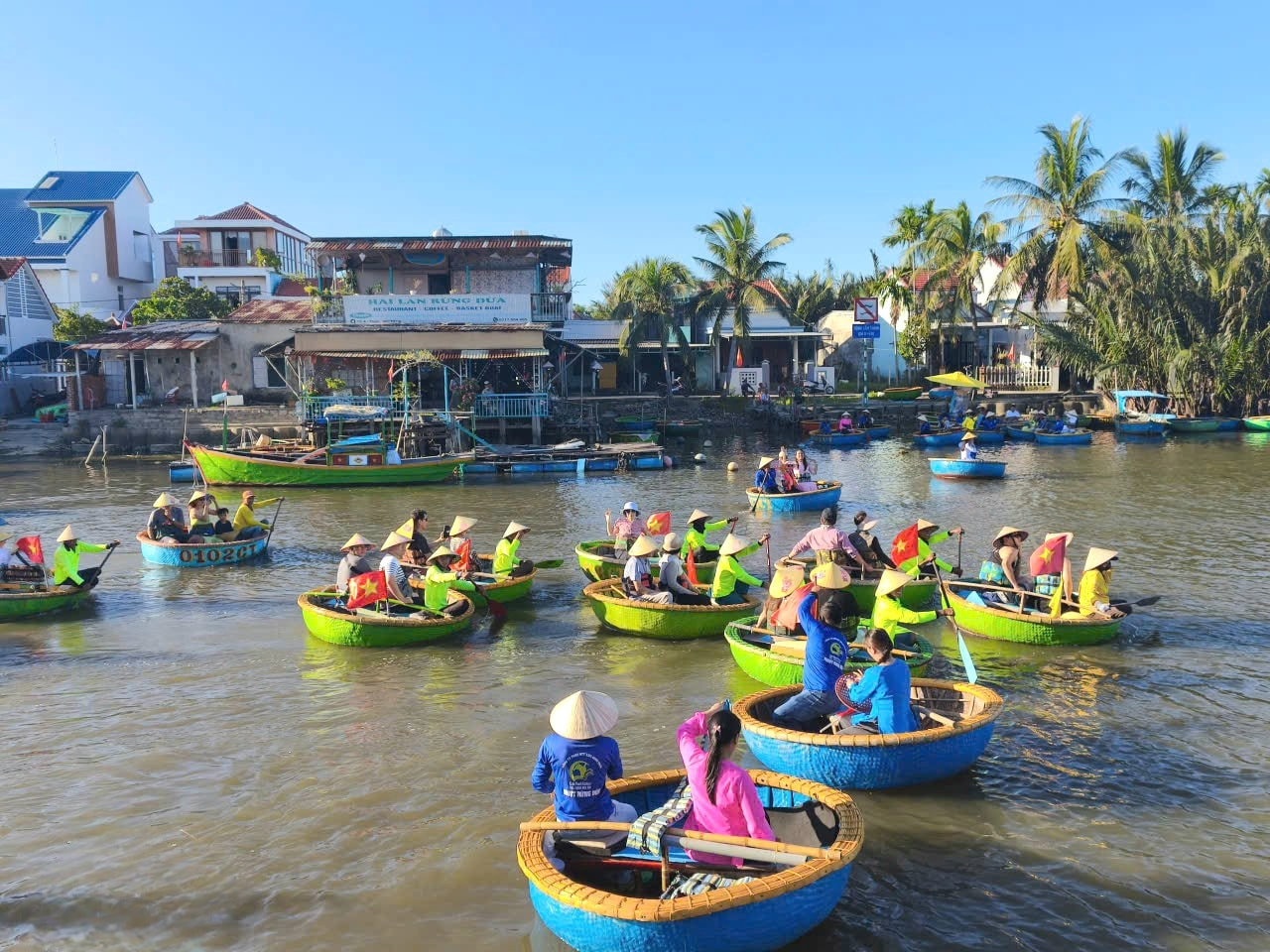
“First foot” at the Bay Mau nipa palm forest
Hoi An Dong Ward has positioned itself as a transitional area between the heritage urban zone and the ecological agricultural riverine region, with locally rooted events considered a strategic way to develop distinctive tourism products.
A ceremony welcoming the first international tourist group of 2026 from Taiwan (China) will be held on the morning of January 1 at Thanh Tam Inland Waterway Wharf, marking the opening of the new tourism year and promoting eco-community tourism at the Bay Mau nipa palm forest.
Community-based tourism is reportedly a key priority, placing local residents at the centre, regarding indigenous culture as the foundation, and the ecological environment as the core value.
In recent years, authorities have introduced tailored tourism routes, established cooperatives for coracle services and aquatic resource conservation, and put Thanh Tam Wharf into operation to support sustainable development.
Identity preservation through the field-descending festival
The 2026 Hoi An Dong Field-Descending Festival will take place on January 4 at An My vegetable village, marking the start of the winter-spring rice season.
A traditional folk practice linked to wet-rice farming, the festival has been preserved and renewed to promote cultural values while enhancing visitor experiences.
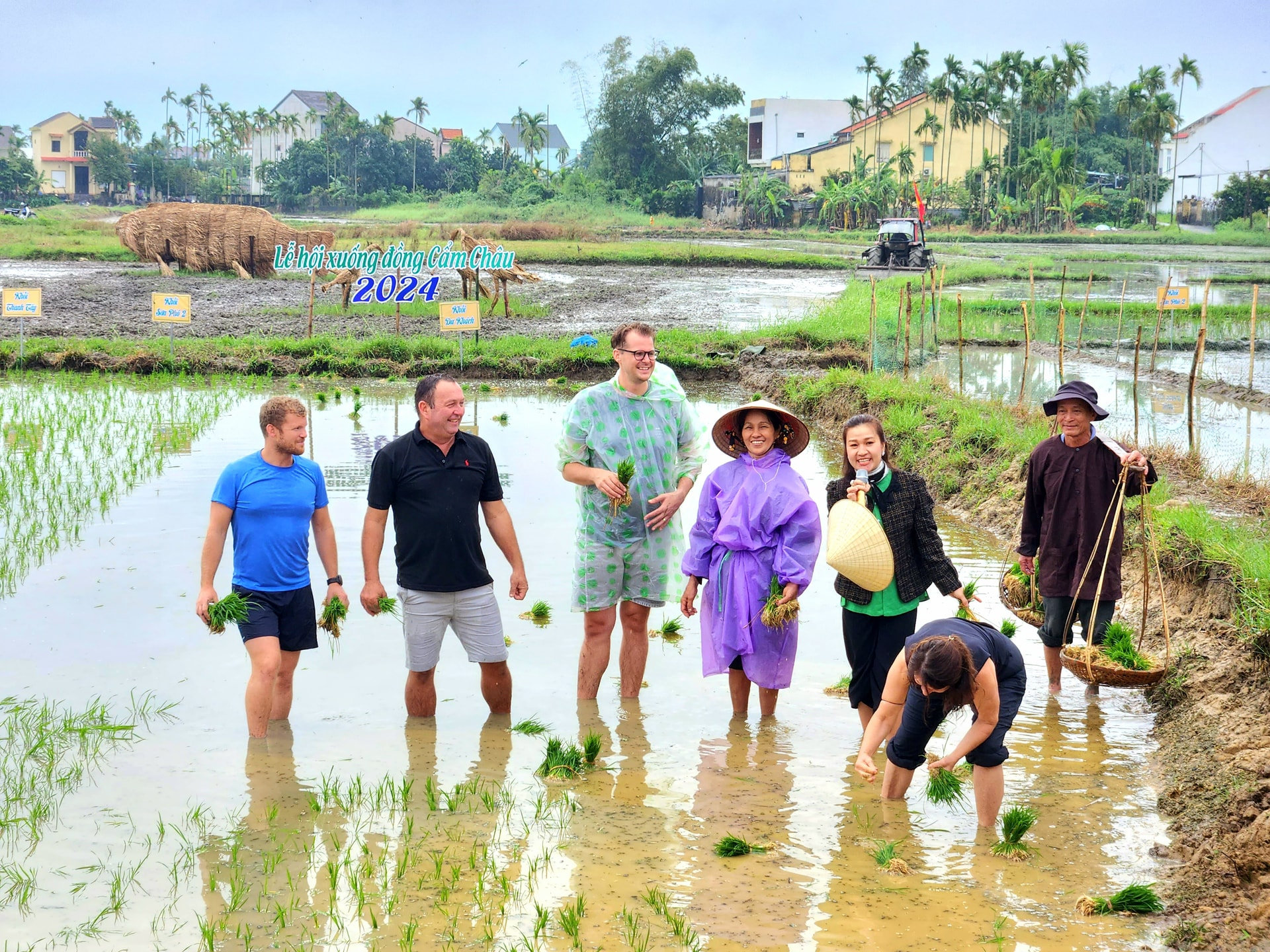
The event will feature ploughing demonstrations, rice transplanting by hand and machine, seedling pulling, and farming competitions, offering visitors insight into the rhythms of rural agricultural life in the lower Thu Bon River basin.
Beyond its cultural role, the festival is being developed as an agricultural tourism product, with hands-on activities such as ploughing, transplanting rice, catching fish, and cooking with straw-fired stoves, alongside a traditional rural market, OCOP (One Commune One Product) product displays, and local cuisine.
The festival highlights Hoi An Dong’s strengths in developing tourism linked to rice fields, vegetable villages, and rural life, an approach aligned with experiential and sustainable tourism trends. These activities demonstrate the ward’s efforts to build tourism based on local values, benefiting both cultural preservation and community livelihoods.
.jpg "Da Nang plans to host over 50 major cultural and tourism events in 2026")