Gửi bình luận
DNO - With local knowledge, respect for heritage, and well-trained digital skills, young people are bringing culture into the digital sphere, allowing traditional values to be shared, heard, and reinterpreted by today’s generation.
Naming heritage through a new language
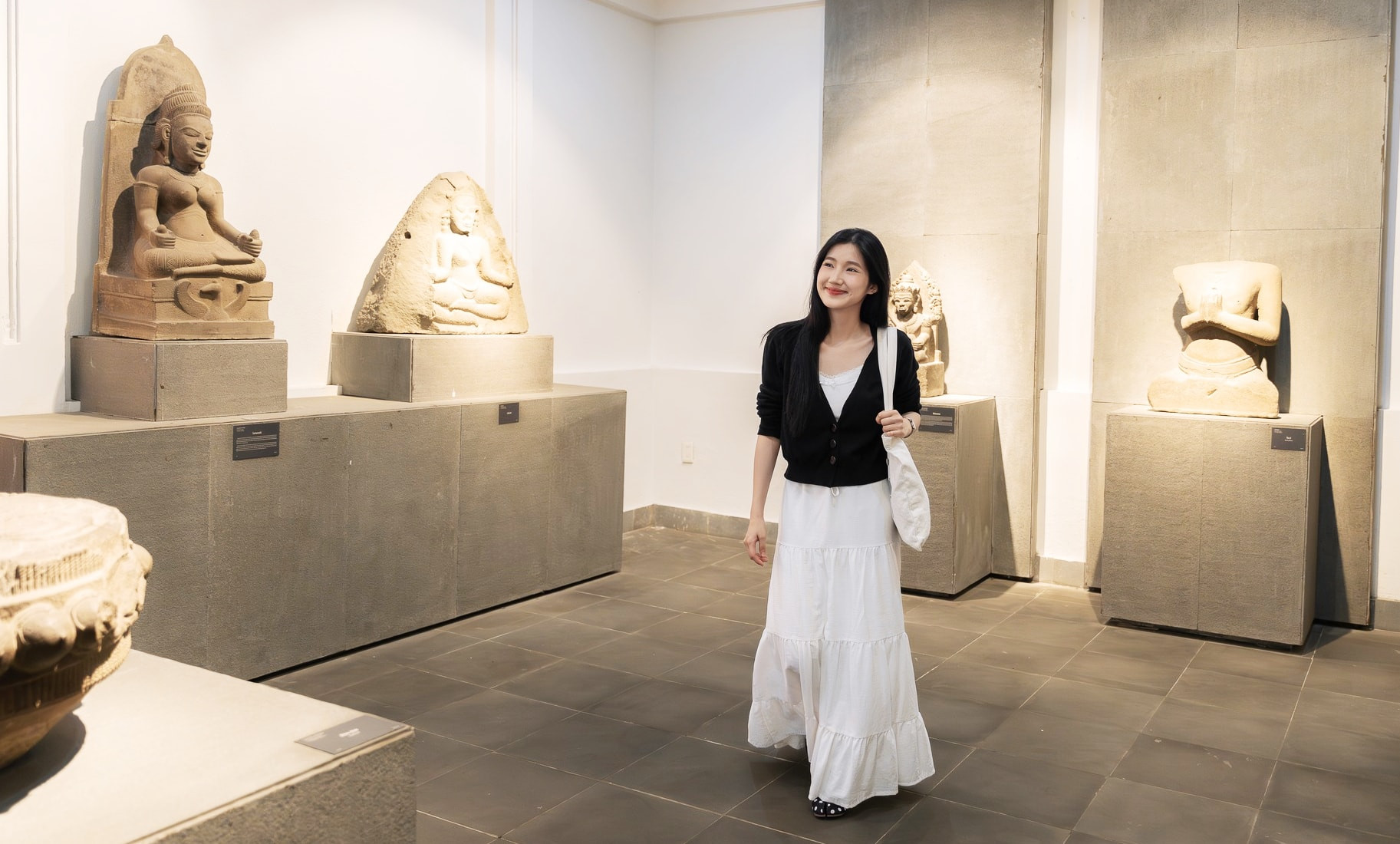
Concerned that many indigenous cultural values remain under-represented online, five Multimedia Communications students from FPT University Da Nang created "Chărm - The Charm of Cham Culture” as their graduation project.
The project aims to build a digital space where young audiences can explore Cham culture through videos, graphic design, articles, and digital storytelling. It highlights distinctive cultural elements such as performing arts, traditional costumes, architecture, and sculpture.
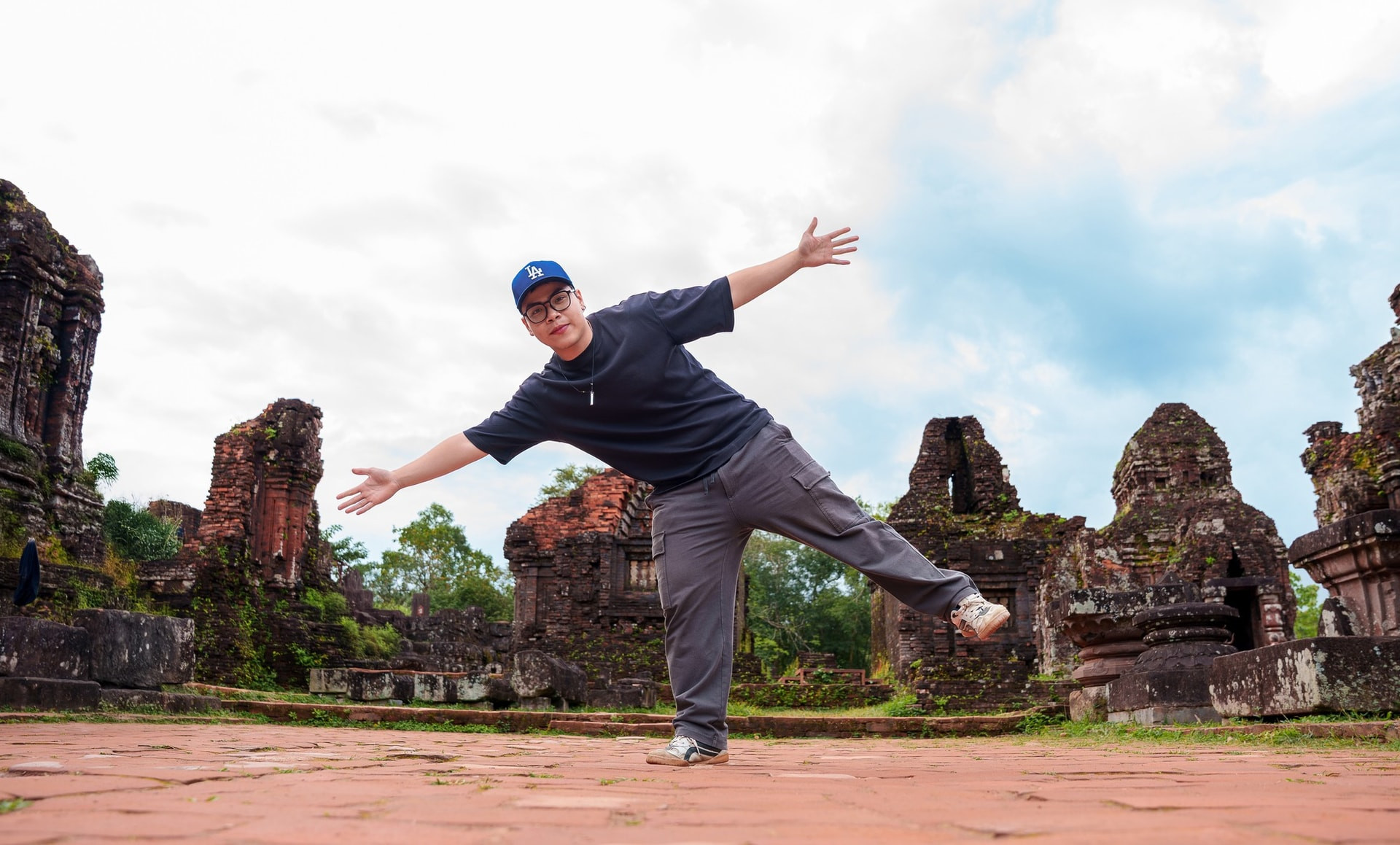
With support from the Da Nang Museum of Cham Sculpture and the My Son World Cultural Heritage Management Board, the team carefully researched and consulted experts to ensure respectful and accurate representation.
Through this digital approach, Cham culture is not only preserved in museums but can also connect with young audiences and continue to “live” in the online environment.
Letting heritage tell its story through technology
While “Chărm” focuses on digital storytelling, another student project from FPT University Da Nang, Rehistoria, uses augmented reality (AR) to transform heritage experiences.
The application allows users to explore historical sites through 3D reconstructions, characters, and interactive missions. By pointing a smartphone camera at a location, visitors can see historical spaces recreated digitally and unlock stories by completing tasks.
This project aims to overcome three barriers to heritage access: distance, dry historical presentation, and limited interaction.
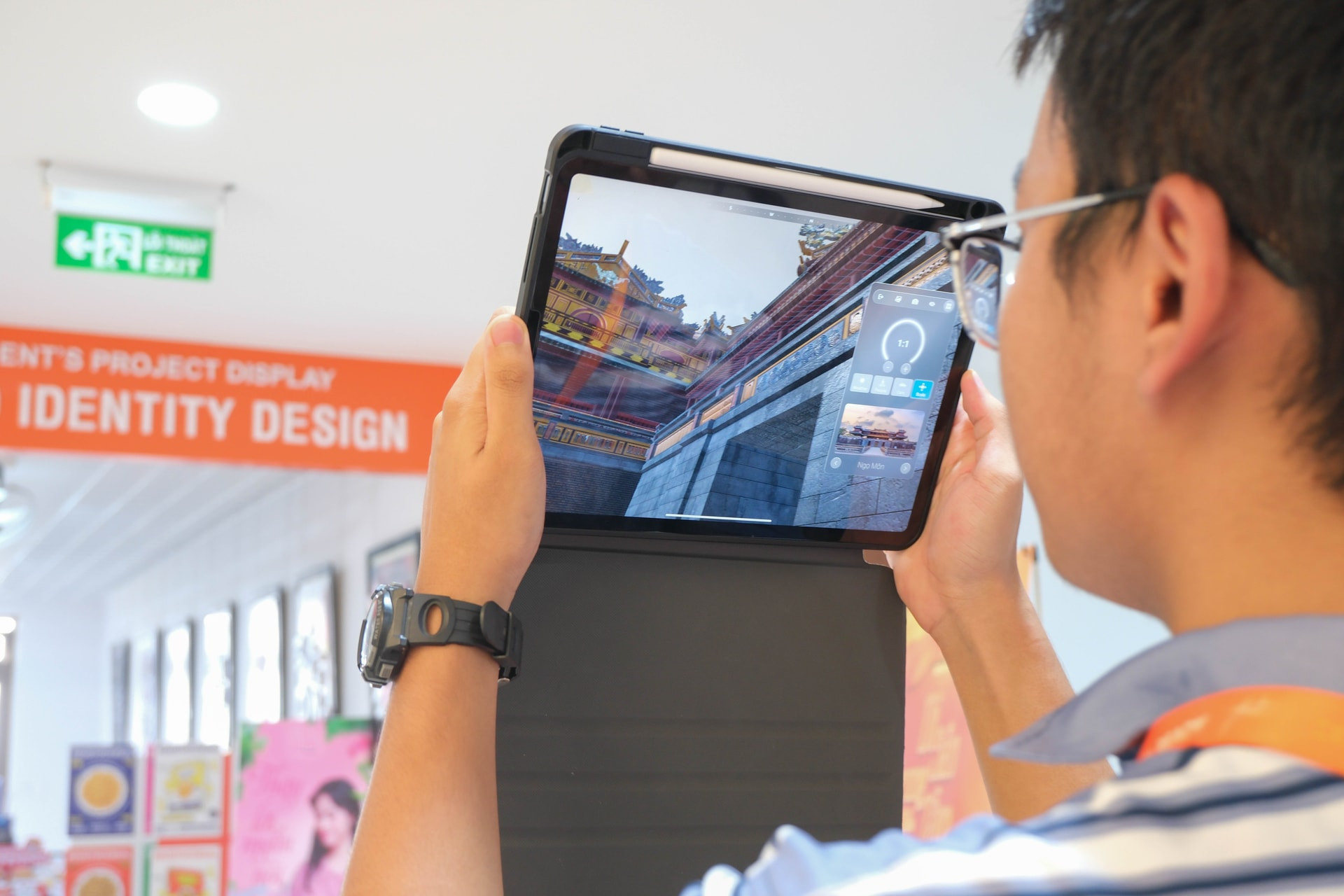
Beyond individual users, Rehistoria targets travellers, culture enthusiasts, and families seeking educational digital experiences. The project plans to develop content for sites such as Hue Imperial Citadel and My Son Sanctuary, while building partnerships with heritage sites and museums.

By combining technology and storytelling, Rehistoria seeks to create a digital heritage ecosystem where historical sites become interactive journeys rather than brief visits.