Gửi bình luận
DNO - A team of Vietnamese and Chinese students has launched a cross-border project linking Sichuan-based agricultural machinery manufacturers with customers in Vietnam, addressing demand for mechanization in mountainous areas.
Among the team members is Nguyen Thi Diem, a Vietnamese student from Dai Loc Ward, Da Nang, who plays a key role in market research, facilitating communication and connecting manufacturers with end users.
Through the initiative, she is gaining first-hand experience in international trade and helping bring practical technology solutions closer to Vietnamese farmers.
Born in 2000, Diem is studying Modern Logistics Management at Chengdu Vocational College of Agricultural Science and Technology in China.
Keen to apply her academic knowledge to real-world challenges, she joined a project named “Agricultural Machinery Goes Overseas”, which aims to connect agricultural machinery manufacturers in Sichuan with the Vietnamese market.
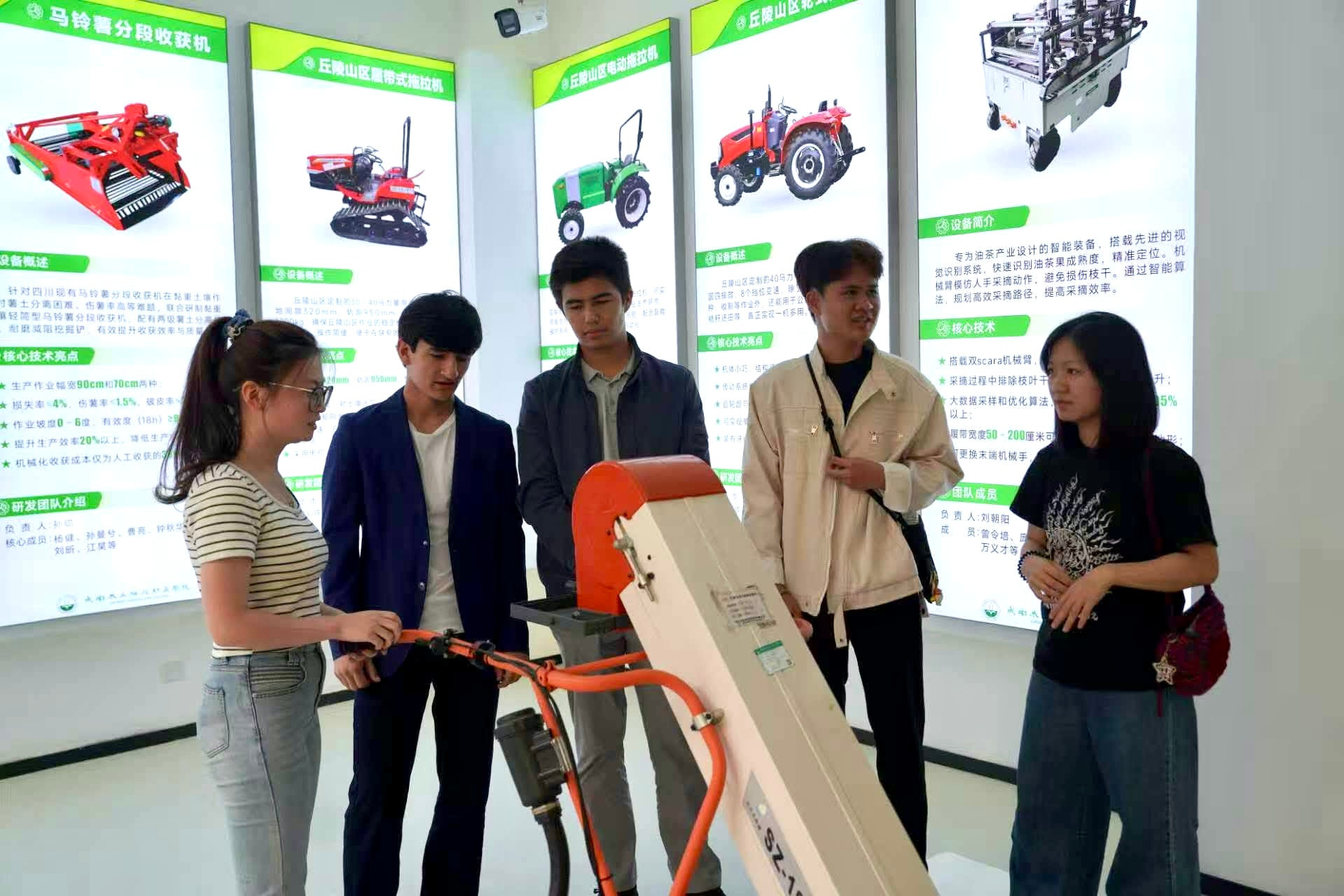
The 14-member team comprises Vietnamese international students and Chinese students, with a particular focus on researching demand for agricultural machinery in Vietnam's mountainous and hilly regions.
Through initial market research, the team identified several products with strong potential, including grass-cutting machines, pesticide sprayers, high-reach pruning equipment and small-scale agricultural dryers.
The project is therefore exploring a direct connection between manufacturers and end users and examining ways to adapt machinery to the practical requirements of Vietnamese agriculture.
Within the team, Diem is responsible for localizing market research, translating technical documents, preparing survey questionnaires, and communicating Vietnamese customers’ needs to Chinese team members and manufacturers.
Her role requires a sound understanding of both the domestic market and technical specifications to ensure that information is conveyed accurately between the two sides.
Building on its initial market research, the team has gradually refined the project through further fieldwork and engagement with businesses in both countries.
Digital platforms have also become an important part of the initiative. The team has organized online meetings between stakeholders, introduced products through virtual presentations and developed an online exhibition model.
Based on this groundwork, the project has outlined an integrated four-part service model covering product selection consultancy, equipment design and technical modifications, cross-border digital marketing, and the expansion of direct distribution channels.
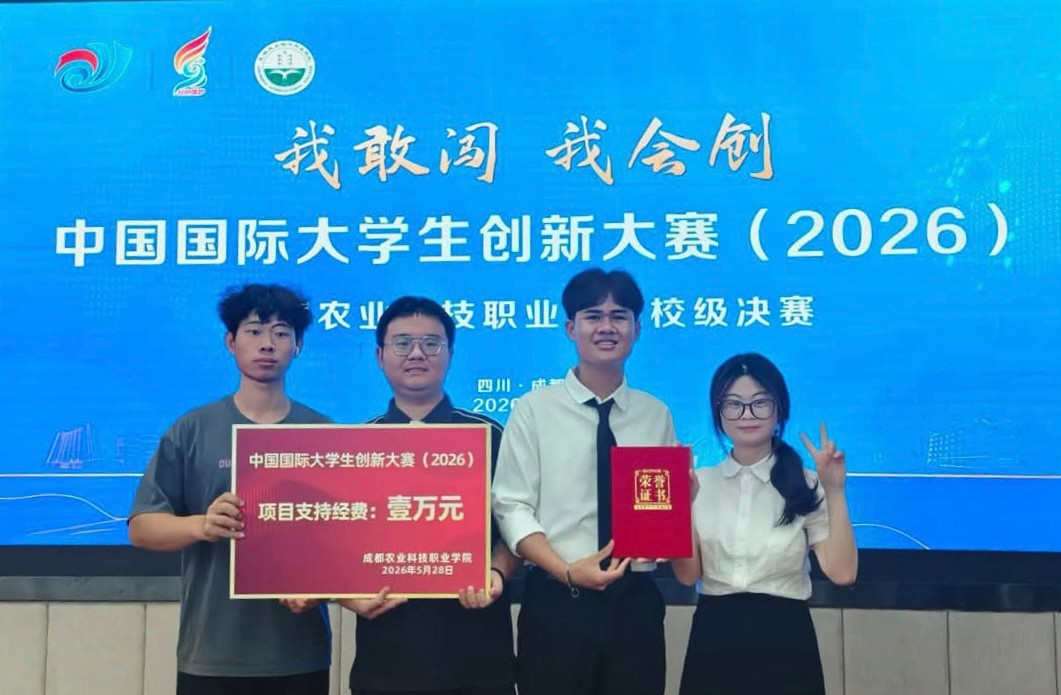
The project has already achieved encouraging results in startup competitions. On June 23, 2026, it won third prize in the university-level round of the China International Student Innovation Competition.
In the same month, the team secured first prize at the provincial-level “Challenge Cup” Student Entrepreneurship Plan Competition in Sichuan. Each competition has provided an opportunity to reassess the project’s feasibility.
While the university-level contest helped the team refine its business plan and incorporate feedback from judges, the provincial competition placed greater emphasis on implementation capacity and the model’s competitiveness.
“Taking part in these competitions has helped me realize that a startup project must address genuine customer needs rather than remain an idea on paper”, Diem said.
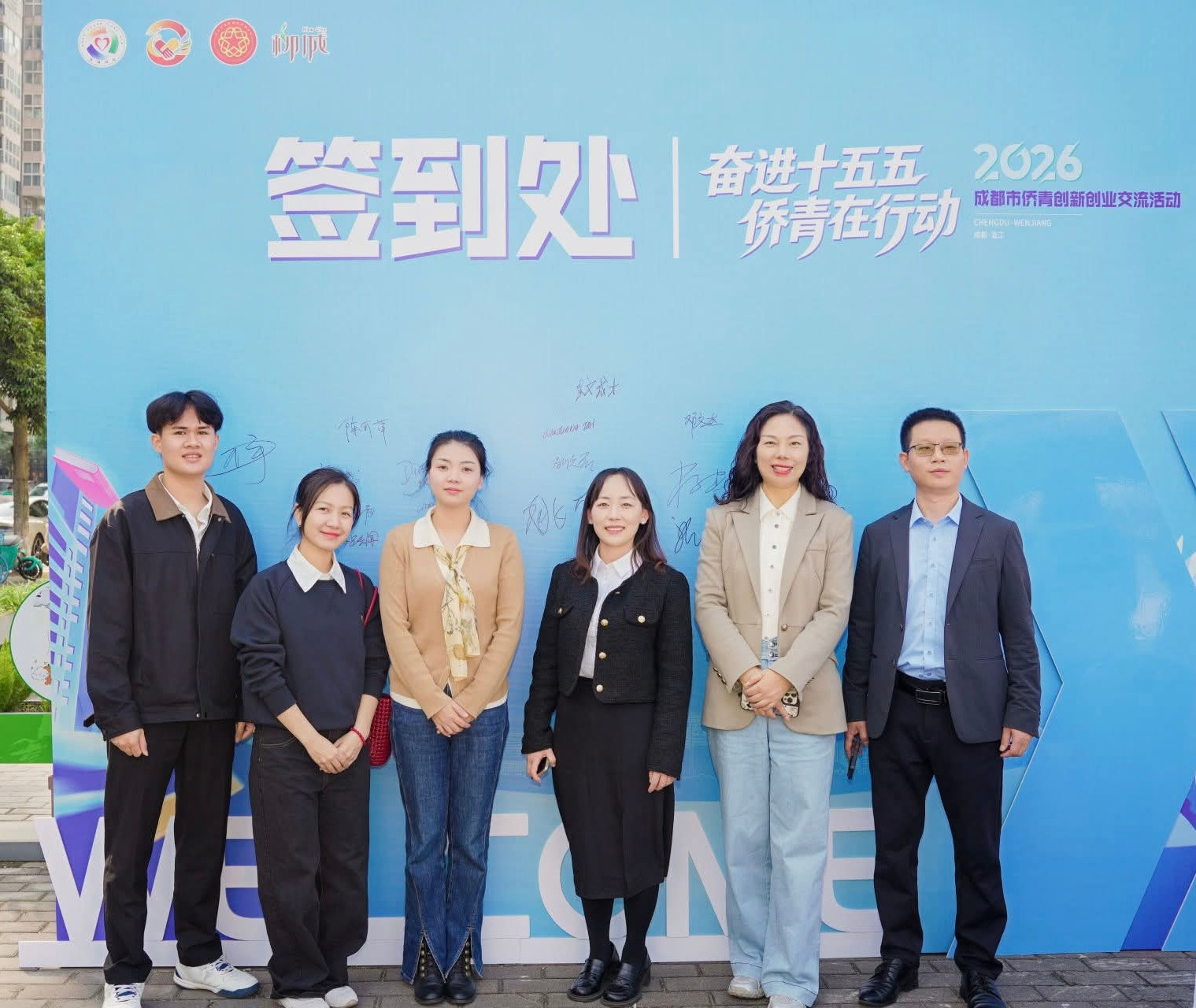
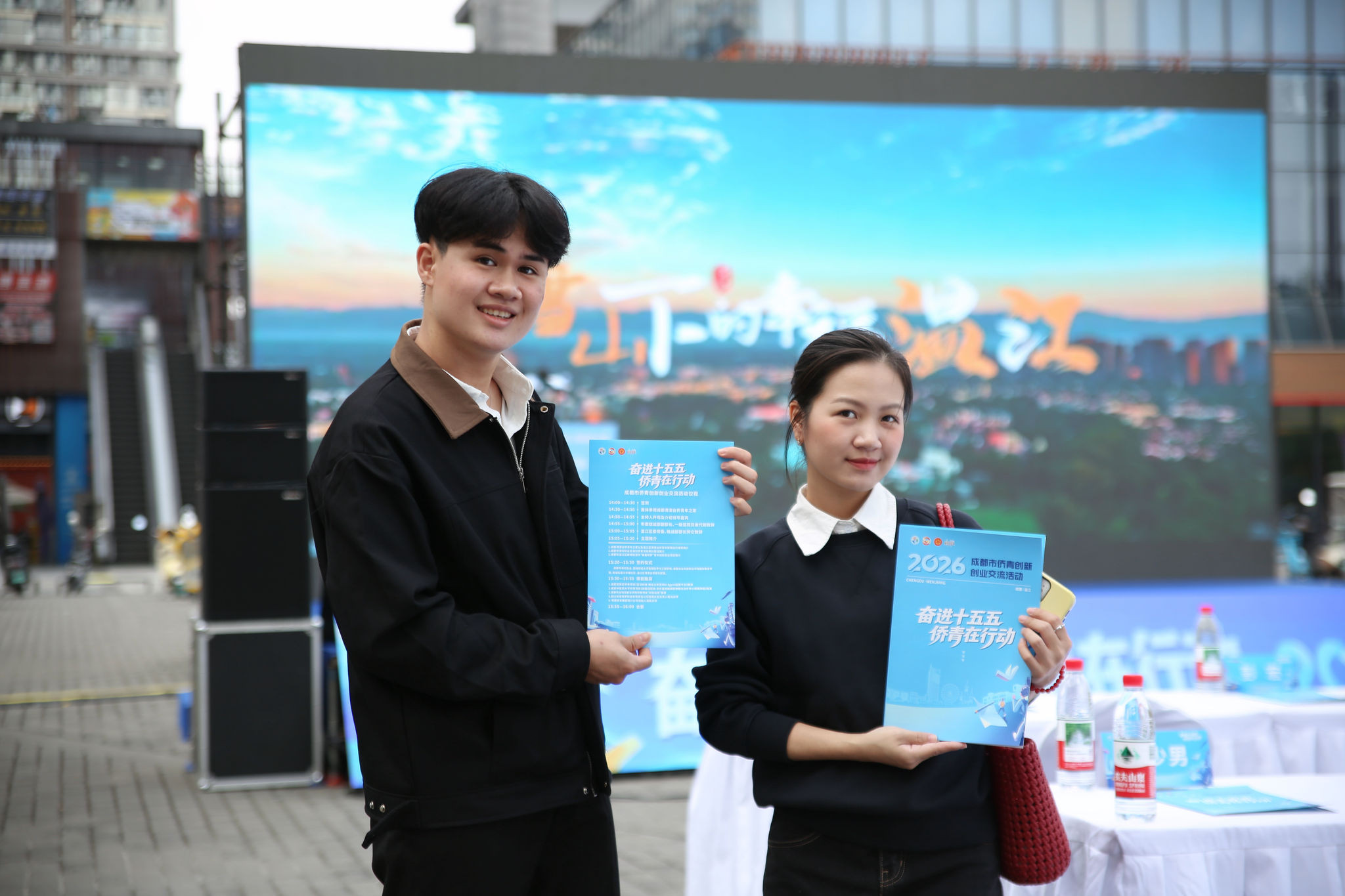
More recently, Diem and her teammates took part in an event for young Vietnamese people living in China and abroad in Chengdu. The gathering provided an opportunity to introduce their project, exchange experiences and learn from other young entrepreneurs.
For Diem, it also opened up new opportunities for networking and strengthened her commitment to the initiative. Through the project, she has been able to apply her logistics knowledge to practical matters, including supply chain management, transportation, customs clearance, and after-sales services.
Working alongside Vietnamese and Chinese teammates has also helped her develop teamwork, communication, and cross-cultural adaptability. The project is now entering its commercial pilot phase in Vietnam.
The team plans to facilitate shipments of small-scale agricultural machinery from Sichuan to Vietnamese cooperatives and finalize technical modifications, transportation arrangements, customs procedures, and after-sales support.
Vietnamese-language user manuals, equipment operation videos and a network for supplying replacement parts are also included in its implementation plans. If the model proves effective in Vietnam, the team intends to explore expansion into other ASEAN markets.