



Gửi bình luận
DNO - Hoi An continues to affirm its special appeal to international travelers thanks to the harmonious combination of history, culture, and modern experiences.
.jpg)
Most recently, The New York Times, the renowned American newspaper, has introduced the "36 Hours in Hoi An" itinerary, offering a guide to fully explore the ancient town within a short but in-depth timeframe.
The journey begins in the compact Old Town where tourists can easily get around on foot.
Often described as a "living museum", the town is home to numerous attractions such as Hoi An Market, the Museum of Trade Ceramics, the Fujian Assembly Hall, and the iconic Japanese Covered Bridge - a more than 400-year-old symbol of the ancient town.
Also, ancient houses like Duc An and Quan Thang are not only historical relics but also preserve the stories of many generations of merchants.
Cuisine stands out as a defining highlight. From fine-dining venues offering seasonal menus to traditional eateries, Hoi An delivers a diverse culinary journey.
Visitors can savor ‘Cao Lau’, a signature dish reflecting cultural convergence, or local specialties such as white rose dumplings.
.jpg)
Rooftop bars and riverside cafés overlooking the Thu Bon River provide ideal settings to experience the town’s vibrant nightlife.
Beyond its heritage, Hoi An also attracts visitors with its contemporary cultural experiences. Performances like Teh Dar at the Lune Center blend circus, dance and ethnic music, offering a fresh perspective on Central Highlands culture.
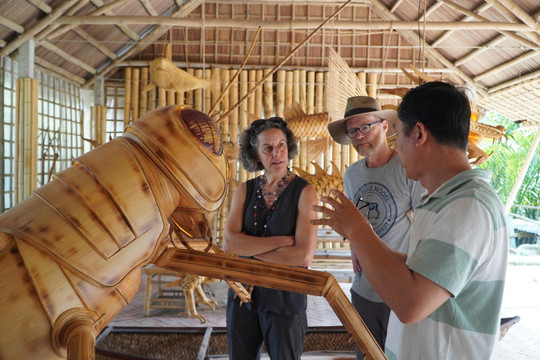
Tailoring services, handicraft shopping and visits to craft villages further enrich visitors’ understanding of local life.
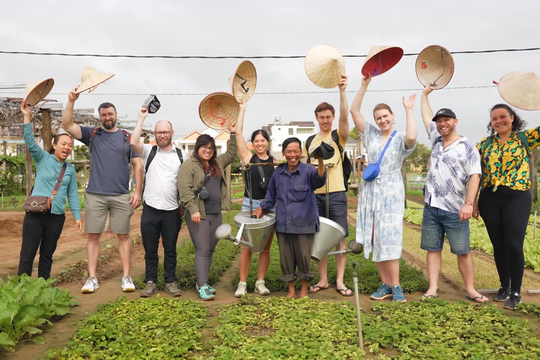
Hoi An's offerings extend to the outskirts with more relaxed experiences. In Tra Que Vegetable Village, cafés like Slow offer a tranquil space amidst the vegetable gardens, where visitors can start their day with the sound of birds and gentle breezes.
Cultural spaces like An Nhan and traditional craft workshops further enrich the experience, connecting visitors with local communities
The coastline also forms an integral part of the journey. Toward sunset, as the daytime heat subsides, visitors can immerse themselves in the sea and take in misty views between Marble Mountains and Son Tra Peninsula.
Rather than crowded beaches, the article suggests quieter spots where nature remains largely untouched.
As night falls, Hoi An reveals a distinct charm. Lantern-lit streets, the gentle river and a slow-paced rhythm create an atmosphere that is both romantic and contemplative.
.jpg)
The journey concludes with moments of stillness, such as traditional tea appreciation. In tranquil settings, tea is brewed multiple times, with evolving flavors that reflect the depth of Vietnamese tea culture and offer not just an activity, but a way to experience Hoi An at its most serene.
Hoi An’s continued presence in The New York Times goes beyond a typical destination feature. Framed in the “36 Hours” format, the article not only inspires but also almost outlines a concise and clear itinerary.
The itinerary makes it easy for international travelers to visualize where they will go, what experiences they will have, and where they will start.