
.jpg "Da Nang’s Ba Na Hills cable car listed among Asia's most scenic cable car rides")
Gửi bình luận
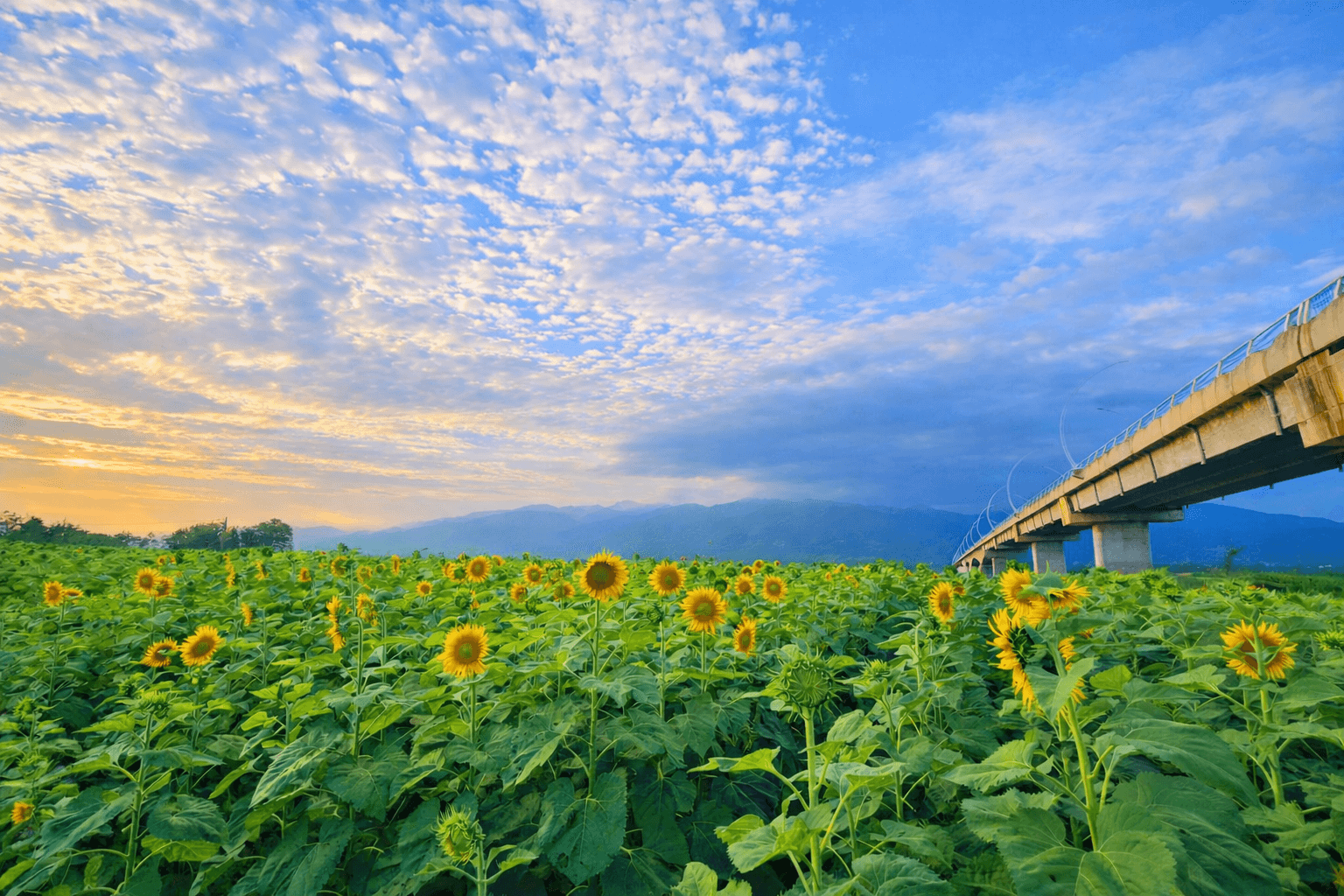
DNO - In recent weeks, impressive sunflower field near An Binh Bridge, Lam Yen Village, Vu Gia Commune, Da Nang have emerged as a captivating destination, drawing a growing number of visitors eager to explore and capture their beauty.
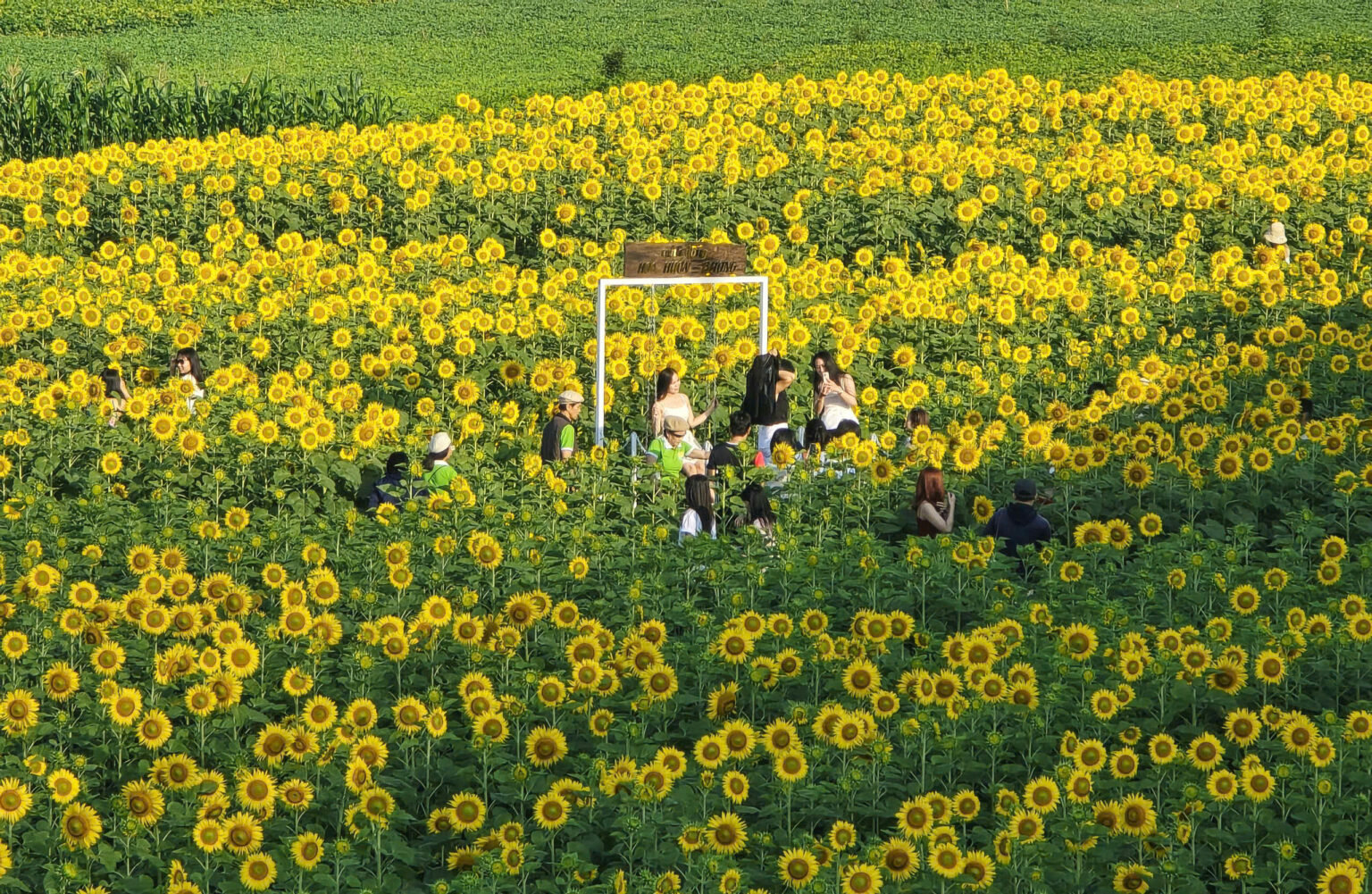
According to the Vu Gia People’s Committee, the 1.3-hectare field was established on a pilot basis to generate revenue through admission fees, enhance agricultural value and gradually develop rural tourism products in the area.
The sunflower field is now in full bloom, painting the landscape in vibrant golden hues. Visitors flock to the site to relax, stroll among the flowers, and take photographs.
To enhance the experience, organisers have installed ladders, swings, and photo-friendly platforms, attracting young women in traditional dresses seeking memorable snapshots.
With its accessible location and striking scenery, the field has quickly gone viral on social media, drawing large numbers of visitors, primarily from nearby urban centers.
Local tour operators note that domestic travelers increasingly favor destinations offering both visually appealing landscapes and culinary experiences, often seeking the perfect “check-in” moment.
Even well-established attractions now create floral or scenic installations to meet these expectations.
The trend of launching flower-based destinations is not new. Previous projects, such as sunflower fields in Go Noi Commune and Portulaca oleracea L. flower gardens at Travada Garden in Duy Nghia Commune, initially attracted significant crowds.
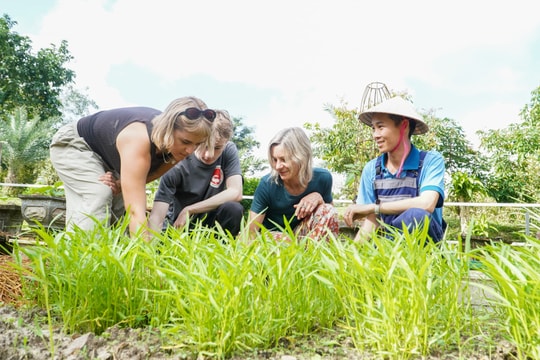
Ms Le Thi Thanh Nga, the founder of Lo Gach Cu Farmstay in Nam Phuoc Commune said, “Sustainable rural tourism is not merely a product. It requires a full experience from farm to table, telling the story of local agricultural culture, and forming the foundation for high-end experiential tours”.
Nga emphasizes that single-purpose check-in sites draw visitors only once. In order to maintain long-term interest, an agri-tourism destination must strategically position its product and craft experiences that engage visitors repeatedly.
The Lo Gach Cu Farmstay, for instance, has evolved from a single photo spot to a diverse ecosystem blending agriculture and tourism, embracing a circular economy model.
.png)
Similarly, the Tak Po, a cloud-hunting spot in Tra Tap Commune, Da Nang is developing unique experiences that celebrate local community culture.
Mr. Phan Xuan Thanh, Permanent Vice Chairman of the Da Nang Tourism Association, observes that peri-urban areas in Dien Ban, Duy Xuyen, and Dai Loc are ideal for developing organic agri-tourism with reduced carbon footprints.
However, this requires a strategic vision from local authorities, recognizing the economic value of rural tourism and establishing appropriate policies to foster sustainable growth.
As sunflower fields and floral landscapes captivate visitors, the future of rural tourism in Central Vietnam lies in experiences that go beyond the lens, offering culture, sustainability, and authentic engagement with the land and community.